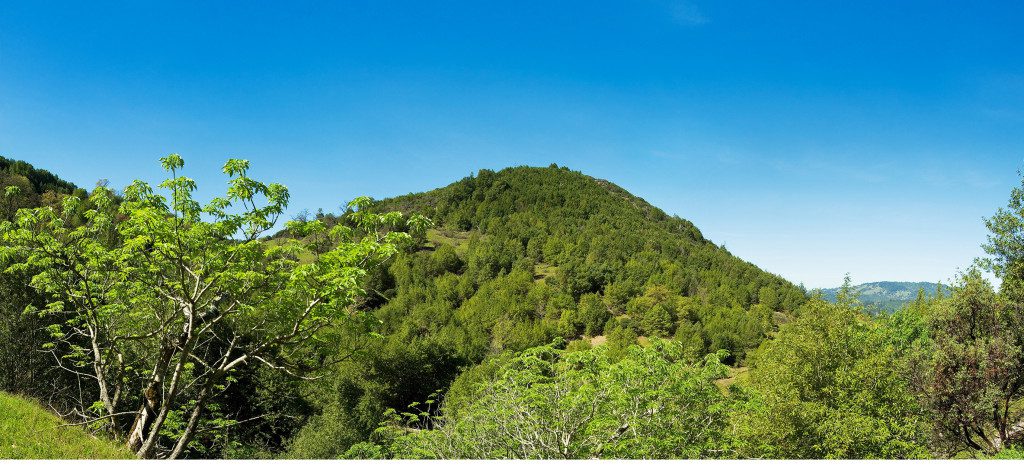
Cedars Gateway Preserve
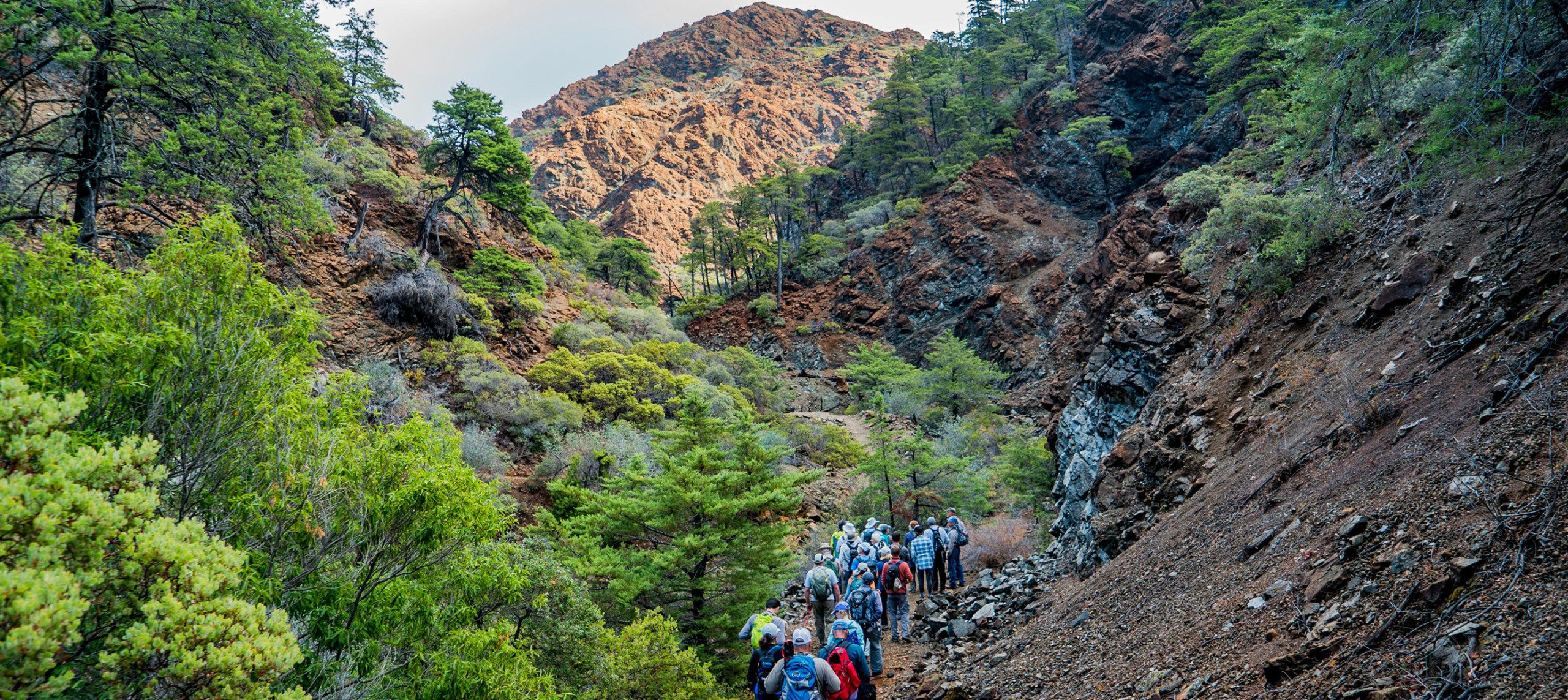
Property Type
Ecological Preserve
Acreage
40.0 acres (declared)
Region
Russian River Watershed
Date Protected
2007
Habitat
Sensitive
Access
By Permission Only
The Unknown Cedars
Conservation of The Cedars has been a priority for Sonoma Land Trust for many years. In 2007, we purchased 40 acres at the gateway to the region as part of our overall effort to create an ecological and scientific preserve there. We drafted The Cedars Conservation Plan in 2009, identifying high-priority conservation targets, and then managed several key acquisitions, permanently protecting hundreds of acres of this very sensitive landscape.
The extraordinary 500-acre main canyon of The Cedars was purchased for conservation years ago by renowned botanists Roger Raiche and David McCrory, who generously made the property available for scientific research. In 2012, Sonoma Land Trust, in collaboration with the Gordon and Betty Moore Foundation, the California Coastal Conservancy and Save the Redwoods, arranged for the purchase of the property and its transfer to the Bureau of Land Management for permanent protection, adding to the adjacent 1,500 acres the Bureau already owned.
Sonoma Land Trust has worked with many of the other private landowners in the area as well, and, in 2011, permanently protected the 160-acre Dimbat Tree Farm with a conservation easement.
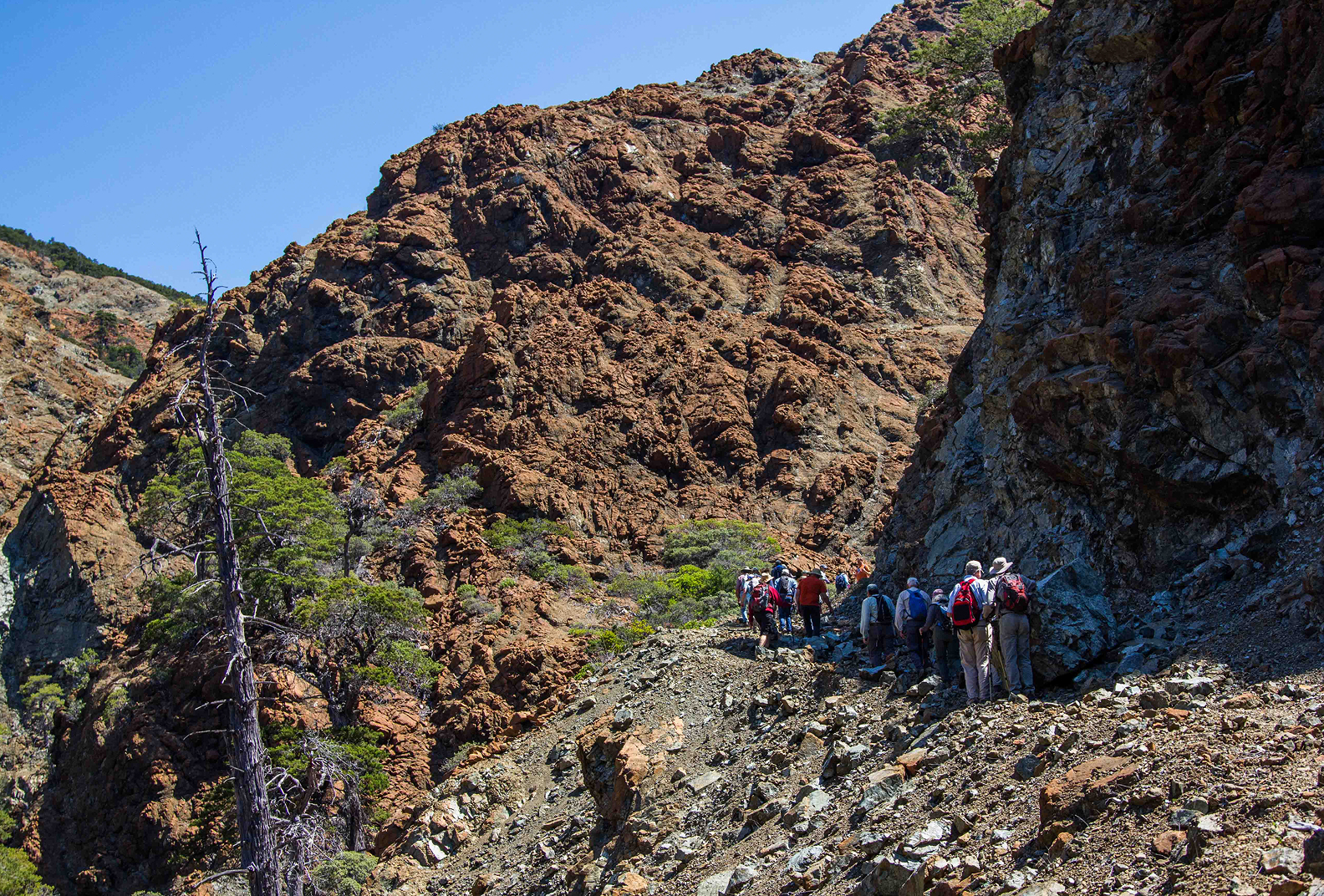
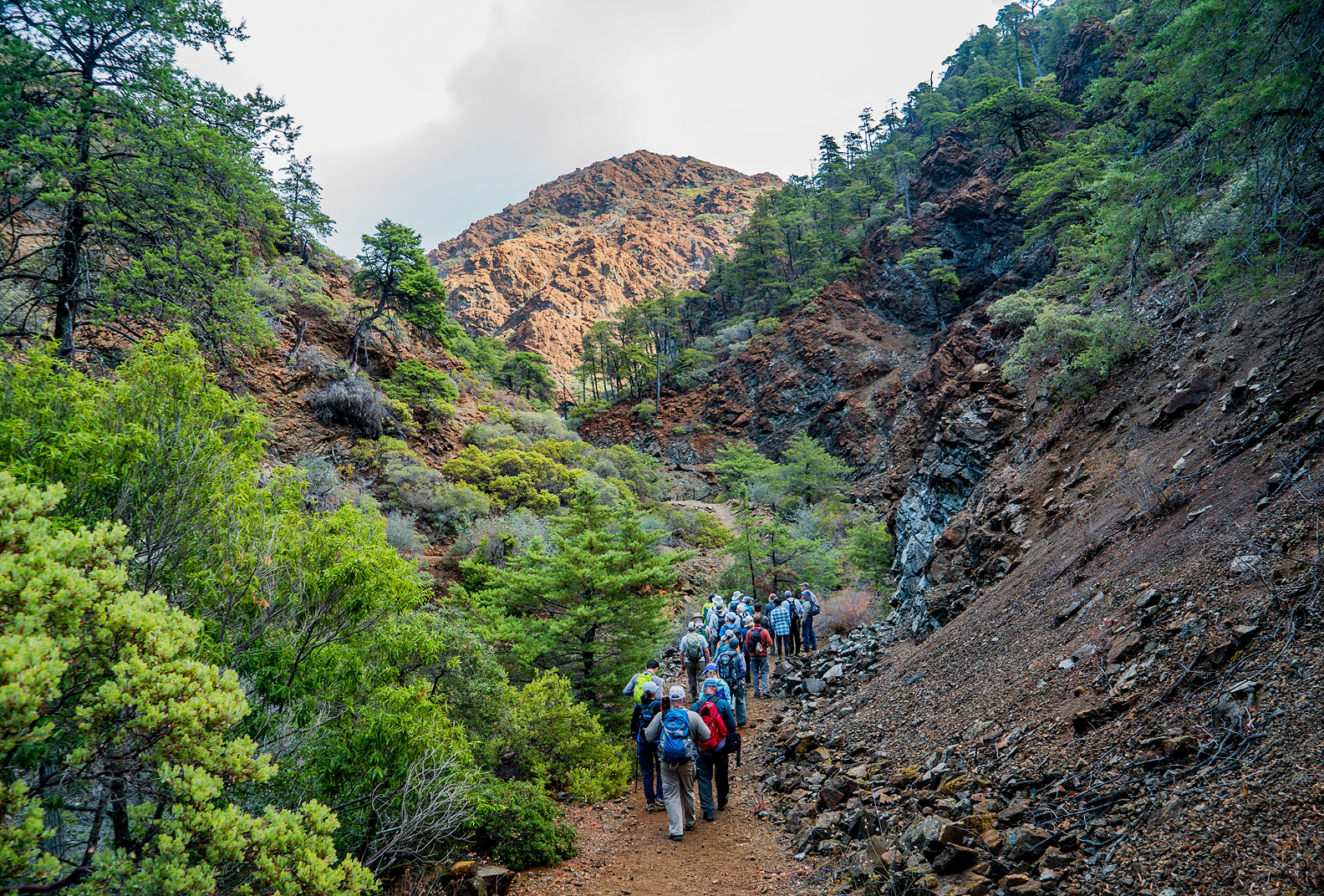
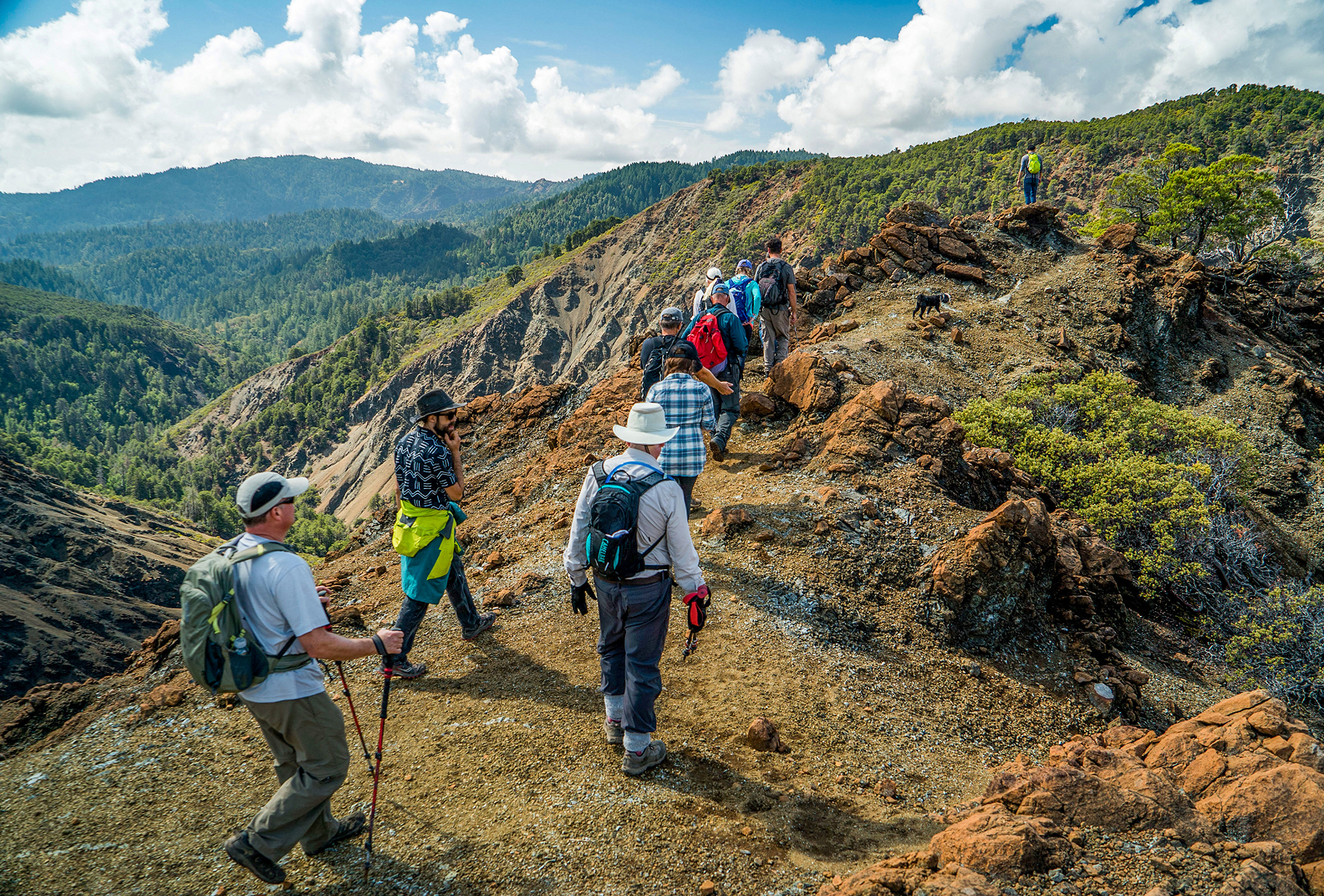
Concealed deep within the heart of Sonoma County, out of sight and hard to find, is The Cedars—a mysterious, unearthly region still known to only a few. Located north of Cazadero at the headwaters of Austin Creek, accessing The Cedars requires seven dicey creek crossings in a high clearance vehicle. But with risk comes reward, and this journey brings the sojourner to an unexpected new world—one of deep serpentine canyons, strange mineralized formations, Mars-like terrain, and rare and unusual plants.
This 11-square-mile unique geologic landscape was formed when the earth’s mantle pushed through its crust and exposed a massive area of peridotite, a giant block of igneous rock, over the course of 200 million years. This rocky, mineral-rich area with its red slopes, green serpentine rock, and exceptional mineral formations stands in stark contrast to the rolling grassland hills and oak and redwood trees that define much of Sonoma County. The name The Cedars is, oddly enough, a misnomer as there are no cedars to be found; it was likely named after Sargent’s cypresses, which are found throughout, and are often mistaken for cedars.
The Cedars is arguably the most extraordinary natural feature of Sonoma County. It has been identified by scientists around the world as one of the most unusual geological sites on the planet. The Cedars features a block of the earth’s mantle that is undergoing the metamorphic process of becoming serpentine at the surface. This is a very rare process that is occurring at a large scale at The Cedars—believed to be the largest known site in the world. This rock and the resulting serpentine soils are not kind to most plant species, so the entire area is largely barren. However, as with many harsh locations on earth, a mix of rare and endemic plant species, including at least eight that don’t exist elsewhere in the world, have taken hold here. Thus, the rare geology begets an equally rare botany.
While The Cedars is too fragile for unlimited public access, we offer periodic guided tours through our Step Into Nature program. Check our All Events & Outings page frequently for an upcoming tour. You can also contact Roger Raiche by clicking here and learn more about their research programs and guided tours.