Blog
Fire changes everything—and shows us the way
The Sonoma Valley Story: Chapter 3
On October 8, 2017, the Sonoma Valley awoke to smoke. By morning, the Nuns Fire had joined a constellation of blazes igniting across the North Bay in what would become one of the most devastating fire events in California history. Before it was over, the Nuns Fire alone had burned 56,566 acres, destroyed 1,355 structures, and claimed three lives. Communities were shattered. Two of our staff members were among the thousands displaced from their homes. The fires didn’t leave anyone in the Valley untouched.
In the days and weeks that followed, our team went back to work.
The preserves at the center of Sonoma Land Trust’s work for decades had survived, but not unscathed. Glen Oaks Ranch, Bouverie Preserve, and surrounding wildlands—places we had spent years protecting, restoring, and studying—had burned intensely. The historic barn at Glen Oaks Ranch, painstakingly restored just a few years earlier, had burned to the ground. When the fence lines went with it, our team made a deliberate choice not to put them back up. Fences restrict wildlife movement, and their absence was an improvement. But these living laboratories, these preserved landscapes, made something else unmistakably clear: they were not ready to withstand the accelerating pace of climate change. Acquiring land and monitoring easements was no longer enough. The health of the land required focused attention. Something had to change.
The partnership Sonoma Valley needed
Even before the fires, change was brewing. The Sonoma Valley’s wildlands hadn’t experienced a major fire since 1964, and decades of fuel buildup had left the landscape overstocked and ecologically out of balance. Our stewardship team had been talking with neighbors and partners about what they were seeing on the ground—the dense understories, the ladder fuels, the mounting risk. Anne Teller—wife of Otto, whose Secret Pasture donation had set us on our path 40 years earlier—was among the first voices in the region to say publicly that it was time to put good fire back on the ground.
Then, the Nuns Fire came, and change became the only way forward.
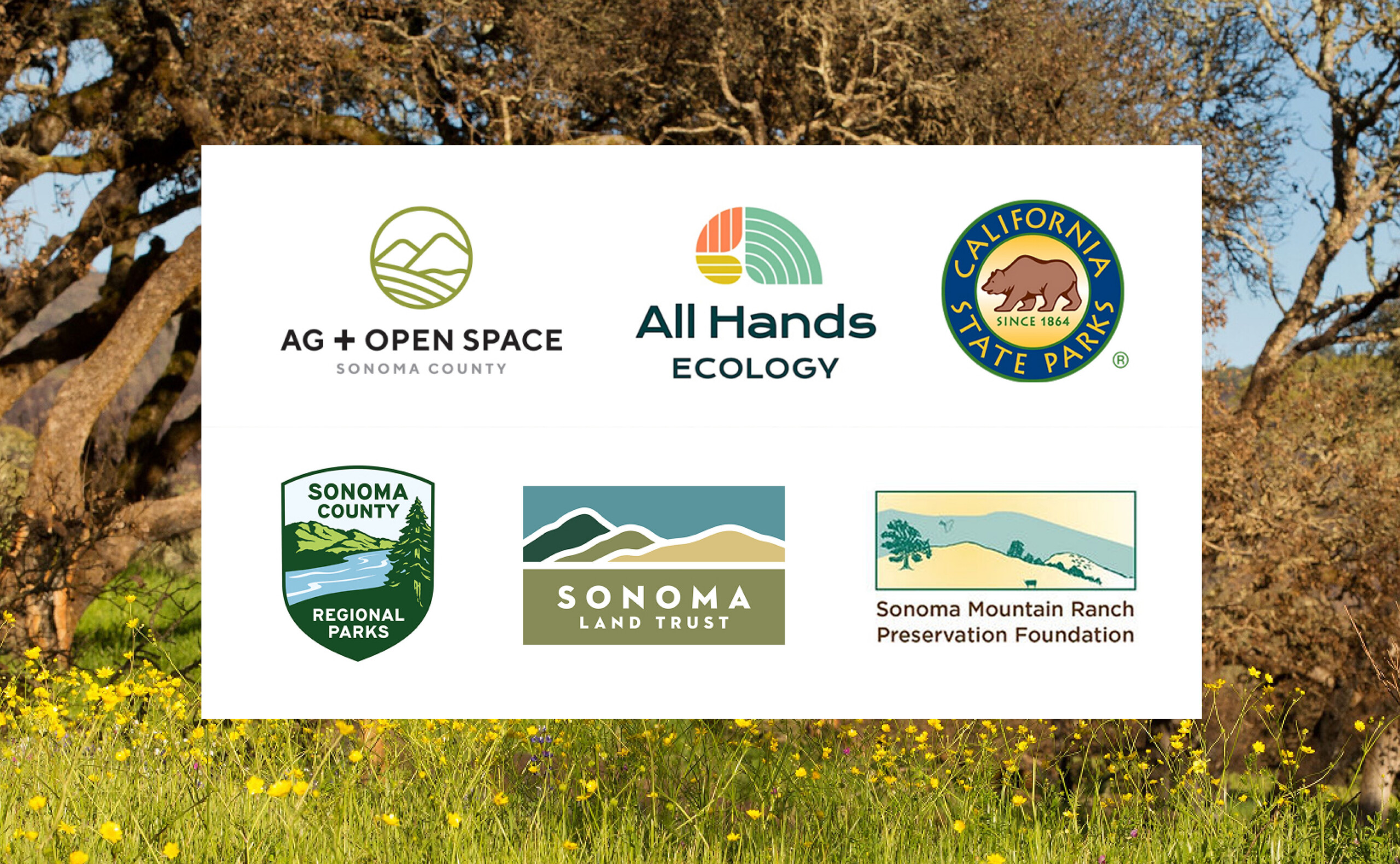
In January 2018, our Sonoma Valley Program Manager at the time Tony Nelson reached out to land managers at All Hands Ecology, California State Parks, and Sonoma County Regional Parks with the simple yet novel idea to convene and figure out what to do, together. Sonoma County Ag + Open Space and Mitsui Ranch Preserve joined the conversation, and what emerged became the Sonoma Valley Wildlands Collaborative—a first-of-its-kind public-private partnership to manage wildfire resilience across 20,000 acres of shared wildlands, regardless of property lines, jurisdictions, or organizational missions. Another Sonoma Land Trust first.
Bringing good fire back
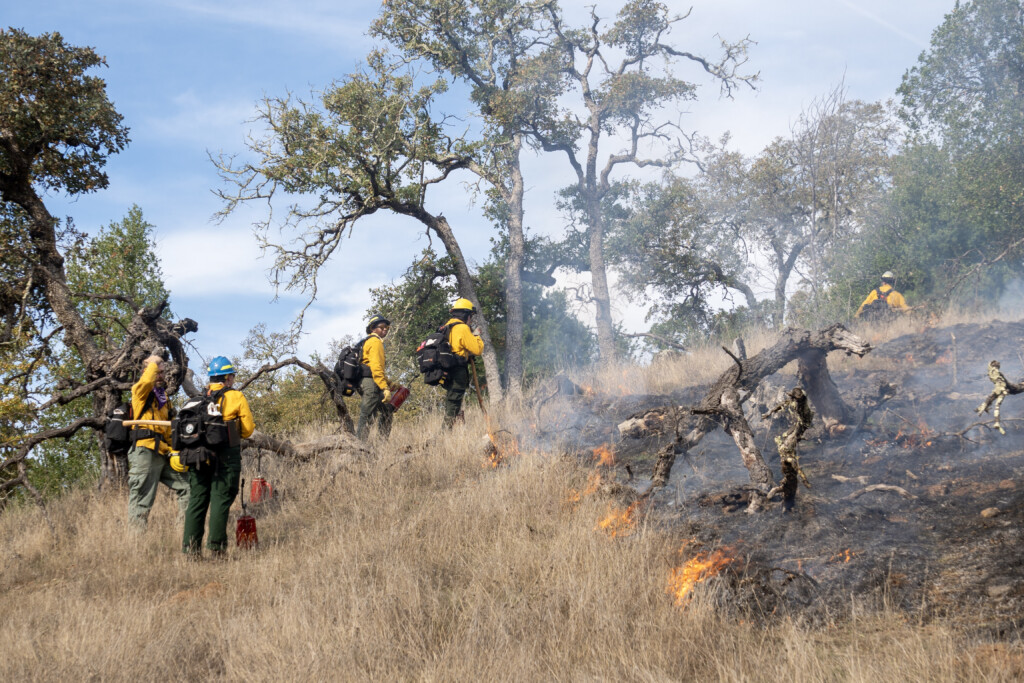
The Collaborative’s main tool was prescribed fire, and that meant learning, or more precisely, relearning. For thousands of years, the Indigenous peoples of Sonoma Valley used low-intensity fire to manage the land, sustaining healthy forests, promoting biodiversity, and preventing the catastrophic fuel buildup that makes wildfires so destructive. European colonization severed that practice, and a century of fire suppression left the landscape overgrown, stressed, and vulnerable. That knowledge was never fully erased, though. Indigenous communities continued practicing cultural burns even when doing so required fighting bureaucratic and legal barriers, and today they are leading the resurgence of prescribed fire across California, sharing knowledge, conducting burns, and helping reshape how land managers and policymakers understand fire’s essential role.
The Collaborative received its first CAL FIRE grant in 2019 and went to work, conducting prescribed burns, thinning ladder fuels, installing shaded fuel breaks, and clearing evacuation routes. Local knowledge and capacity to do this work was limited, so we hosted workshops and funded trainings, deepening partnerships and innovating as we went. To date, the Collaborative has received over $3 million in grants to build fire resilience back into 20,000 acres of wildlands.
Wildlife on the move
The fires of 2017 accelerated another reckoning. When fences burned and the landscape opened, it was a visceral reminder that wildlife doesn’t recognize property lines—and that conservation organized parcel by parcel would never be enough for species that need to move across whole landscapes to survive.
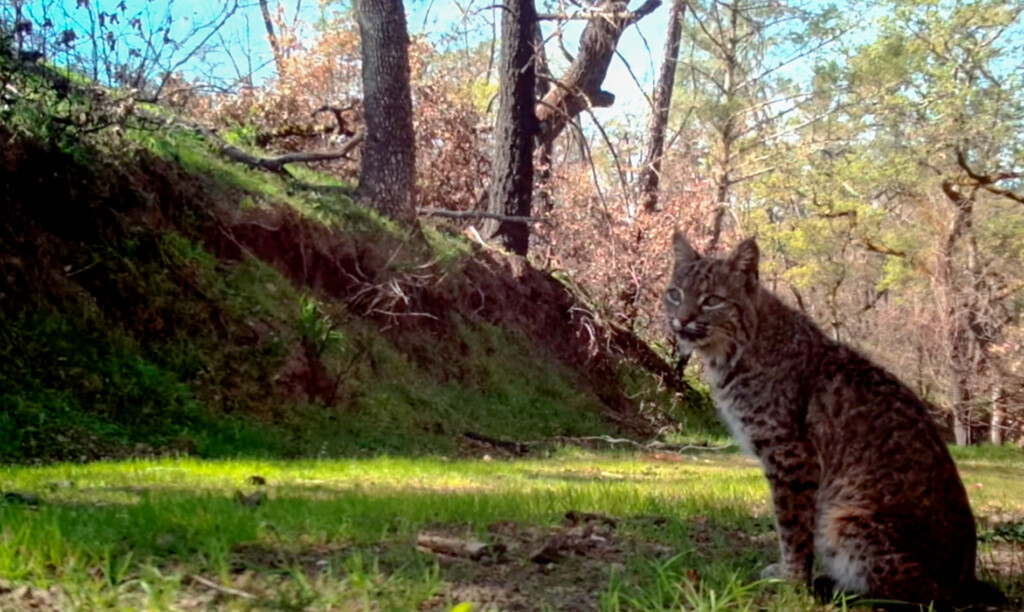
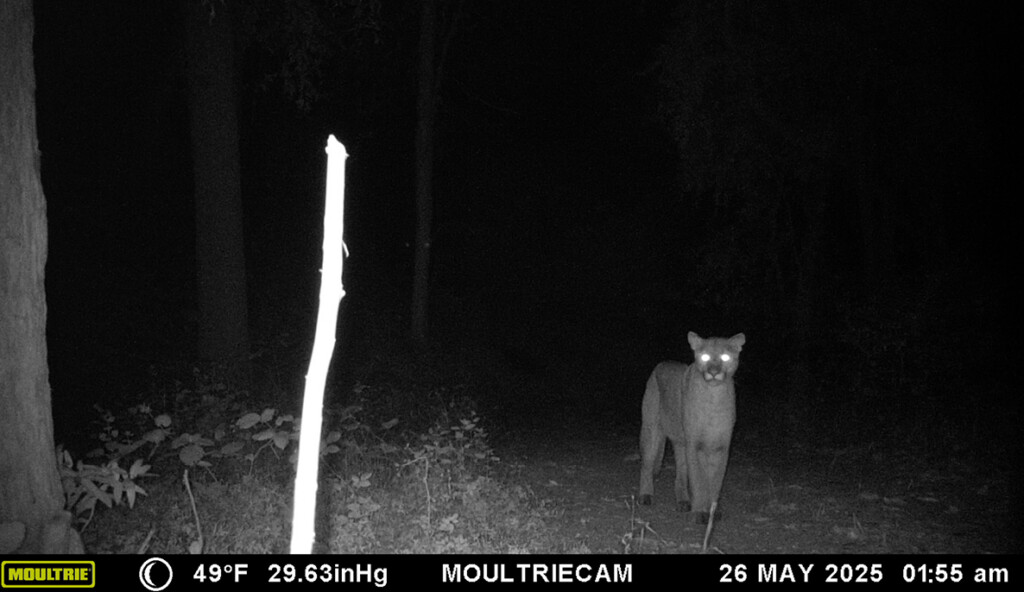
In 2013, we launched a landmark wildlife camera study—the first of its kind in the valley—revealing a surprising abundance of animals using underpasses to cross Highway 12, from bobcats and coyotes to a family of river otters. To understand what the apex predators were doing, we turned to Quinton Martins, a predator ecologist who had spent two decades tracking leopards across Africa and founded the Cape Leopard Trust before bringing his expertise to California’s mountain lions. He collared his first cat—P1—on our Glen Oaks Ranch Preserve. What his tracking data revealed, paired with our camera study, was something we hadn’t been able to see before: the path of the puma, and through it, a more complete picture of how dozens of species were moving through the Sonoma Valley, from the Mayacamas to Snow Mountain across Sonoma, Napa, and Marin counties. You may remember this story from the Spring 2018 issue of Bay Nature.
In 2013, we launched a landmark wildlife camera study—the first of its kind in the valley—revealing a surprising abundance of animals using underpasses to cross Highway 12, from bobcats and coyotes to a family of river otters.
The next chapter
As pressure from development rises and climate change forces species to shift their ranges, the freedom to move across connected landscapes is ever more crucial. The California Department of Fish and Wildlife has identified the 13 miles of Highway 12 through Sonoma Valley[1] as a significant barrier to wildlife movement, and we are now deep in a new phase of hands-on research along that stretch. Our current project has deployed a network of 30-plus cameras tracking where animals cross the road, roadkill surveys to determine where wildlife-vehicle collisions are occurring, and will make recommendations for what infrastructure fixes are priorities to help animals get to where they’re trying to go. Caltrans, now a proactive partner in wildlife connectivity, will use those findings to shape real decisions about crossings and road design. The question is no longer whether to prioritize landscape connectivity, but how and where.
At the heart of this work stands the Sonoma Developmental Center, the last large undeveloped property in the Sonoma Valley wildlife corridor, home to mountain lions, western pond turtles, coyotes, and endangered freshwater shrimp (Syncaris pacifica). When it closed in January 2019, its future was far from certain. For over a decade, we have worked with conservation partners to conduct and share rigorous, science-based research demonstrating how excessive redevelopment at SDC would permanently harm local biodiversity and the corridor as a whole. In 2024, 650 acres were transferred to state parks, including the historic orchard and Camp Via. Now, the work continues as a new development proposal calls for nearly 1,000 homes and significant commercial development on the remaining campus, and we are actively engaged in the next round of environmental review to ensure the wildlife pathways that cross this land remain protected.
Lands protected in Sonoma Valley exist in a patchwork of private and public places, which is a challenging landscape not only for animals on the move, but for the people trying to steward it. But this is familiar territory. In 1976, the neighbors who founded Sonoma Land Trust were innovators, conveners, and collaborators who decided they loved this valley enough to fight for it. That spirit is in our DNA, and it’s what carries this work forward.
The story of Sonoma Land Trust is still being written. And the next chapter, like all the ones before it, will be shaped by how we come together to envision the next 50 years: a future connected by nature.