Blog
To build a state park
Two parks, fifty years in the making
There’s a scenic trail on the Sonoma Coast offering sweeping coastal views, wildflowers, and a rare walk through protected coastal landscapes. It was even recently profiled as a top destination in Sonoma Magazine—but it almost didn’t exist. And there’s a stretch of oak woodland and wetland teeming with life in Glen Ellen that came within a hair of being lost forever in a developer’s blueprint. Both are protected today, but the paths each took to get there look very different.
Red Hill Sonoma Coast State Park
What many hikers may not know is that this beloved trail got its start as an acquisition we led in the 1990s to permanently conserve 910 acres of Red Hill Ranch. Key partners working with us included California State Parks, Sonoma County Ag + Open Space District, California State Coastal Conservancy, and local leaders who championed the protections. Thanks to this collaboration, one of Sonoma County’s most celebrated hikes remains not just protected, but open to the public.
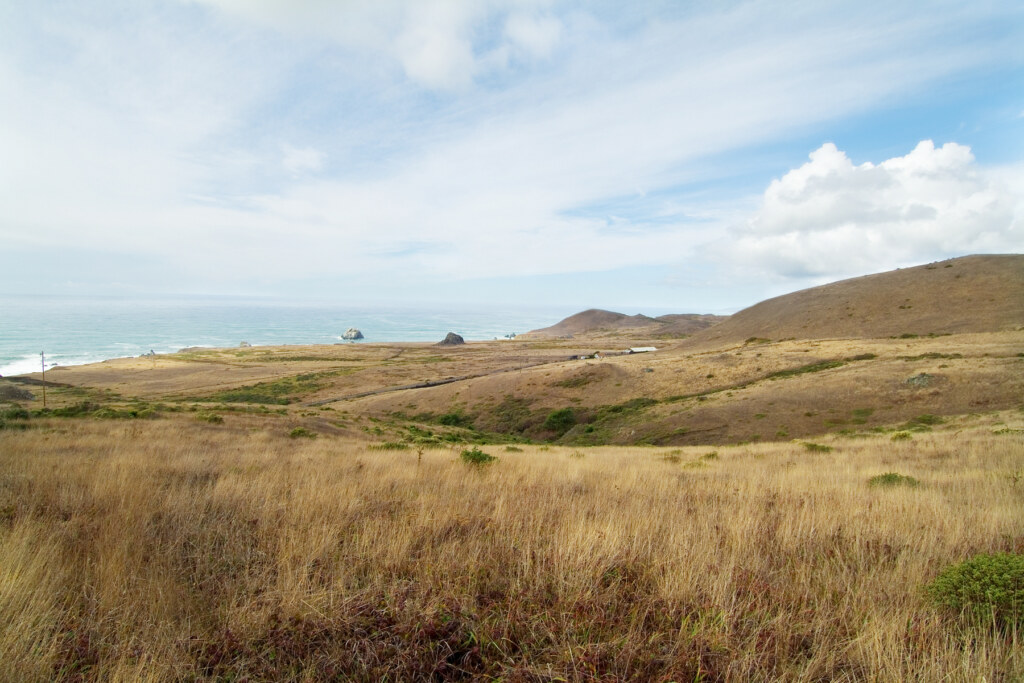
The swath of land comprising a 17-mile stretch of the Sonoma Coast State Beach is both visually stunning and ecologically significant. Red Hill sits within a landscape corridor linking the redwoods to the coast, part of the Pacific Flyway where fall raptor migrations funnel thousands of birds down the coastline. The property supports a rare mosaic of habitats—coastal prairie grasslands, riparian zones, coastal scrub, and wetlands—that together host many special-status species like the grasshopper sparrow and provide refugia for wide-ranging mammals like mountain lions. Atop Red Hill, an unexpected patch of redwood forest emerges from the open grassland, lush with ferns as branches arch overhead in ways that “feels enchanted,” as Shanti Edwards, Sonoma Coast Program Manager, describes it:
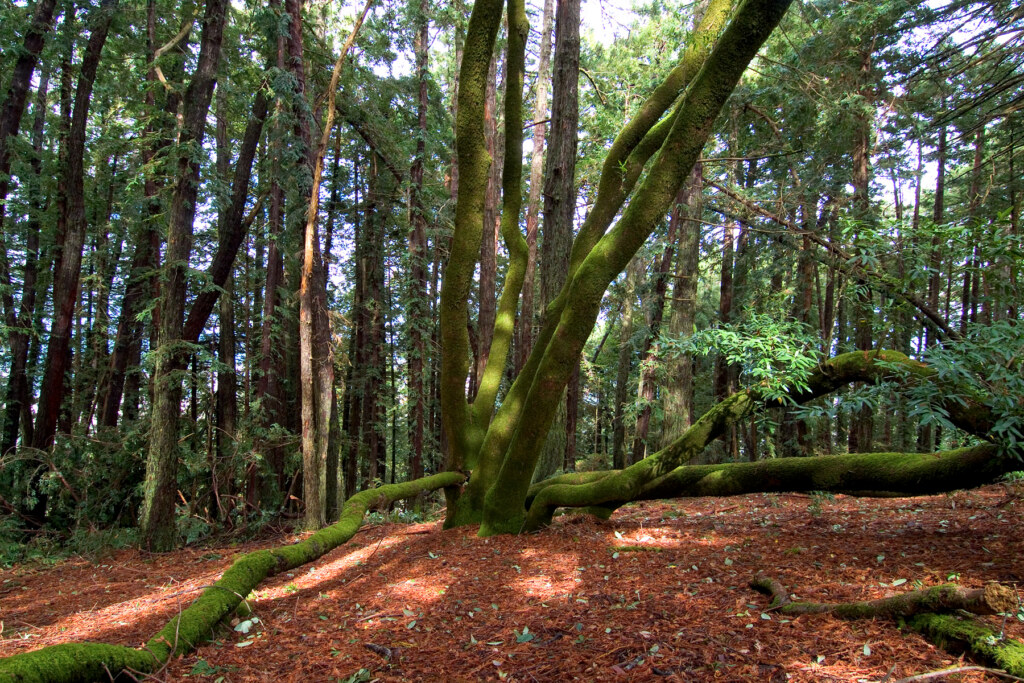
“The trail showcases stunning expansive vistas with native wildflowers and bunchgrasses every step of the way. Because this trail moves through ecotones where ecosystems blend from one to the next, the wildlife here is unique, too. Then you reach the top of the grassland expanse and are met by the redwood forest, and there’s a feeling of unfolding beauty paired with the physical uplift of exercise that’s truly awe-inspiring.”
The coastal grasslands and redwoods also sequester significant amounts of carbon and carry lower wildfire risk than surrounding landscapes. For the Tribes of the region, the land carries cultural significance that long predates any of this conservation work.
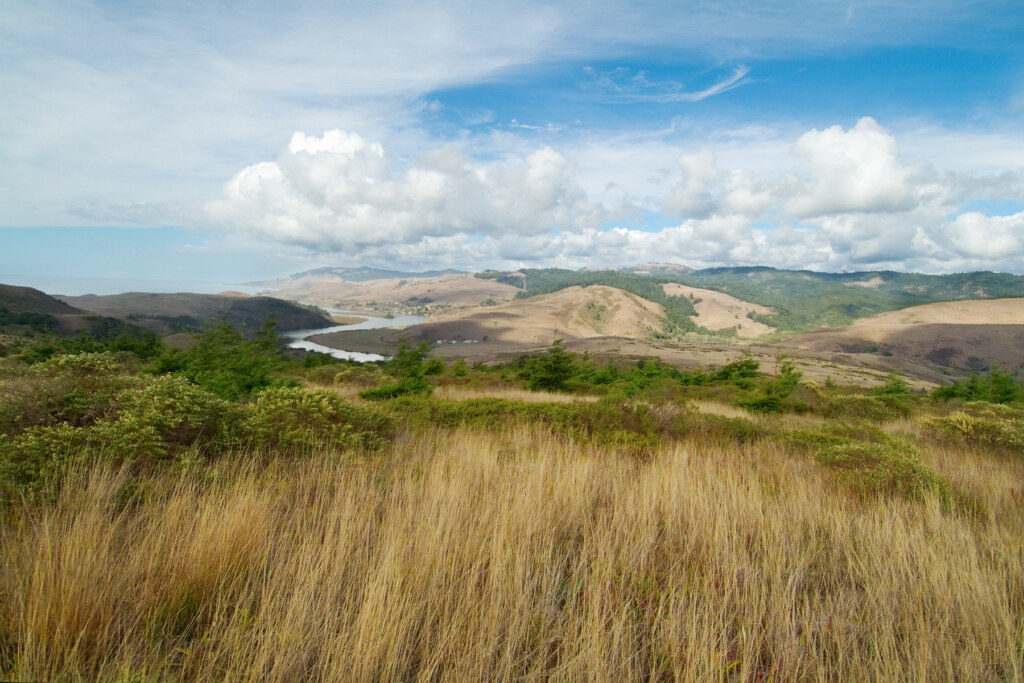
Red Hill in Sonoma Coast State Park is part of a landscape corridor from the redwoods to the coast that we are still working to protect. When Osprey Hill Ranch, the adjacent unprotected piece, is conserved at the end of 2026, the Sonoma Coast corridor will boast three adjoining ridgelines, offering a future hiking trail system inside a continuous swath of protected land along one of California’s most dramatic coastlines.
Sonoma Developmental Center: Advocating for Open Space Protections
In the Sonoma Valley, a different kind of conservation story has unfolded over the last decade. At its center is the former Sonoma Developmental Center (SDC) in Glen Ellen, which is not just the 180-acre campus of historic buildings that most people picture, but also 765 acres of oak woodland, meadow, wetland, and redwood groves on the slopes of Sonoma Mountain. That land sits inside the Sonoma Valley Wildlife Corridor, the critical linkage connecting the Marin Coast to Lake Berryessa. Its creeks offer creatures a narrow, secluded passageway through what is otherwise a developed landscape of vineyards, housing developments, and towns.
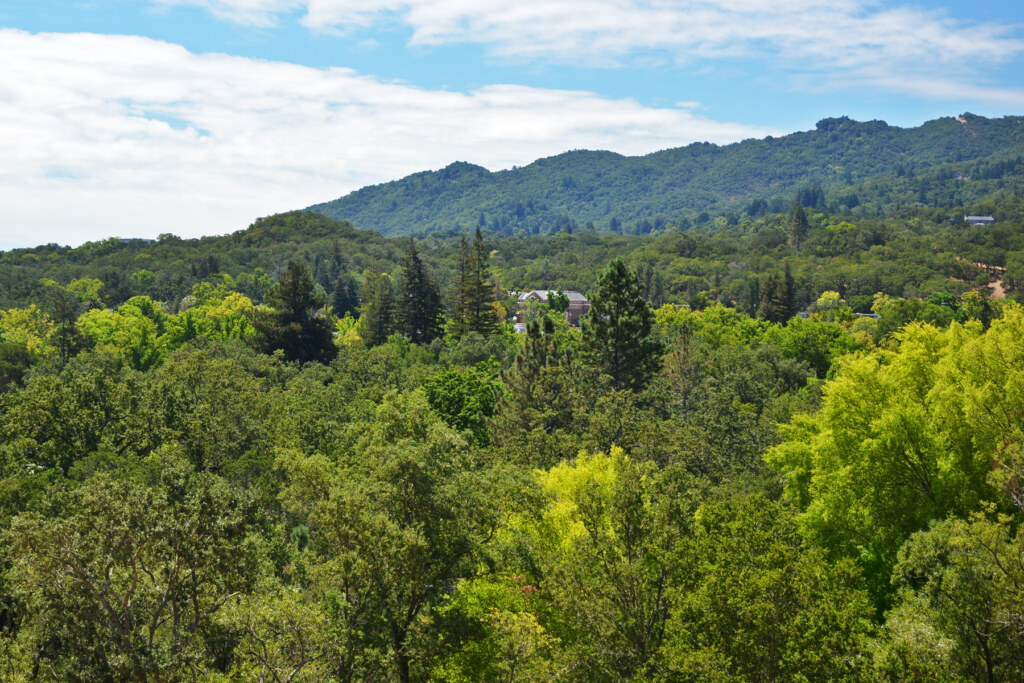
When the campus closed in 2018, the state put the property up for sale, and we were invited to sit with other local leaders to discuss a vision and reuse plan for this historic site. Unfortunately, in 2023 it was announced that a developer had been chosen and their plans for 930 housing units, a hotel, and more than 400,000 square feet of commercial space on the site galvanized us and the community into action.
Earlier in the decade, we conducted a wildlife study to understand how mountain lions, deer, badgers and other species moved through this region of Sonoma Valley. Building on that research, we launched Transform SDC a blog that gave the community the science and legal information they needed to understand what development in the area could look like along with potential impacts. We conducted rigorous research on wildlife movement and biodiversity with our partners Pathways for Wildlife and True Wild, and made the case to state and county decision-makers that the open space lands outside of the SDC campus must not be fragmented, or the wildlife corridor would be permanently severed.
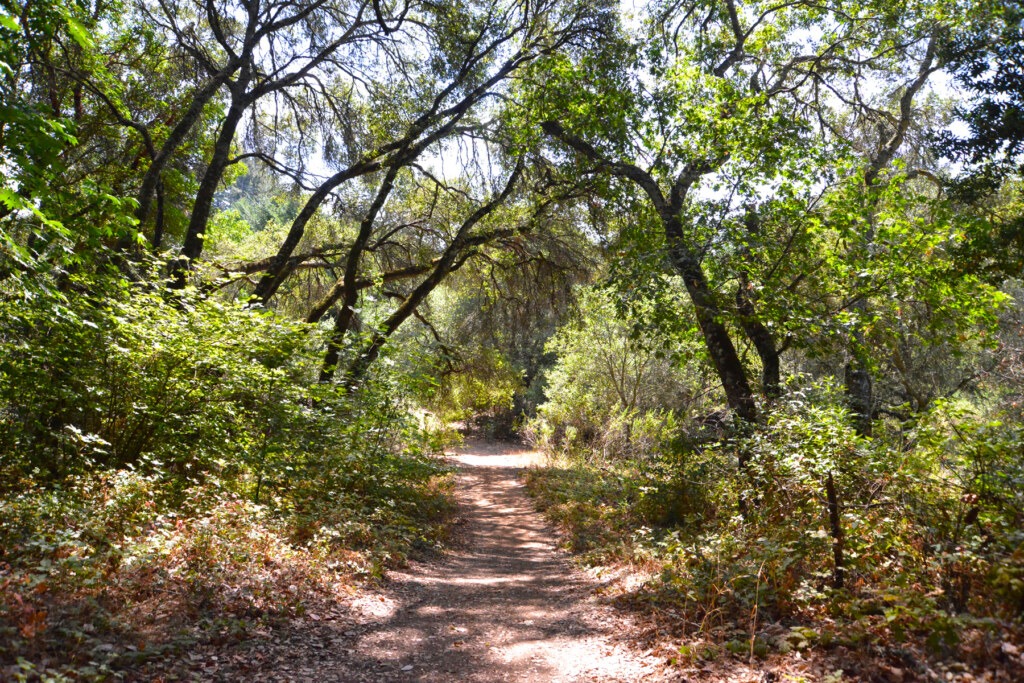
The studies and community support paid off. In January 2024, 650 acres of the open space outside of the 180-acre campus were transferred to California State Parks in the largest addition to state park lands in Sonoma County since 2010. Jack London State Historic Park absorbed the addition and grew to more than 2,200 acres. This achieved the first of two goals we had been working toward, says land acquisition director John McCaull, which was completing the transfer of high-value open space and wildlife corridor lands to public agencies. The second goal is to ensure that the campus redevelopment plans are compatible with surrounding land uses and the sensitive habitat and ecological resources of the expanded parklands.
Even after a 2024 court decision overturning the County’s approval of the massive housing and hotel development proposal, the state and private developers are pushing for an even larger project, with environmental review starting up later this fall. We and our many partners will continue to fight for a reasonable and environmentally sound housing project at SDC, while always ensuring that science and conservation goals are not ignored.
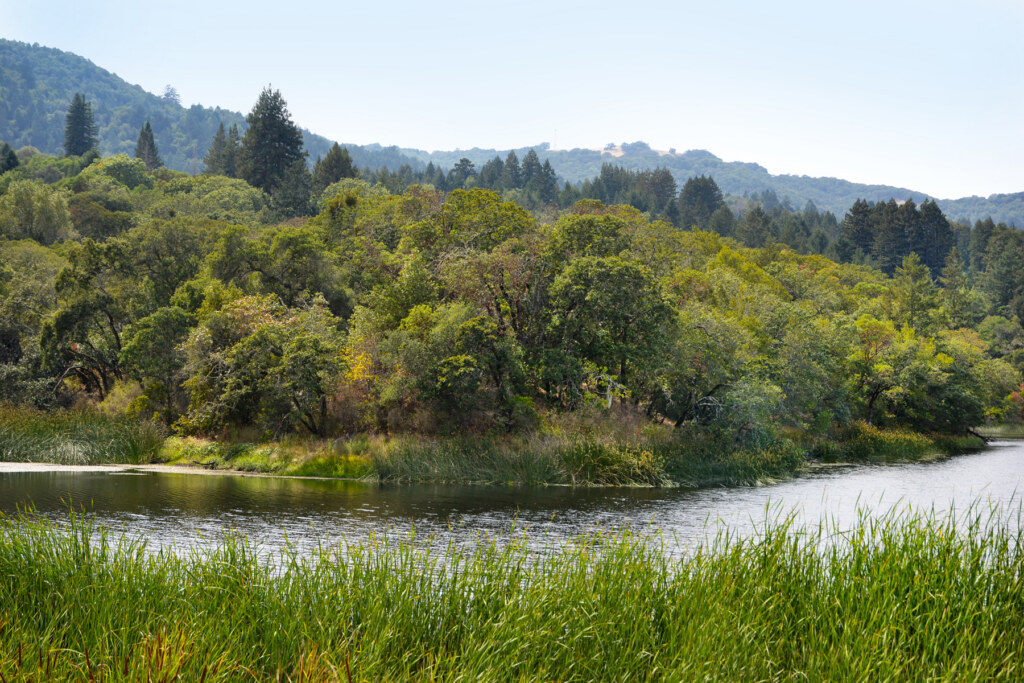
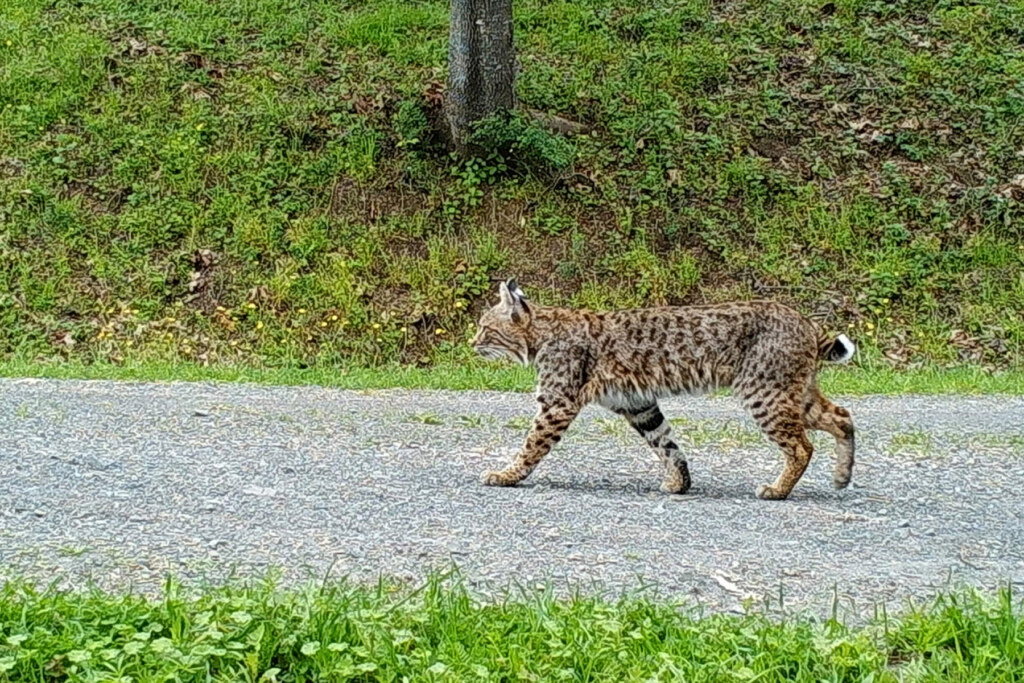
And that work doesn’t stop at the SDC boundary. Stewardship Program Manager Chris Carlson is continuing wildlife movement studies in the corridor, leading a yearlong study along Highway 12, installing 36 cameras across 13 miles to track where wildlife are attempting to cross one of California’s highest-priority wildlife barriers. Working alongside CalTrans, the California Department of Fish and Wildlife, and other partners, the study will inform a plan to retrofit culverts, add wildlife passages, and keep the corridor connected.
Acquisition and advocacy
Red Hill and SDC tell two very different conservation stories. At Red Hill, the path was relatively straightforward: identify the land, build a regional coalition, complete the acquisition. At SDC, there was no option to buy, but rather a decade of wildlife research, public education, and sustained advocacy at the local and state levels. Conservation doesn’t always look like a transaction—but at Sonoma Land Trust, it does always look like a diverse collection of expertise, dedicated people, and public support.