Blog
Chapter one of Sonoma Land trust’s history: A parks story
How Sugarloaf Ridge and Hood Mountain became parks
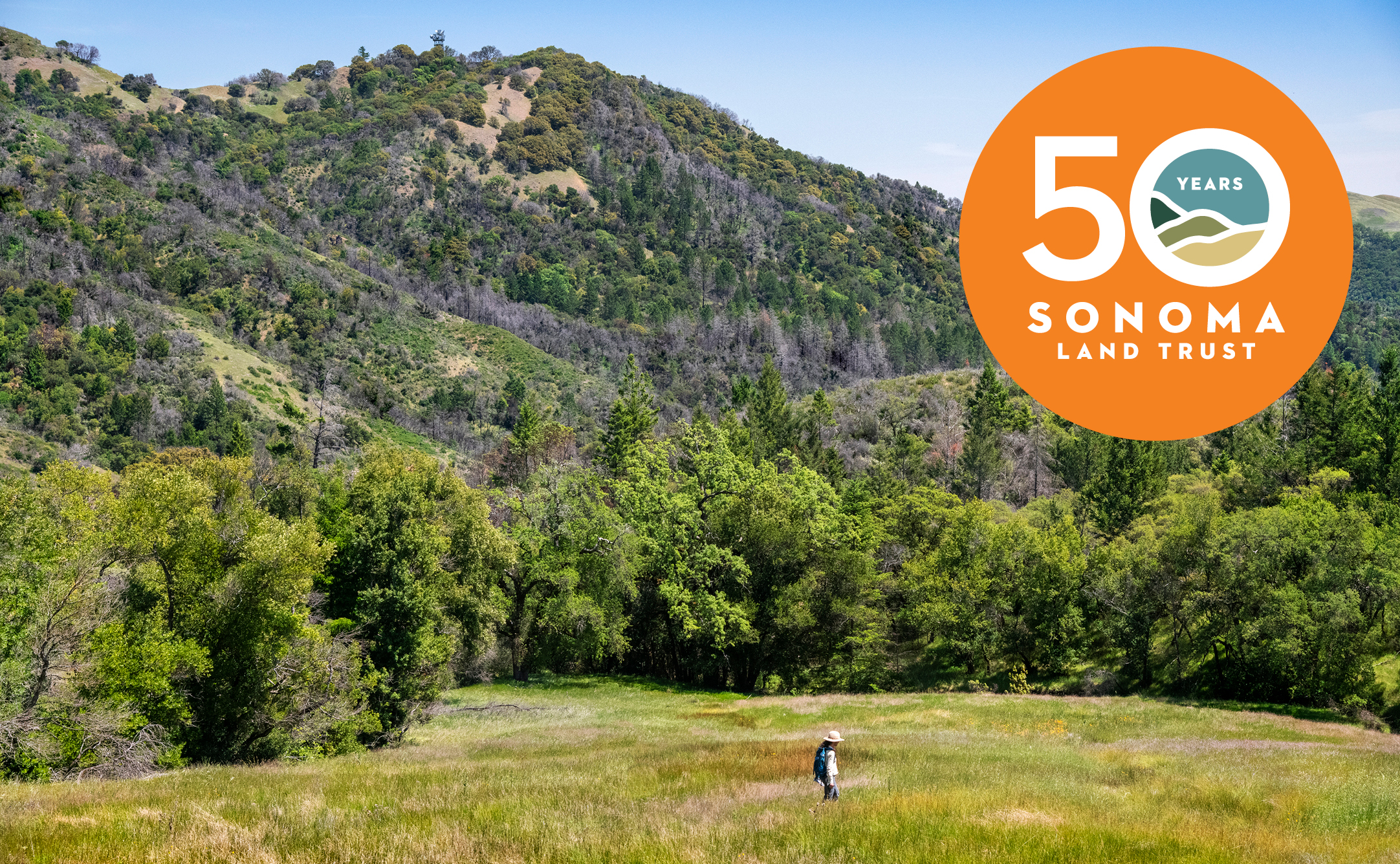
In 1964, Sugarloaf Ridge became a California State Park. A decade later, in 1974, Hood Mountain was established as a Sonoma County Regional Park. Today, the two parks sit side by side in the Mayacamas Mountains above Kenwood, comprising nearly 8,000 acres of oak woodland, chaparral, serpentine grassland, and redwood canyon, with more than 44 miles of trail open to the public. Affectionately called “SugarHood” by locals, together they form one of the most significant protected landscapes in the North Bay.
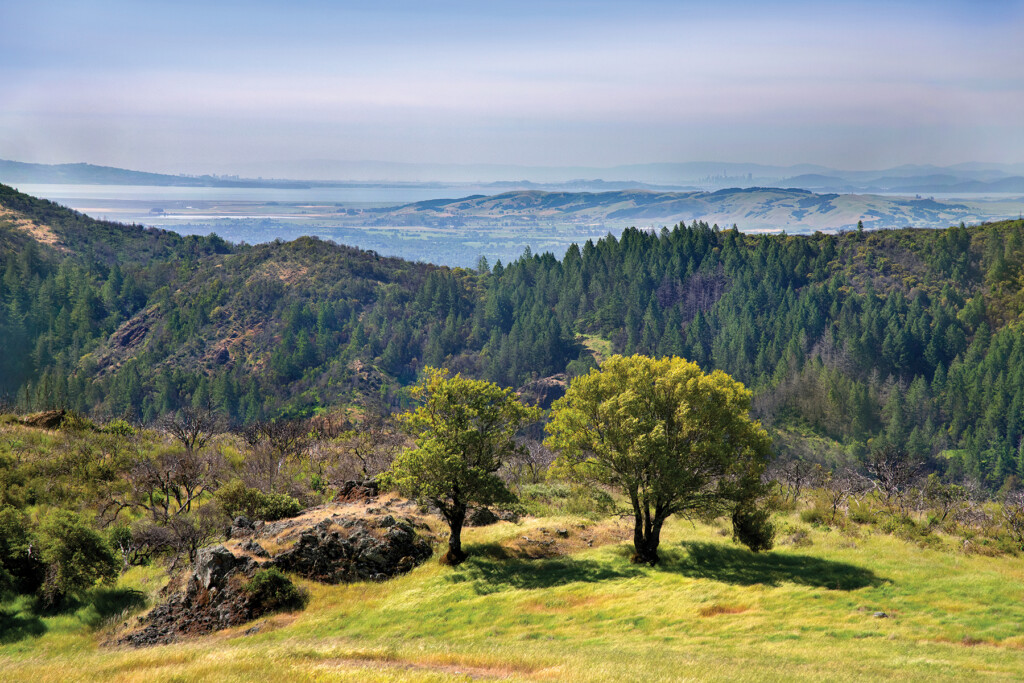
At the time they were established, both parks still had private land inside and around their boundaries. Those missing pieces left wildlife corridors fragmented and the parks themselves incomplete, and over the decades since, Sonoma Land Trust has worked to fill those gaps. Through strategic acquisitions, conservation easements, and transfers to public agencies, we have helped connect the landscape piece by piece, protecting creek corridors, securing inholdings, and ensuring the land making up the critical wildlife movement corridor between these parks was permanently secured.
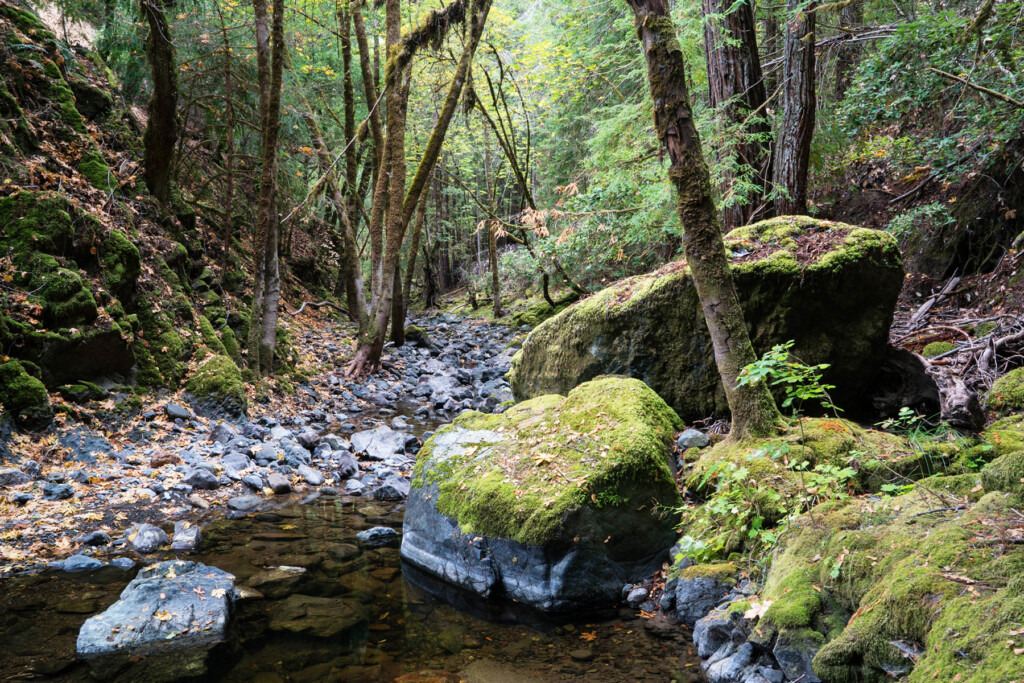
Here’s how our acquisitions have contributed to these parks:
Santa Rosa Creek Headwaters
Acquired in 2017, the 162-acre Santa Rosa Creek Headwaters buffered the park’s edge from growing residential development along Los Alamos Road while protecting the upper watershed.
Santa Rosa Creek Redwoods
Acquired in 2018, the 40-acre Santa Rosa Creek Redwoods preserved the last stand of old-growth redwoods in the upper Santa Rosa Creek watershed and secured critical steelhead spawning habitat. This was completely undeveloped land transferred to the county as a wildlands buffer.
Fitzsimmons Ranch
Acquired in 2021, the 200-acre Fitzsimmons Ranch, homesteaded in 1912 and kept undeveloped ever since, filled a private inholding at the core of the Sonoma Valley Wildlife Corridor. This acquisition expanded one of the largest swaths of preserved wilderness and intact wildlife habitat in the Mayacamas Mountains, strengthening a critical wildfire buffer for neighboring communities, including Santa Rosa, while advancing the region’s long-term resilience in the face of climate change.
McCormick Ranch
Most recently, in 2024, the 654-acre McCormick Ranch was acquired and transferred to regional parks and will connect Hood Mountain and Sugarloaf Ridge directly, completing a trail network across more than 13,800 acres of contiguous land and closing the final gap in the Bay Area Ridge Trail through this section of the Mayacamas. The $14.3 million acquisition was funded by the Gordon & Betty Moore Foundation, California State Coastal Conservancy, California Natural Resources Agency, Sonoma County Ag + Open Space, California State Parks’ Habitat Conservation Fund, and individual donors.
Bald Mountain Ranch
Beyond park transfers, our conservation easement at Bald Mountain Ranch in 2010 shields a ridgeline connecting our first-ever preserve Secret Pasture to the Hood Mountain and Sugarloaf complex. It’s private land that, thanks to the easement, remains undeveloped and an essential part of the broader wildlife corridor linking these parks to the wider Mayacamas landscape.
Keeping the Landscape Resilient: Fire
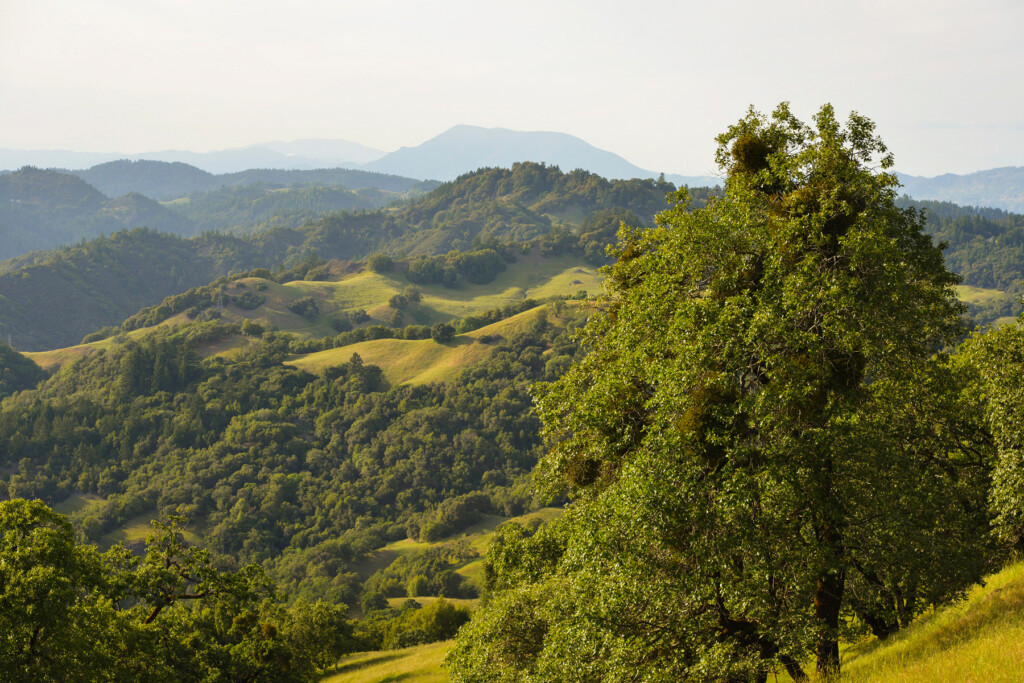
We’re also involved in the ongoing stewardship of SugarHood through our Good Fire initiative. As a founding member and funder of the Sonoma Valley Wildlands Collaborative, we work alongside private and public conservation partners to reduce wildfire risk across a 20,000-acre area encompassing these parks, surrounding open spaces, and the communities of Glen Ellen and Kenwood through fuel reduction, understory thinning, and prescribed burning on our preserves.
Getting Your Nature Fix
There’s another reason protecting and caring for healthy landscapes is good for us. Research shows that even 10–15 minutes outdoors can improve mood, reduce stress, and sharpen focus. Access to parks is linked to lower rates of chronic disease and stronger communities. Sugarloaf even offers a nature prescription program, connecting visitors to the well-documented benefits of time outside. And for the children who grow up on these trails, that early connection to the land might just be what makes today’s young hikers tomorrow’s conservation leaders.
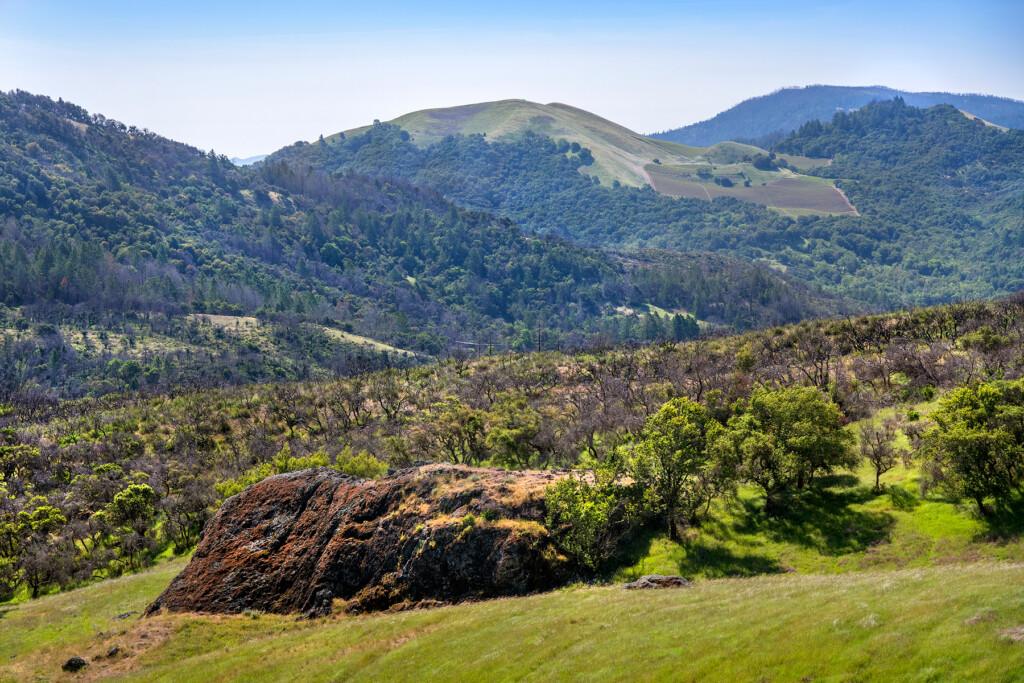
Coming up next: For more than a decade, Sonoma Land Trust advocated for the protection of the Sonoma Developmental Center, the last large undeveloped property in the Sonoma Valley wildlife corridor. Stay tuned to find out how that work helped lead to the 2024 transfer of approximately 650 acres into the State Park System, the largest addition to Sonoma County state park lands since 2010.
Explore every place we’ve helped protect, including all the land we’ve transferred to public parks. [View the map]