Blog
Technology is a tool, not a replacement, for people
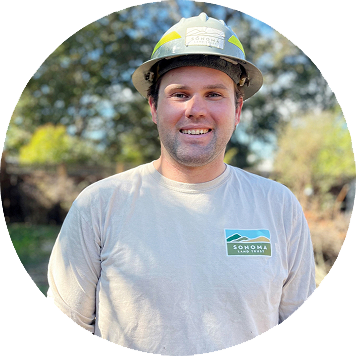
Hi, Joe Plaugher here. I plan and lead prescribed burns for the Land Trust.
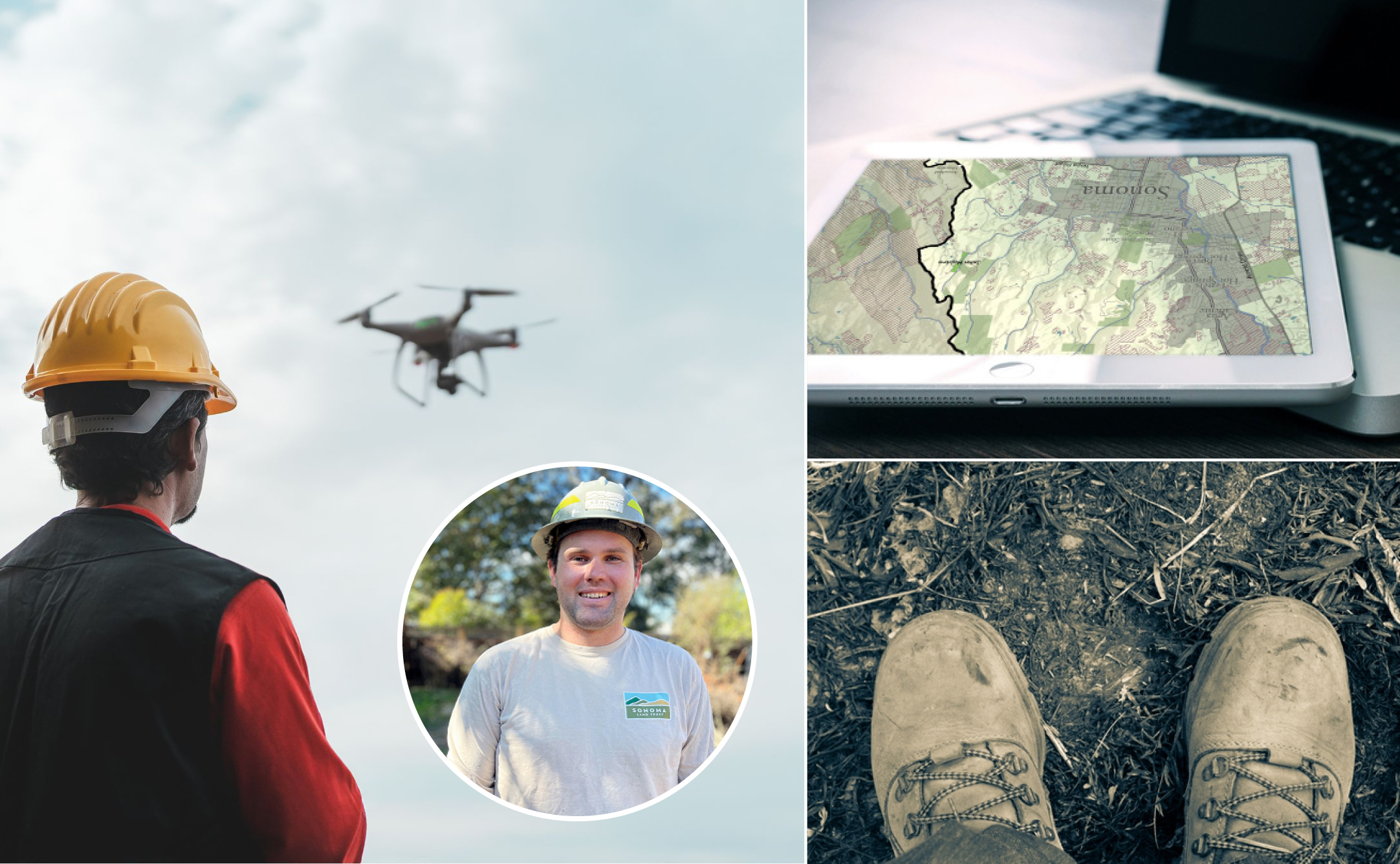
This month, we’re taking a look at how technology is a vital part of our work, but also not a replacement for a good set of boots (and hands) on the ground. With the breakneck pace of developments in the digital world, from AI to remote sensing technology, it’s important to remember that people matter and cannot be removed or replaced from this work.
Fire is a complicated endeavor. Fundamentally, it is a physical process—turning fuel into light and heat—and ecologically, it is a vital part of our flora and fauna for so many reasons. But in a world with nearby homes and communities, changing weather patterns, and accumulated fuel buildup on the landscapes, the consequences of error can be very high. That’s where technology comes in, playing a significant role in helping these projects be successful. Before a burn, we use LiDAR to help evaluate the treatment area, and fire modeling software to anticipate fire intensity and speed. We rely on accurate weather forecasting, both with the help of the National Weather Service and their army of satellites and supercomputers. We also deploy portable weather stations to get fine-scale information on how wind moves on the site throughout the day.
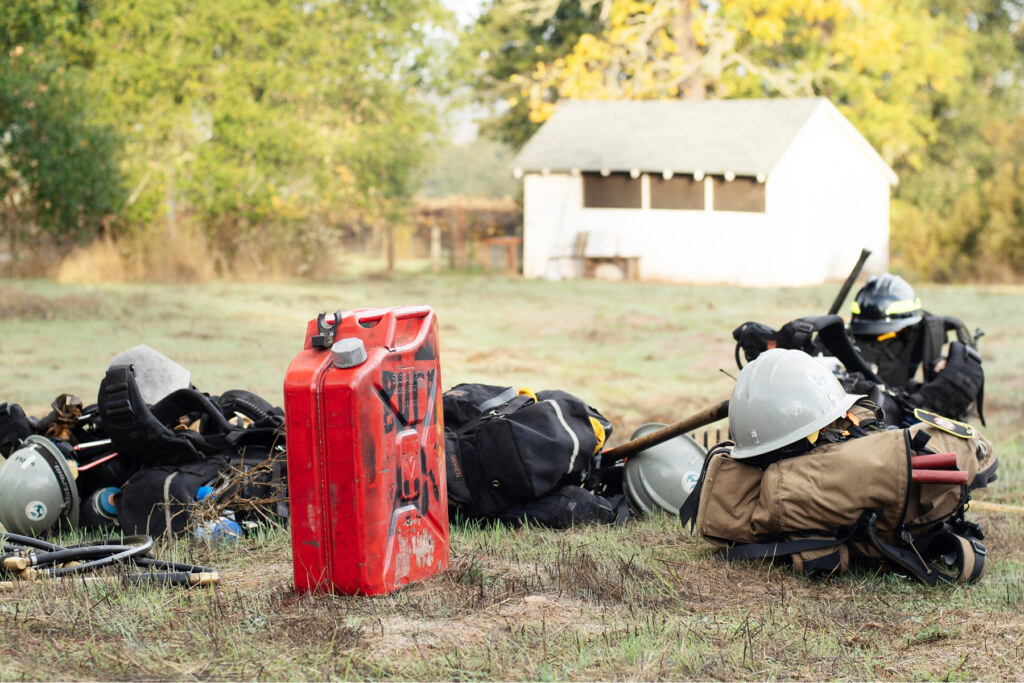
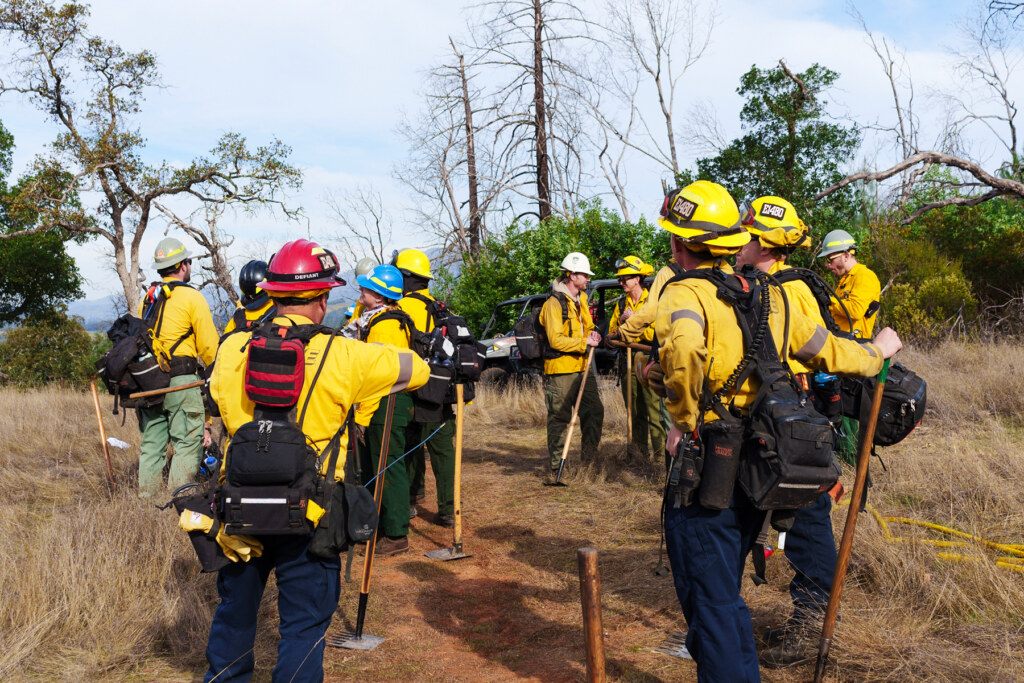
But even with all these fancy tools, there’s no way to get the work done without people, their hands, and their brains in the field. The actual burn itself is remarkably low tech, a few folks with drip torches on the firing team, and more with hand tools or water to patrol the edges and make sure it is all contained. The crew caries McCleods and Pulaskis, manual tools named for the rangers that built them in the early 1900s, and basically unchanged to this day.
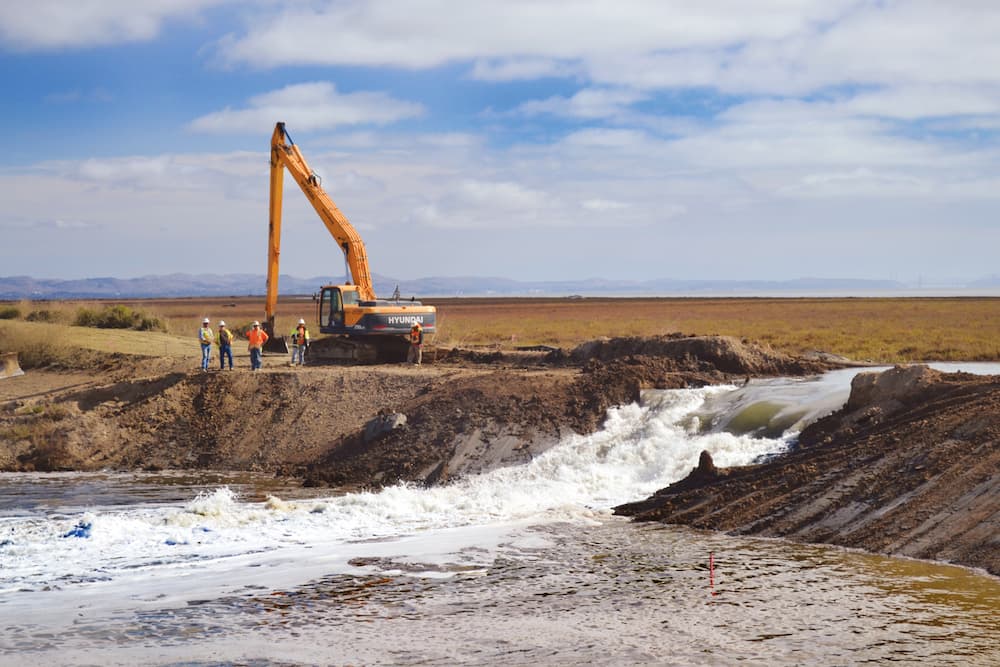
My colleagues have experienced similar developments as well. Our GIS (geographical information systems) has evolved from pen on paper to beautiful, detailed digital maps, but much of the data needed to create a precise map is gathered by people spending time on the ground. LiDAR flights can help uncover areas ripe for riparian restoration, but to do the restoration still requires moving dirt, logs, and water. And when we work to safeguard wildlife movement across local roads and highways, species distribution models can estimate the likelihood of an animal using a certain area, but there’s no replacement for walking on the land looking for trails and signs, and using trail cameras to see what’s going on when we’re not there.
As we reflect on our 50 years of conservation projects, it’s important to remember that innovation will bring new and exciting tools to the trade, but our relationship with the land is still the core of our work. Technology is a tool, but not the solution. It will continue to drive efficiencies and growth, but never be the replacement for a curious mind, a helpful pair of hands, and a set of sturdy boots.