Blog
Redwoods to the coast: Meet campaign co-chair Dr. Anita Das
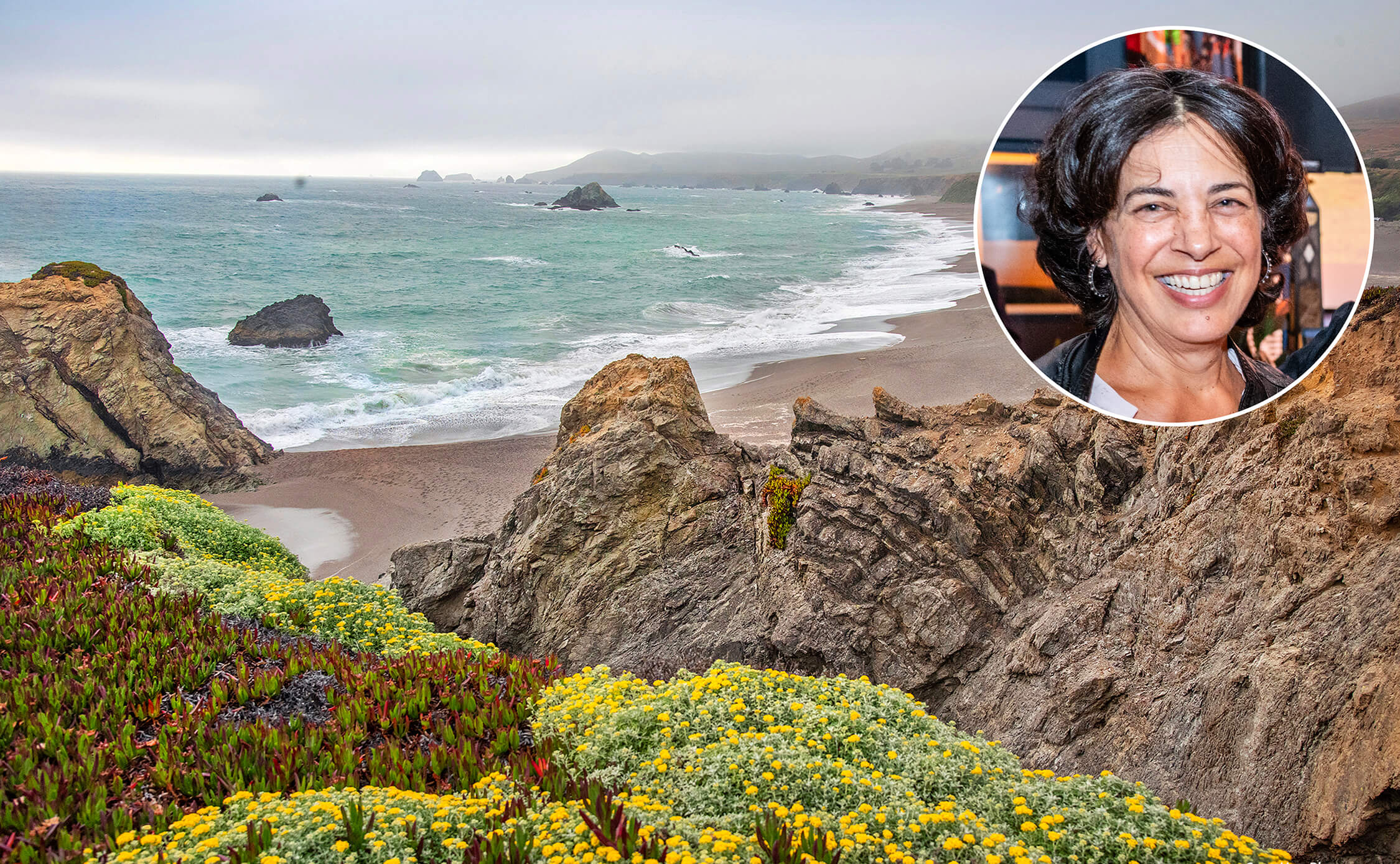
Anita Das grew up spending weekends at the Bodega Marine Laboratory, helping her father, a PhD immunologist who was studying seaworms (Urechis caupo) in the mudflats, dig them up and sort them in his lab. “I thought I was doing real work,” she says with a laugh. “I probably wasn’t.” Those weekends are where her love of the Sonoma Coast began. “I love the coast partially because I have such a family connection to it,” she says. “I was in my dad’s lab and he was teaching me science, and we always had such a good time up at the coast.“ She was only 10 years old and didn’t know yet that she would grow up to be an accomplished scientist herself, coming back to the Sonoma Coast to give back to this place that helped shape the course of her life.
Today, Anita holds advanced degrees in both statistics and epidemiology, and has spent her career designing and analyzing clinical trials—the rigorous, controlled studies that determine whether a drug actually works. She got her start at the National Institutes of Health, then did this work at George Washington University studying how to help pregnant women have healthier babies, and now in pharmaceutical research. Her path there was influenced first by her father and then by a series of mentors who handed her work she didn’t know how to do and told her to figure it out. From graduate school to a PhD, “these things were never my idea,” she says, but she was eager to learn, game for a challenge, and driven by the desire to make a positive difference.
That also describes how she got involved with Sonoma Land Trust. She was living in San Francisco at the time, working too much and escaping on weekends to a cabin in Cazadero with no internet and no cell service. “It was my getaway place,” she says. At Freeman Winery one afternoon, she picked up a Sonoma Land Trust brochure, did what she always does—more research—and decided this was the kind of organization she wanted to be part of. “It just seemed that we’ve got an opportunity here to keep a lot of the wild land wild,” she says. Moved by the refuge nature had given her when she needed it, she wanted to return the care and make sure it could still be that place of solace and wonder for future generations.
“That’s how I got to have a really great career—learning things out of my comfort zone.”
Now a member of Sonoma Land Trust’s Legacy League and co-chair of the Connecting Redwoods to the Coast campaign, which includes Osprey Hill Ranch, Anita brings her analytical mind to questions like, how do you measure conservation impact? She sees a direct parallel to the outcomes research she’s done in epidemiologic studies. “Our work at the Land Trust is really long-term,” she says. “You might not see the real impact for 10 years, maybe farther out.” That’s why the Legacy League resonates with her. A planned gift is a testament to believing that this work matters, not just now, but long into the future.
Anita is also an ardent supporter of the Conservation Council, Sonoma Land Trust’s youth program, and hears something familiar when she listens to graduates at their ceremonies. “They say, ‘I never knew I could do X, I never knew I could do Y,'” she says. “That’s how I got to have a really great career—learning things out of my comfort zone.” For her, a mentor had given her a three-inch programming textbook and said, learn this. She did. For Conservation Council youth, they might be told to set up a wildlife camera or analyze samples of soil to determine the effects of fire on the land. They approach it all with the same vigor and curiosity Anita did when she was that age.
“A planned gift is a testament to believing that this work matters, not just now, but long into the future.”
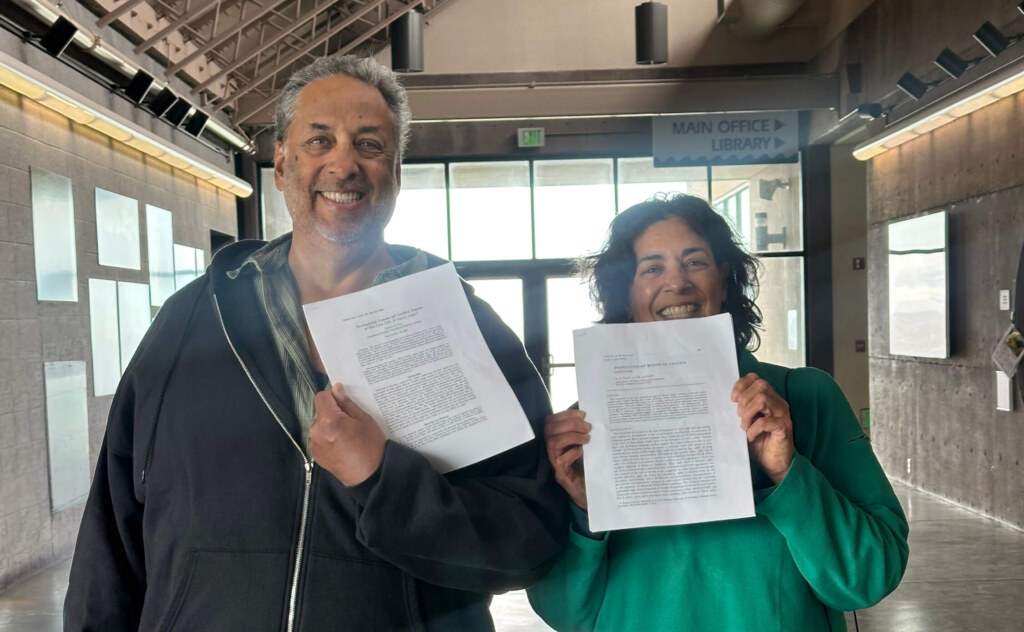
And now, Anita gets to pay it forward in another way, too. About a year ago, after she and her brother made a donation to the lab, she was able to go on a private tour of the Bodega Marine Lab with her family. Though a frequent visitor to Bodega Bay, Anita hadn’t been back to the lab since her days scooping up seaworms in the mud with her brother for her father to collect data on. During the tour, the staff had tracked down research papers her father published there in the early 1970s and printed them out as a gift. “I was like, ‘Oh my God, that was so nice,'” she says. Decades after sorting seaworms there as a girl, Anita is back on the coast where her love of science and wild places began, and now she’s helping to protect it.