Blog
Ask the experts: Our preserve managers on Sonoma County species to watch

Did you know that Sonoma County is a global biodiversity hotspot?
As part of the California Floristic Province—one of only 36 biodiversity hotspots on the planet—our Mediterranean ecosystem contains more plant species than the entire central and northeastern United States combined, an area ten times our size. Sonoma Valley alone is home to 350 species of birds. What makes this biodiversity possible is the remarkable variety of ecologically and geographically unique landscapes, or bioregions, packed into one county, from redwood forests, coastal prairies, and oak savannas, to rivers, estuaries, serpentine grasslands, and miles of rugged coastline, each supporting its own distinct community of life.
Take a deep dive with our land stewards across all four of Sonoma County’s bioregions into the science, restoration, and from-the-field stories that make these lands so special.
The Sonoma Coast with Shanti Edwards, Sonoma Coast Program Manager
What kind of monitoring or science is underway along the coast to understand biodiversity there? Any recent trends?
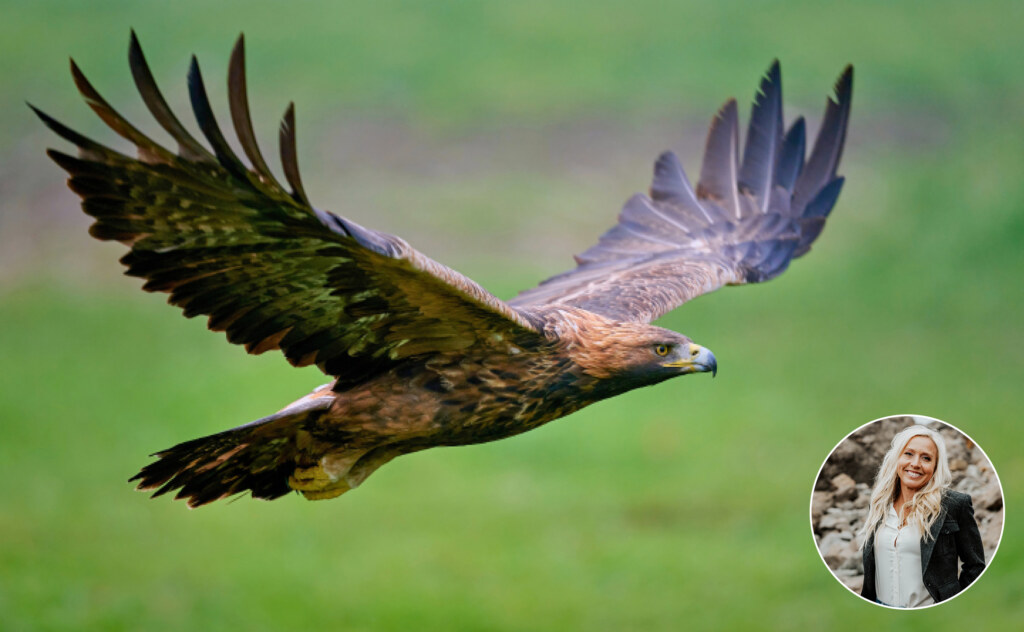
As we address the recent frequency and severity of wildfires, land managers across the West are advancing fuel management projects to reduce fire risk and protect ecosystems. We recently partnered with Point Blue Conservation Science and The Wildlands Conservancy with important funding from the Cornell Lab of Ornithology to assess forest management units using birds as an indicator of habitat health with a shared goal: to examine how birds—particularly forest species—respond to fuel reduction treatments like prescribed fire, mechanical thinning, and shaded fuel breaks. Using birds as our indicator of habitat health, we replicated surveys done a decade ago to measure how bird populations were responding to these treatments across our coastal forest preserves.
What have you observed recently—a restoration effort paying off, or a change that’s telling us something important about coastal health?
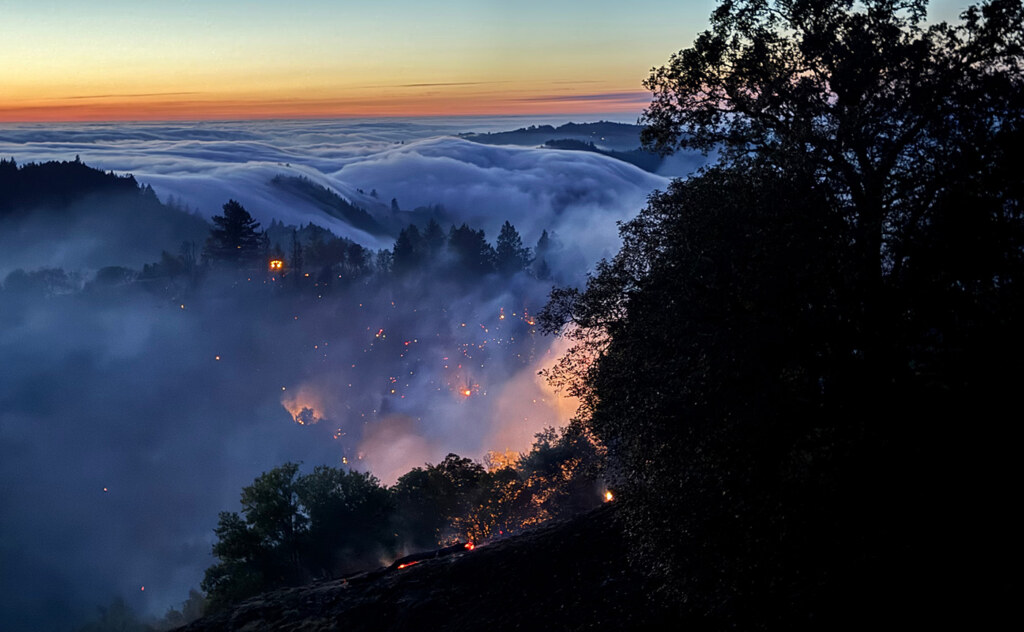
Across all preserves, wildfire resilience treatments had either a neutral or positive effect on the number of bird species and the overall abundance of birds. In some cases, species richness increased compared to baseline surveys from a decade prior. Even better, the treatments created “edge habitats,” the transitional zones between different forest types that tend to boost species diversity. Three years ago, we used prescribed fire in a few forest units. Following this study, we are now seeing the diversity of conditions that the fire helped create. Some weaker trees succumbed to fire, but it has created small meadows with more light hitting the forest floor, and habitat for perching and cavity nesting on the dead trees.
What’s your call to action for readers, and what species do you most hope to see thriving along our coast?
Rural residential landowners along the coast and interior reaches can help wildlife thrive by employing wildlife friendly practices such as removing or modifying fencing to minimize impediments to wildlife passage; reducing, dimming, or timing outdoor lighting; and securing household trash to reduce wildlife and human conflicts. Together, these actions can help coastal wildlife thrive, including mammals such as black bears, mountain lions, and coyotes, as well as birds, insects, and amphibians affected by artificial light at night.
What species iconic to the coast do you feel a special connection to?
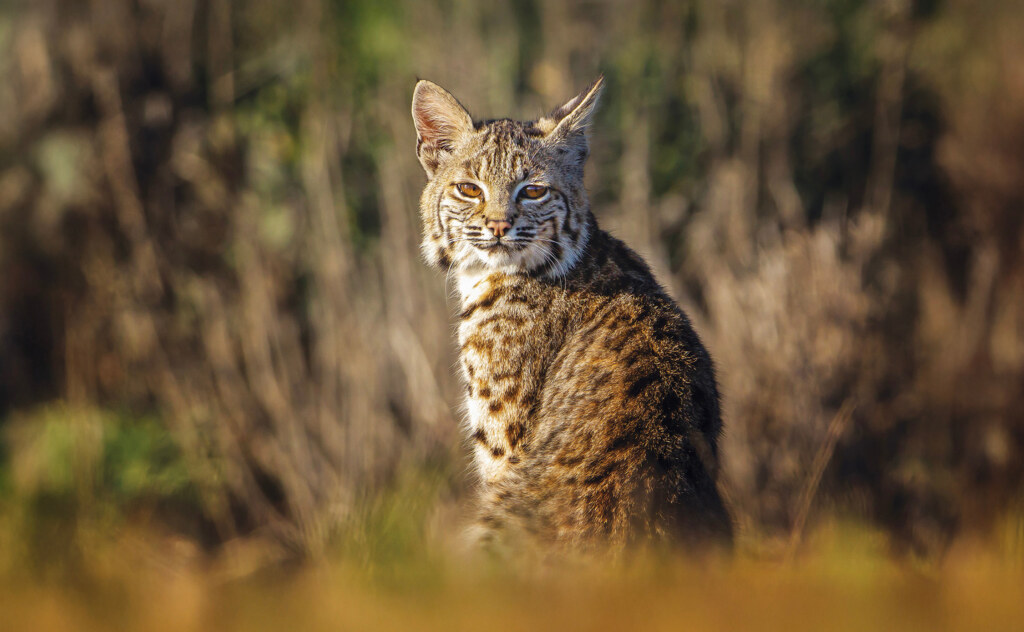
Bobcat (Lynx rufus)
The Sonoma Valley with Chris Carlson, Sonoma Valley Stewardship Program Manager
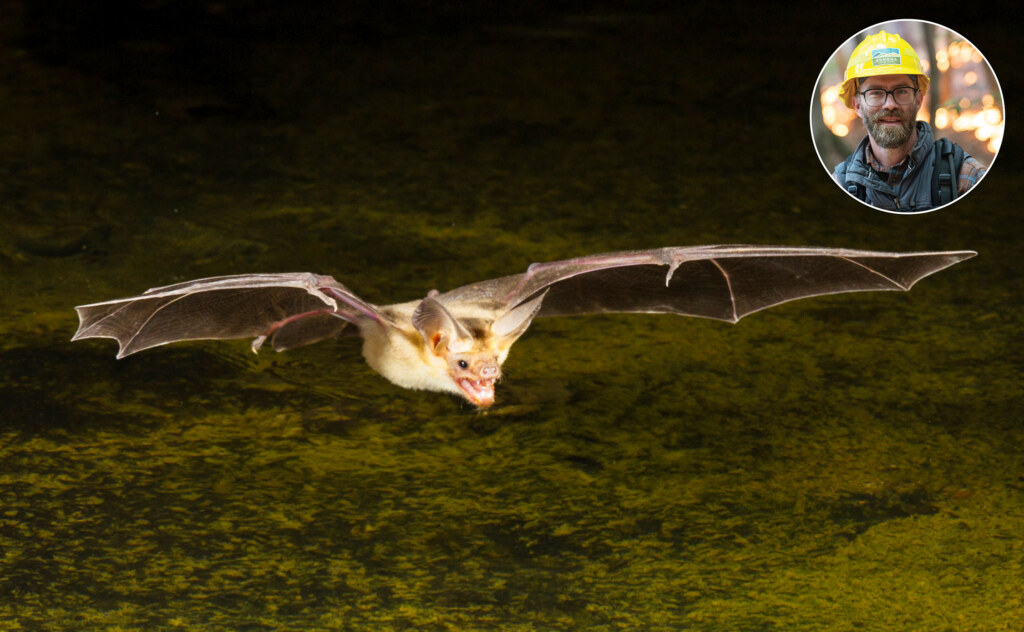
What kind of science or monitoring are you doing to track biodiversity in Sonoma Valley right now? (Perhaps there are updates to the bat study?) Any recent trends?
We have two main efforts tracking biodiversity.
First is searching for sensitive species around the former Sonoma Developmental Center (SDC). I’m always blown away that a lot of biodiversity is hiding in plain sight. Our biologists have found new populations of foothill yellow legged frog, California giant salamanders—oh and bats! Acoustic recorders detected over 13 unique species of bats in the area—including our charismatic State Bat, the Pallid Bat (Antrozous pallidus)—at 5/6 sites surveyed. They hunt ground insects.
We are also monitoring wildlife movements and roadkill along Highway 12, and finding that the wildlife corridor near Glen Ellen is NOT the only place where wildlife are abundant, but it is one of the safest places, shown by lower roadkill rates.
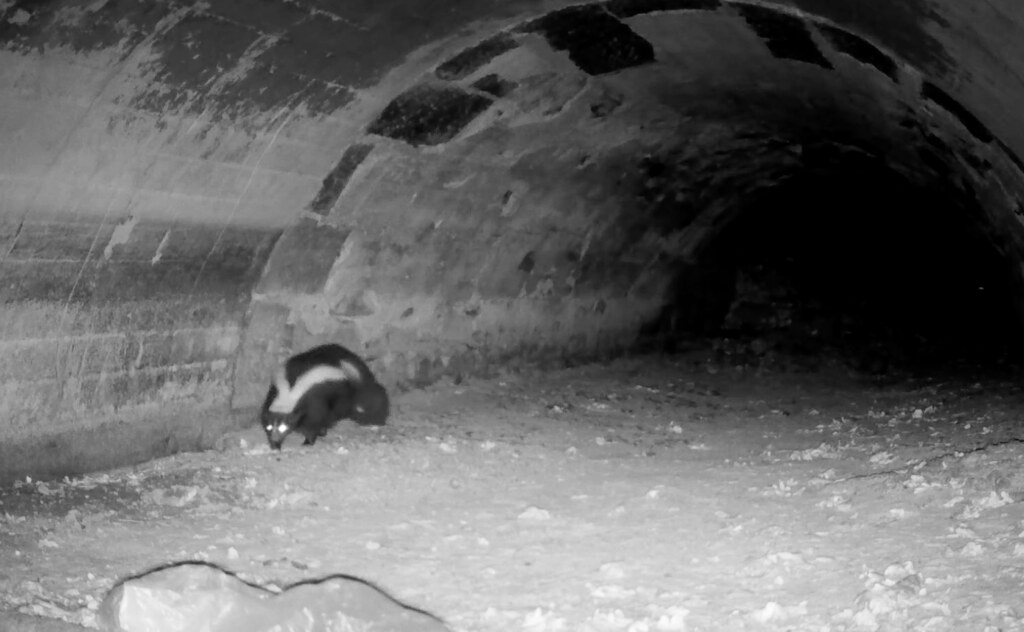
What’s a restoration effort that’s paying off—what have you seen improve, and what does it tell us about the valley’s health?
This is small—but I’ve been blown away by how readily oak trees can establish below grapevines, with the extra shade and water.
What can people do to help support biodiversity here, and is there a species you’re personally hoping to see return or thrive?
Consider your outdoor lighting! Artificial light is a barrier to nocturnal wildlife, just as a fence or road might be a barrier. Artificial light—especially “cooler” spectrum lights—disrupts nighttime rest, foraging, and migration and is thought to be one of the biggest factors driving global declines in insects.
Is your outdoor light on a timer? Is it shielded? Does it have “warm” spectrum light? Dark Sky has great guidelines, but the easiest thing to do is swap out your “bright white” bulbs for “amber” bulbs with temperature of 2000k or less.
What species iconic to Sonoma Valley do you feel a special connection to?
Western Screech Owl (Megascops kennicottii)
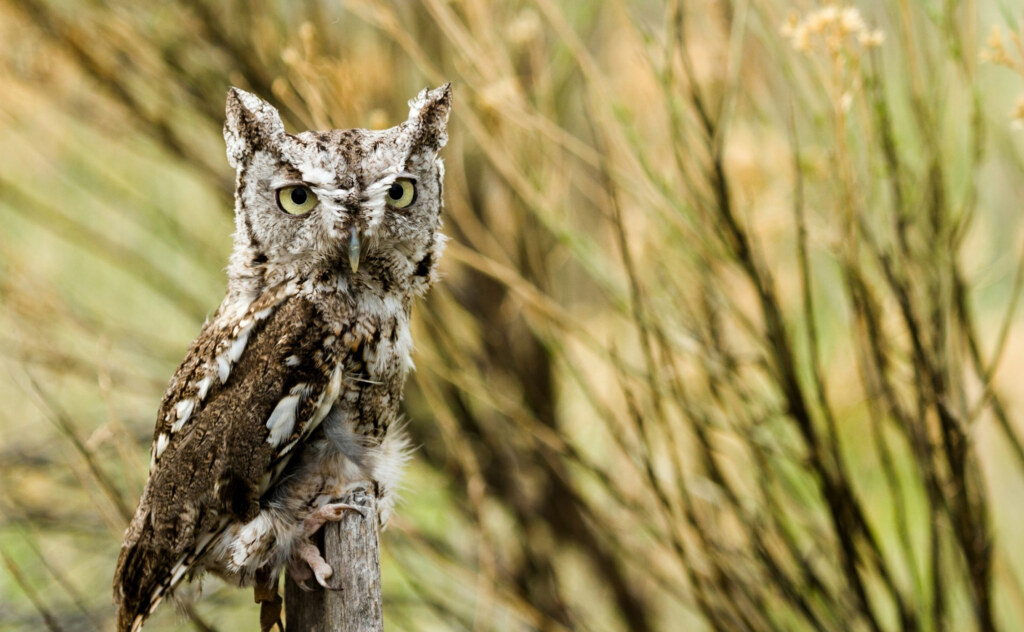
The Sonoma Baylands with Julian Meisler, Associate Director of Stewardship, and Kate Freeman, Land Acquisition Program Manager
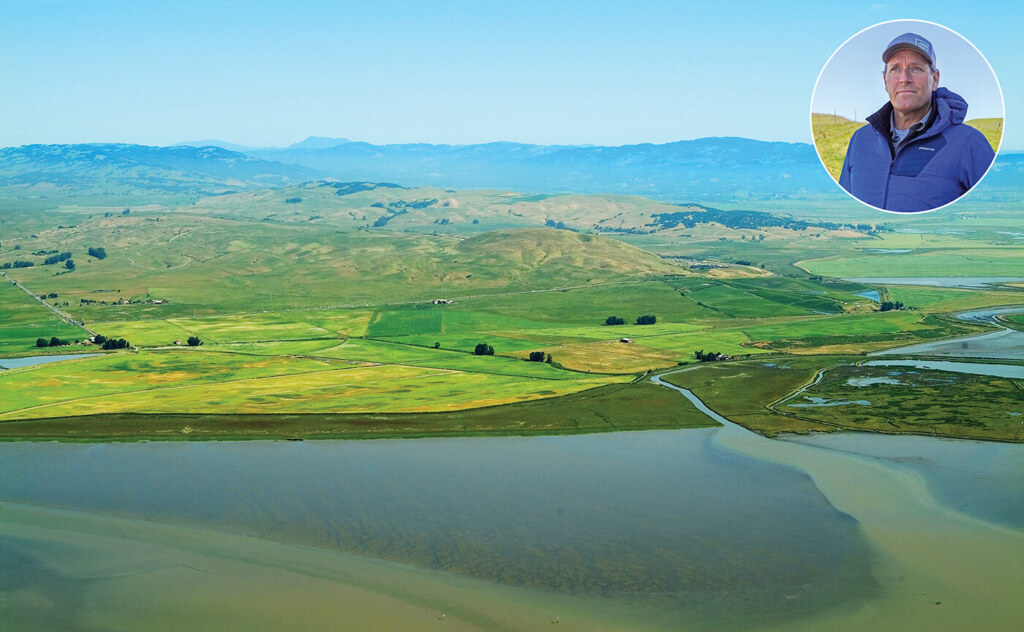
JULIAN MEISLER, Associate Director of Stewardship
What science or monitoring work is happening in the Baylands to track biodiversity? Any recent trends?
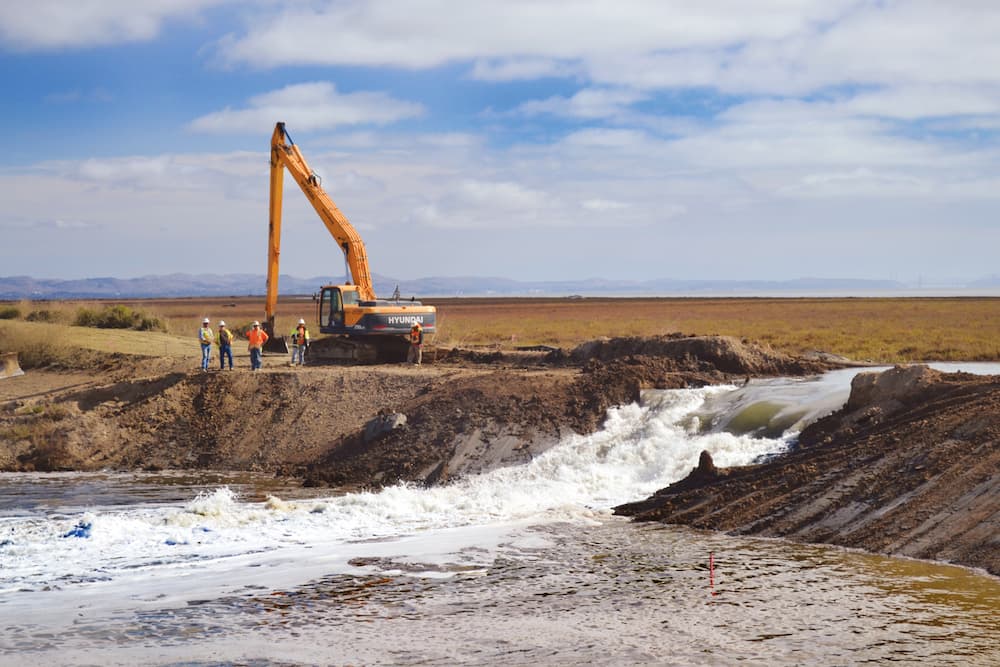
As part of the overall monitoring of Sears Point, our consultants monitor sediment accretion, channel development, and vegetation establishment, among other things. Although the sediment is a physical and not a biological metric, it is exciting because once we get enough sediment and the right elevation, that site will transform from a mudflat to a marsh. It could happen anytime. The bird usage will gradually change to those favoring marshes. We will also get things like endangered salt marsh harvest mouse.
Regionally, there is more going on than ever. In an effort to reduce redundant monitoring (monitoring the same parameters across all project sites even if they are right next to each other), the Wetland Regional Monitoring Project is well underway and is measuring things such as sediment, vegetation, tidal elevation, etc. They are also monitoring fish in our area, which is exciting.
What’s the biggest threat facing biodiversity in the Baylands right now—and what’s the most exciting restoration win happening there?
I would say the effects of climate change. Marshes will begin to shift to mudflats, and mudflats to subtidal zones. Warm water temperatures upset the balance and lead to algal blooms and fish kills.
What can people do to help, and what species are you personally hoping to see return to the Baylands?
People are already helping. Residents of the Bay Area have been incredibly supportive of with the passage of Measure AA seven years ago. People can also volunteer with groups like the Friends of the Petaluma River, the Friends of the San Pablo Bay National Wildlife Refuge, and sometimes with us. Visiting the public access points is also great and shows those in charge that these places are important.
I’m not especially tied to a species but I am really interested in seeing the community of species return—the marsh vegetation, the fish, the predators, the raptors—all together in a functioning system. To a certain extent, this is happening, but we need to scale it up while connecting baylands to uplands.
What species iconic to the Baylands do you feel a special connection to?
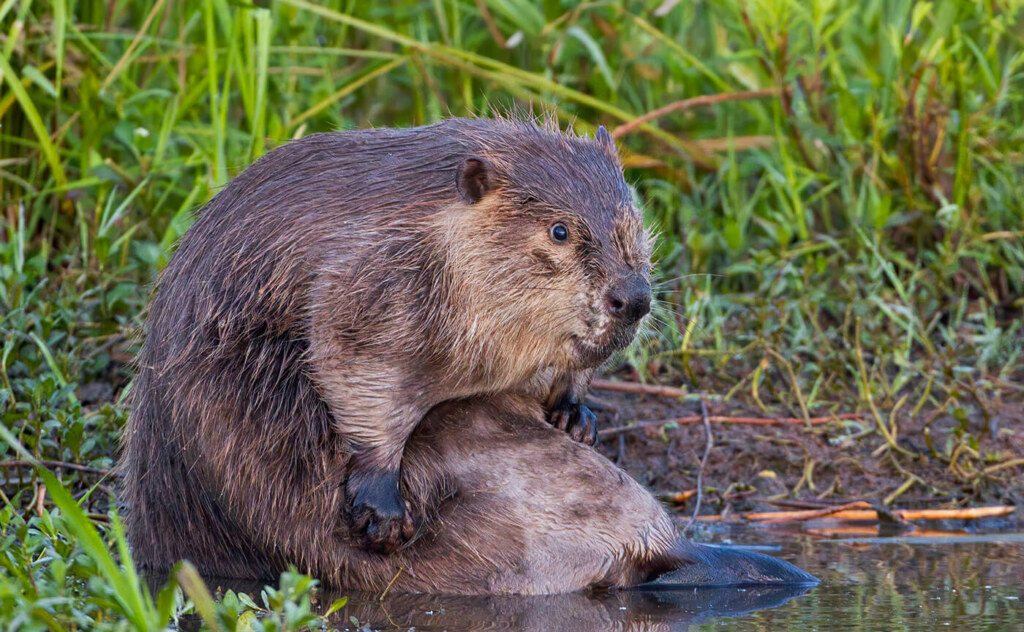
Beaver (Castor canadensis) aren’t particularly iconic down there but they sure have piqued my curiosity. I’m excited by their presence at our Tolay Creek site. It is unusual to have them in our baylands but not unheard of. We are learning more. I would also love to see salmon numbers increase.
KATE FREEMAN, Land Acquisition Program Manager
What science or monitoring work is happening in the Baylands to track biodiversity? Any recent trends?
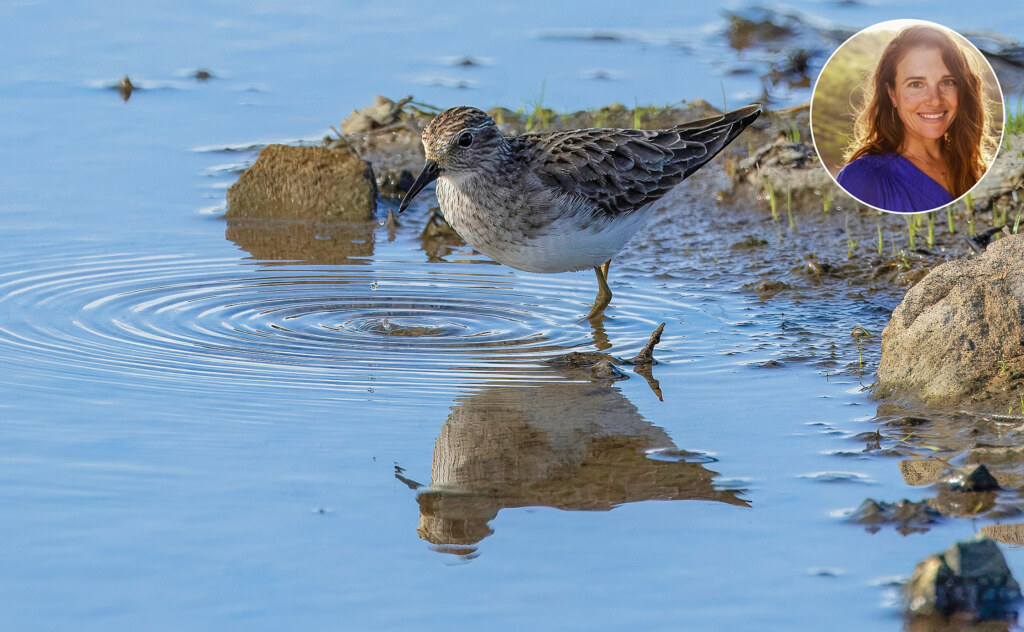
At Sears Point, we’ve been monitoring birds for about a decade, surveying the same locations across seasons and different tides. Across 75 surveys, we’ve recorded 75 species. Ten years of monitoring show that the site supports a diverse waterbird assemblage, and that community composition has shifted as the restored site has evolved. The early prominence of diving ducks, followed by greater representation of dabbling ducks and shorebirds, is consistent with a site transitioning from deeper open water toward shallower water, exposed mudflat, and developing marsh. One striking pattern has been the large flocks of small shorebirds in recent years, especially the spike in 2023. There’s considerable variation from year to year, which is why long-term monitoring is so valuable. We are using the same methods as Point Blue and our work could eventually be featured on the State of the Birds website.
What’s the biggest threat facing biodiversity in the Baylands right now—and what’s the most exciting restoration win happening there?
Habitat loss compounded by sea-level rise. We’ve disconnected so much of this landscape from the tides, and wetlands need room to grow and shift as water levels rise. For me, Sears Point is an exciting example of what restoration can accomplish: reconnecting nearly a thousand acres to the Bay and seeing birds use that habitat. Now we have the opportunity to build on that through the much larger Sonoma Creek Baylands effort, reconnecting habitats across an entire landscape.
What can people do to help, and what species are you personally hoping to see return to the Baylands?
Start by getting to know the Baylands—walk the trails, watch the birds, and learn what’s happening here. People can support conservation and restoration by participating in the public outreach campaign we are about to launch for Sonoma Creek Baylands Restoration Project.
I’d be excited to see restored areas develop into habitat for Ridgway’s rails. We’re already seeing ducks and shorebirds use Sears Point; supporting marsh-dependent species as the vegetation develops would be another exciting chapter.
What iconic Baylands species do you feel a special connection to?
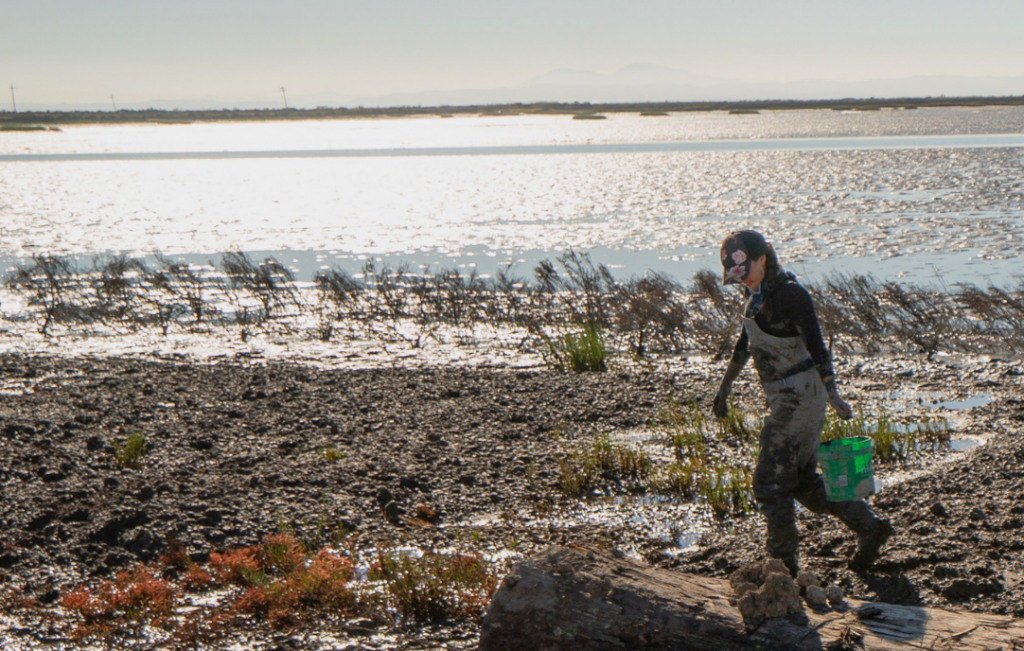
My answer is actually a plant: California cordgrass (Spartina foliosa). Some of my first experiences in the Baylands involved planting it at Sears Point, spending weeks knee-deep in Bay mud. That gave me a personal connection to this landscape and catalyzed my desire to participate in restoration here. Cordgrass helps build the marsh and creates habitat for wildlife, so those individual plants are part of something much bigger.
The Russian River Watershed with Melina Hammar, Land Acquisitions Program Manager (Russian River)
What science or monitoring are you doing in the watershed, and what does it tell us about biodiversity there? Any recent trends?
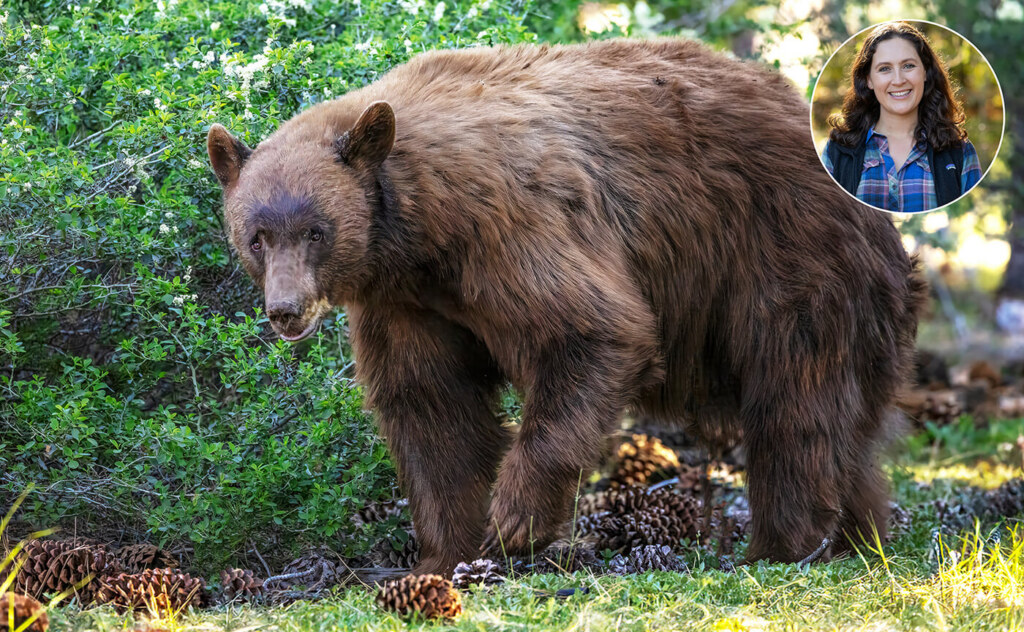
North Bay Black Bear Collaborative bear scat DNA study from 2020-present—Since 2020, we’ve been collecting bear scat across our North County preserves as part of a multi-county study tracking black bear populations across Sonoma, Napa, and Marin. DNA analysis of the samples lets researchers identify individual bears and follow their movements.
Water Conservation and Monitoring—Through a network of groundwater wells and stream gauges across our preserves, we’re tracking how water moves through the landscape before and after storms to guide our work restoring floodplains. In partnership with the State Water Resources Control Board’s Russian River Telemetry Study, we recently installed water monitoring equipment at three of our properties
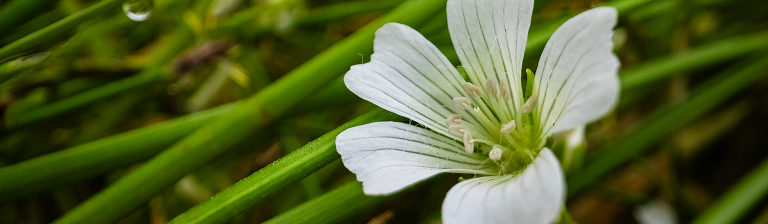
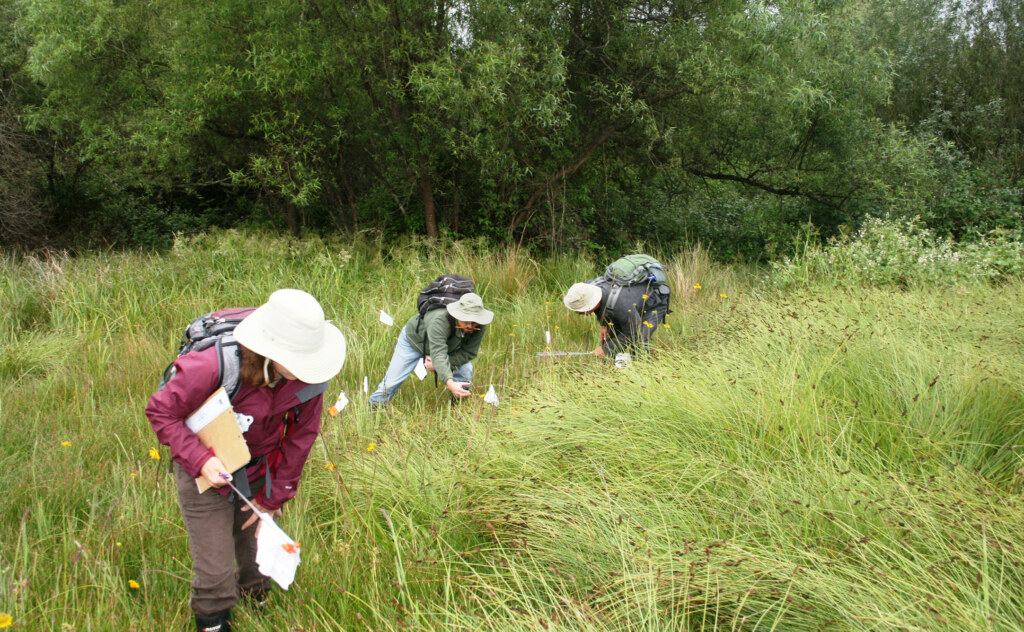
White sedge management (Carex albida)—Pitkin Marsh is home to the last known population of white sedge (Carex albida) on Earth. We monitor and steward the population year-round alongside the Laguna Foundation, managing vegetation and controlling invasive species to give it the best chance of survival. The plant’s status is currently under review by state and federal agencies.
Russian River Subwatershed Conservation Assessment—Coho salmon need cold, flowing water to survive the summer, but right now, many stretches of the Russian River don’t have enough of it. Our new Conservation Assessment maps the entire watershed to identify exactly where protecting or restoring land would have the greatest impact on summer streamflow and salmon survival.
What are you seeing right now, why does it matter, and what needs to happen next?
Water Conservation and Monitoring—We know that our creeks throughout the region are deeply incised so that, during storms, water rushes through, taking soil and sediment with it rather than soaking into the ground, furthering erosion. Using data from monitoring equipment across our preserves, we’re designing restoration projects that slow that water down and let it sink in. The goals are: less erosion downstream, longer periods of water availability for fish, and healthier wetlands fed by a rising water table.
North Bay Black Bear Collaborative bear scat DNA study from 2020-present—Black bears are covering far more ground than anyone expected—one made it all the way from the Mayacamas Mountains to Marin County. As bears continue to search for food and water, they’re crossing busy roads at great risk to themselves and drivers. By mapping the routes they use most, we hope to work with local agencies on wildlife crossings that would benefit not just bears, but every species moving through this landscape.
What can readers do to help protect biodiversity in the watershed, and is there a species you’re personally hoping to see return or flourish?
Readers can connect with us to volunteer on a stewardship workday, join a community hike to learn more about Sonoma County ecosystem, or donate to support land protection and restoration. Another way to help is by observing and reporting species through community science networks like iNaturalist and eBird, participate in Creek Week, and vote to safeguard the protection and stewardship of our natural resources.
I’d love to see salmonids and trout return. Salmonids are such important indicators of watershed health, providing integral benefits to the ecosystem including supporting forest health, food webs, and nutrient cycling. Another species that would require some coaxing but would help maintain these ecosystems is beaver (Castor canadensis). These large rodents were the originators of process-based restoration, and their loss can be felt throughout the western United States.
What species iconic to the Russian River do you feel a special connection to?
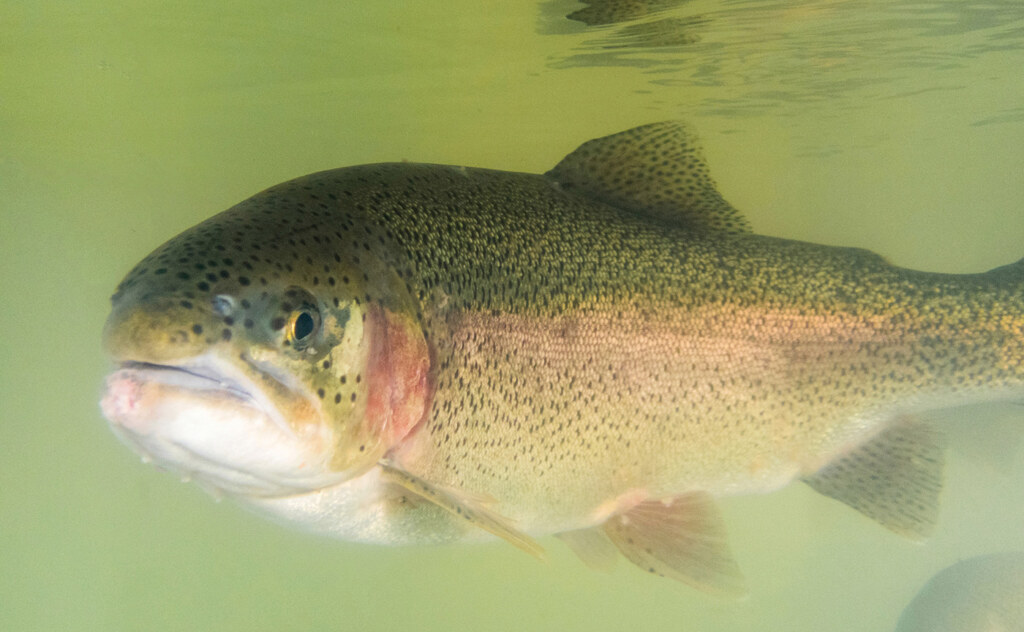
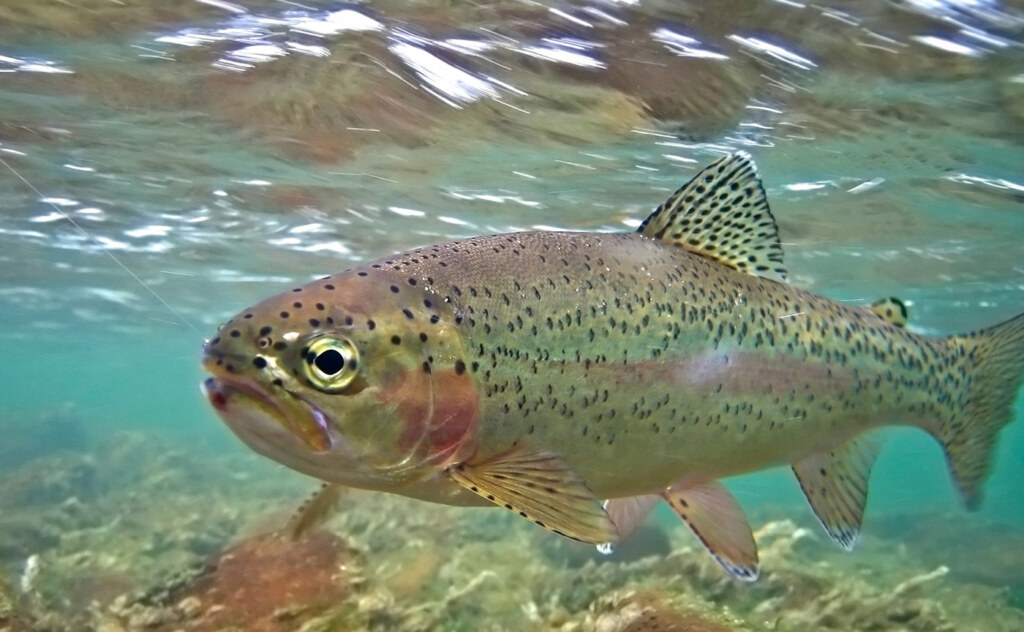
I feel a connection to the steelhead/rainbow trout (Oncorhynchus mykiss) because, although they belong to the same species, they can be differentiated by their behavior. While they are both considered anadromous, steelhead trout are the variant that completes their lifecycle by traveling to the ocean while rainbow trout will spend all their lives within freshwater. The fact that they can have such variation in lifecycle within a species, and that it shows in their morphology (steelhead appear larger and more “silvery”) speaks to their resilience and adaptability. Two characteristics that are necessary for survival in a rapidly changing world.