Blog
How Conservation Council teens use tech as a tool for connecting with nature
Coding for Conservation
Where science is the pursuit of knowledge and the study of how the natural world works, technology is the practical use of that knowledge to build tools and solve real-world problems. Conservation Council brings both together, training young people on the tools that scientists and conservation practitioners actually use in the field.
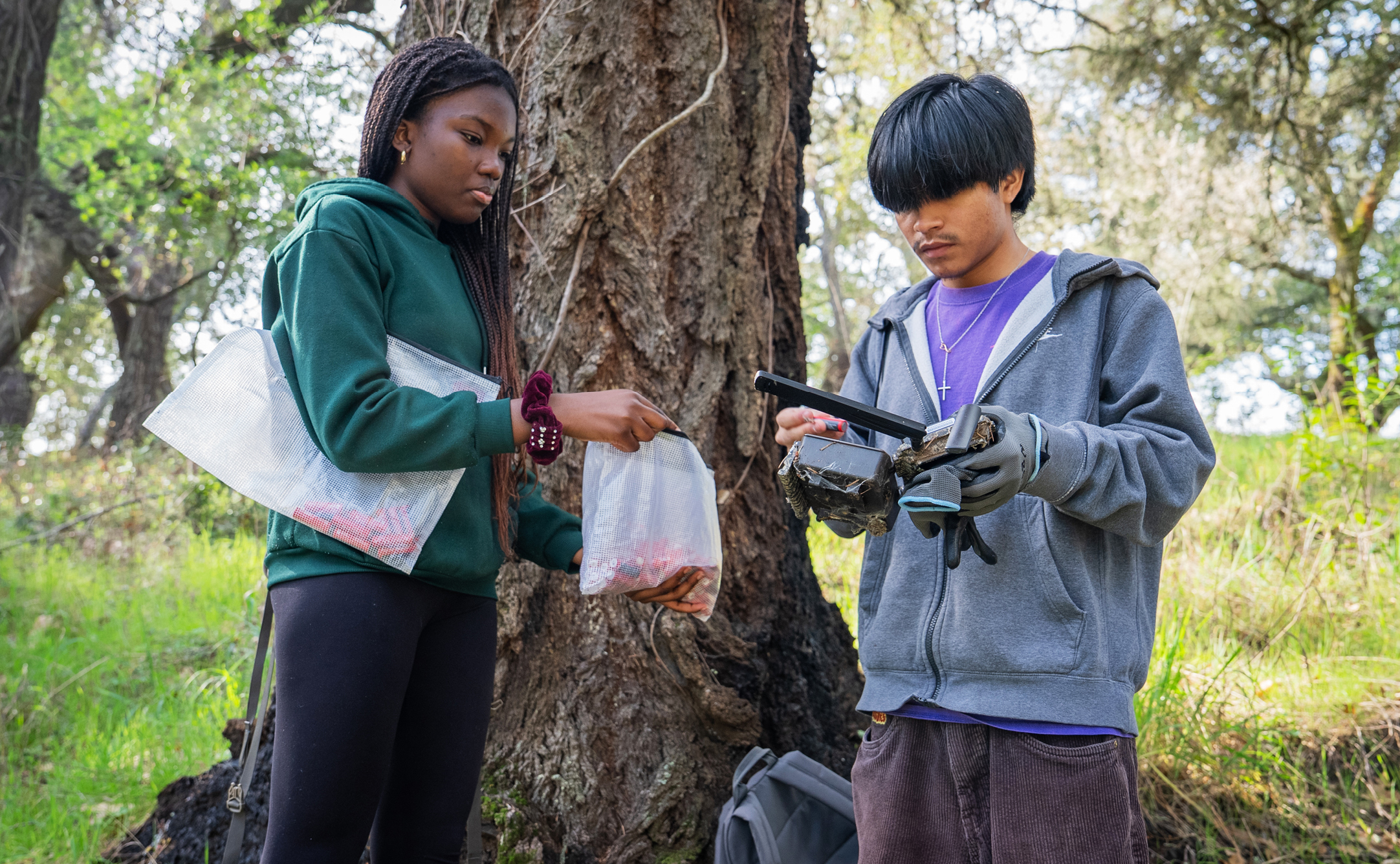
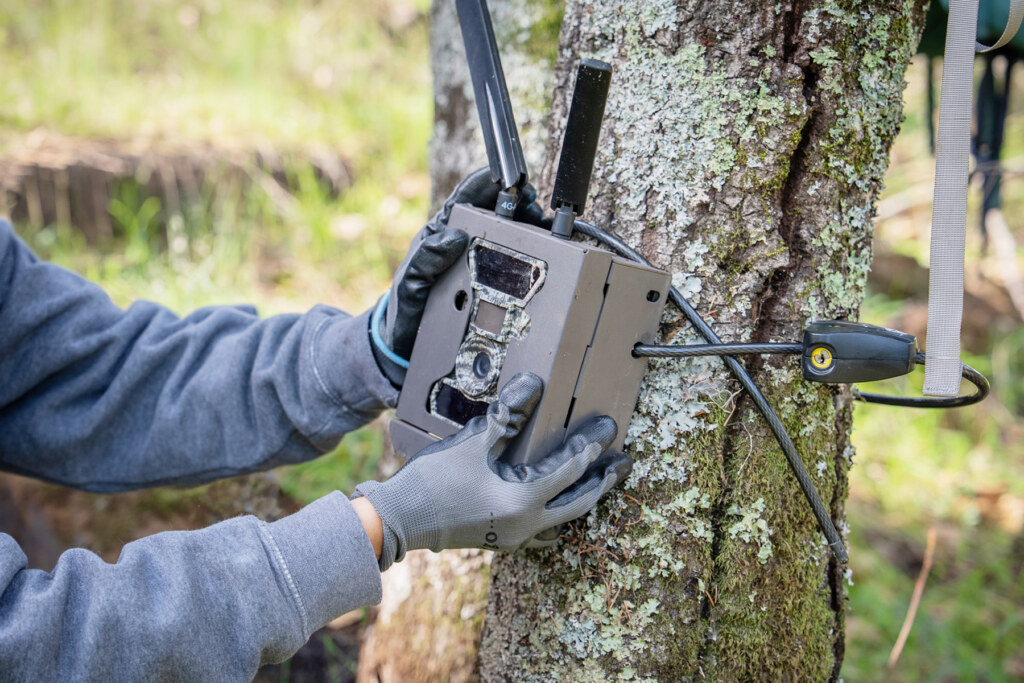
Wildlife cameras are the backbone of Conservation Council’s wildlife research, allowing participants to monitor wildlife activity across the landscape without disturbing the animals they’re studying. But collecting data in the field is only the first step. What happens after the footage comes in is the real meat of the work.
Last year, former Conservation Council member and current Wildlife Team Lead Lucca noticed that his peers were spending a significant portion of their time doing the tedious work of manually entering information like the capture date, time, and camera name for each photo and video collected in the field. Time spent on data entry was time not spent on the more meaningful work of identifying and counting species, which is important information that helps us track species presence and abundance over time, make decisions about wildlife corridors and habitat protection, and build the long-term dataset that informs conservation across the region.
So, Lucca built a solution.
Combining his passion for coding with his love for environmental research, Lucca developed a Metadata Extractor, a software tool that identifies, reads, retrieves, and records embedded metadata from digital files. By reading the internal file structure of each image or video, the tool pulls hidden properties that were once entered manually, automatically, freeing participants to focus on wildlife identification and analysis.
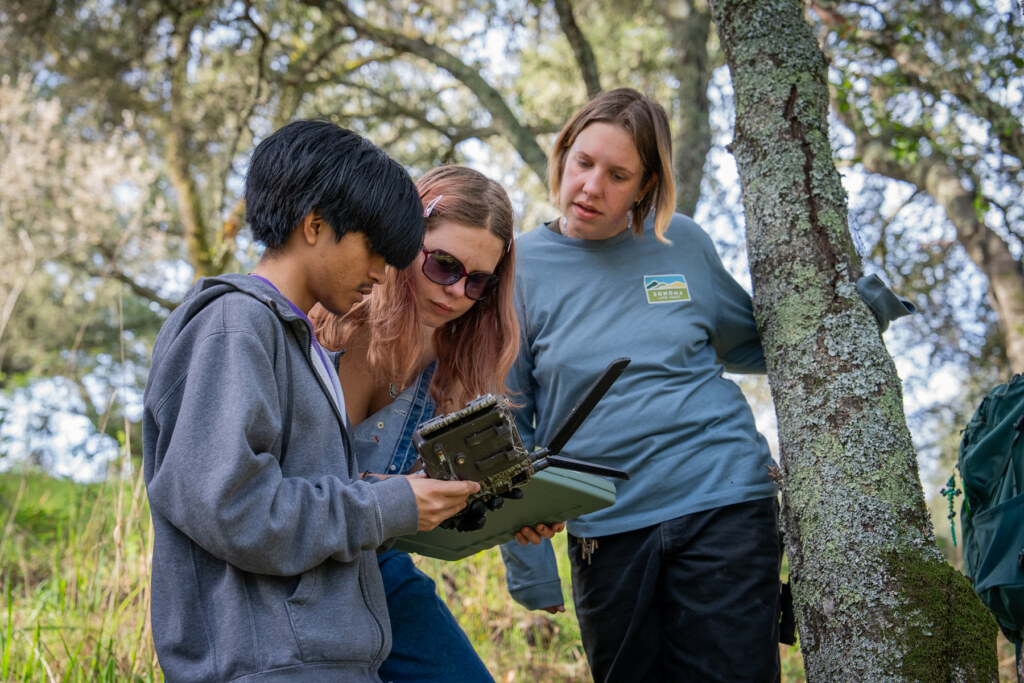
Lucca’s work is emblematic of a broader trend. Today’s students are growing up with digital technology integrated into their daily lives, and increasingly, they’re bringing it with them into conservation. Bilingual youth programs coordinator Kylie Kerr, who works closely with the Conservation Council, is excited to see students merge those two worlds. “Growing up, it felt like you had to choose one path or the other,” she says, “but they’re breaking out of those set avenues and combining their passions.” As for what this signals for the future, Kylie is optimistic. “Technology for conservation is developing so fast—who knows where it’ll be in 50 years?” she says. “I’m excited that they’re not only keeping up with emerging technologies, but that they see its limitless potential as a tool for conservation.”
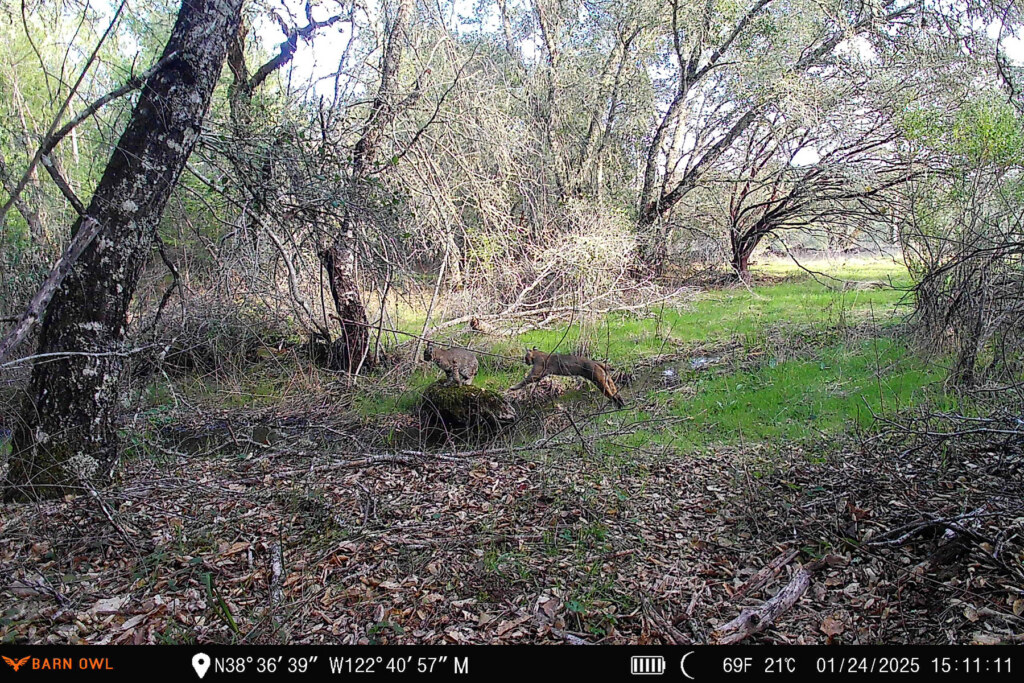
As bilingual youth programs manager Mirella Ramos explains, the tool also addresses a reliability problem. Occasionally, wildlife cameras record the incorrect date and time on both the image and file timestamps. This can happen for various reasons and is a common issue across different brands and models of wildlife cameras. By recovering accurate timestamps, the metadata extractor helps preserve the integrity of the dataset and ensures that wildlife observations can be used reliably for research and long-term monitoring.
“These students are using technology to better understand the ecosystems they are studying while gaining the skills needed to be scientists and conservation professionals,” Mirella says.
“In a world where technology is rapidly changing how we learn and work, Conservation Council shows us that technology can be a tool to support our connection with nature without replacing the experience of being outdoors, making observations, and allowing our curiosity to lead us toward important questions,” says Mirella.