Blog
Where conservation meets infrastructure: the Laufenburg Ranch barn restoration
Contributed by Charlie Wallace, volunteer
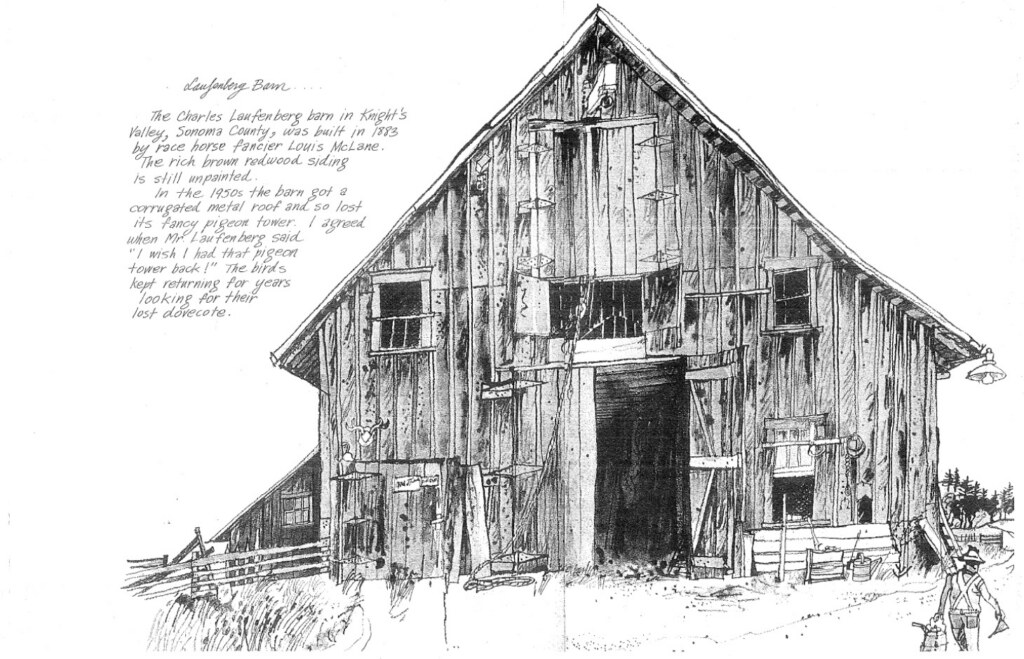
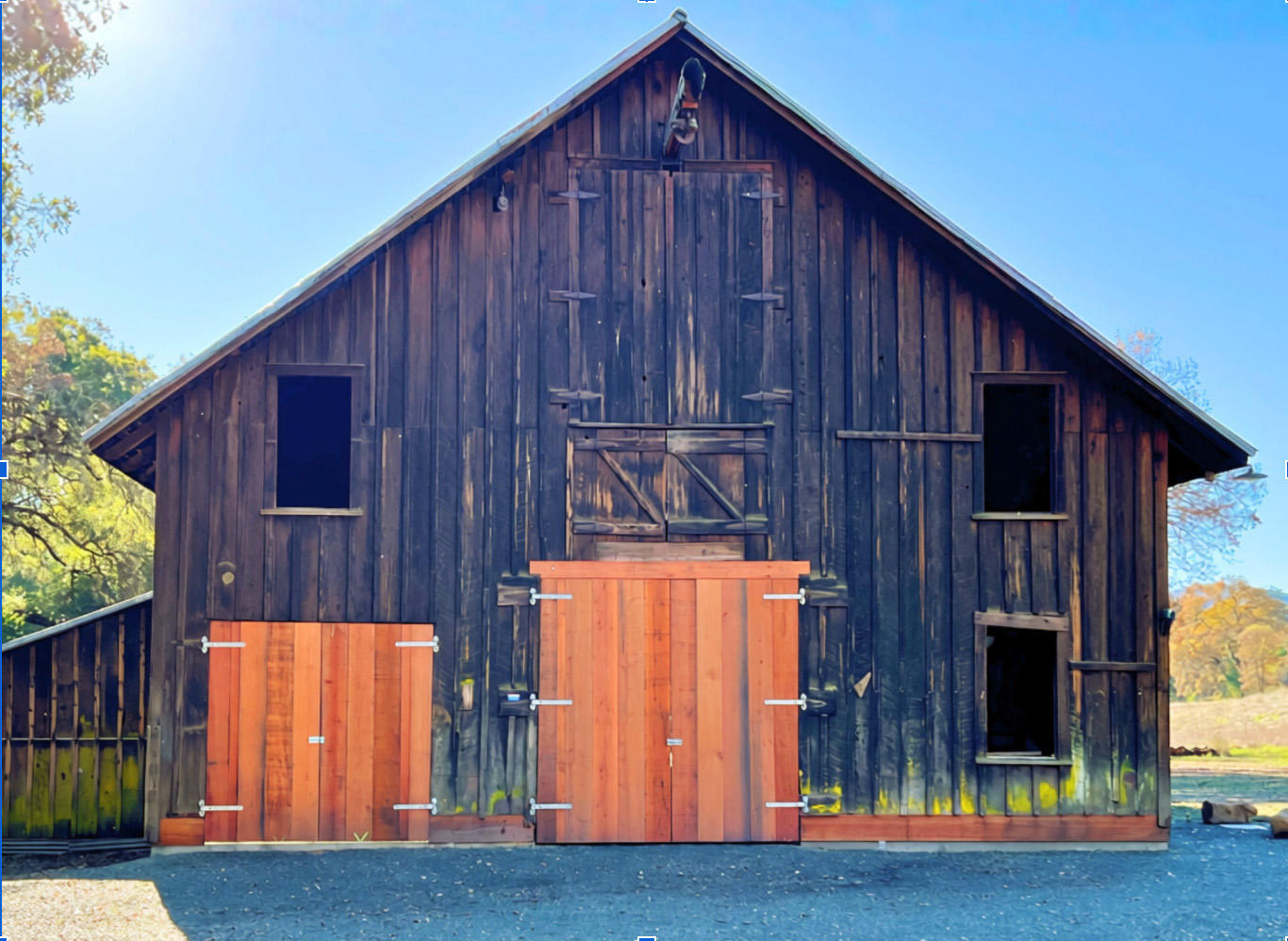
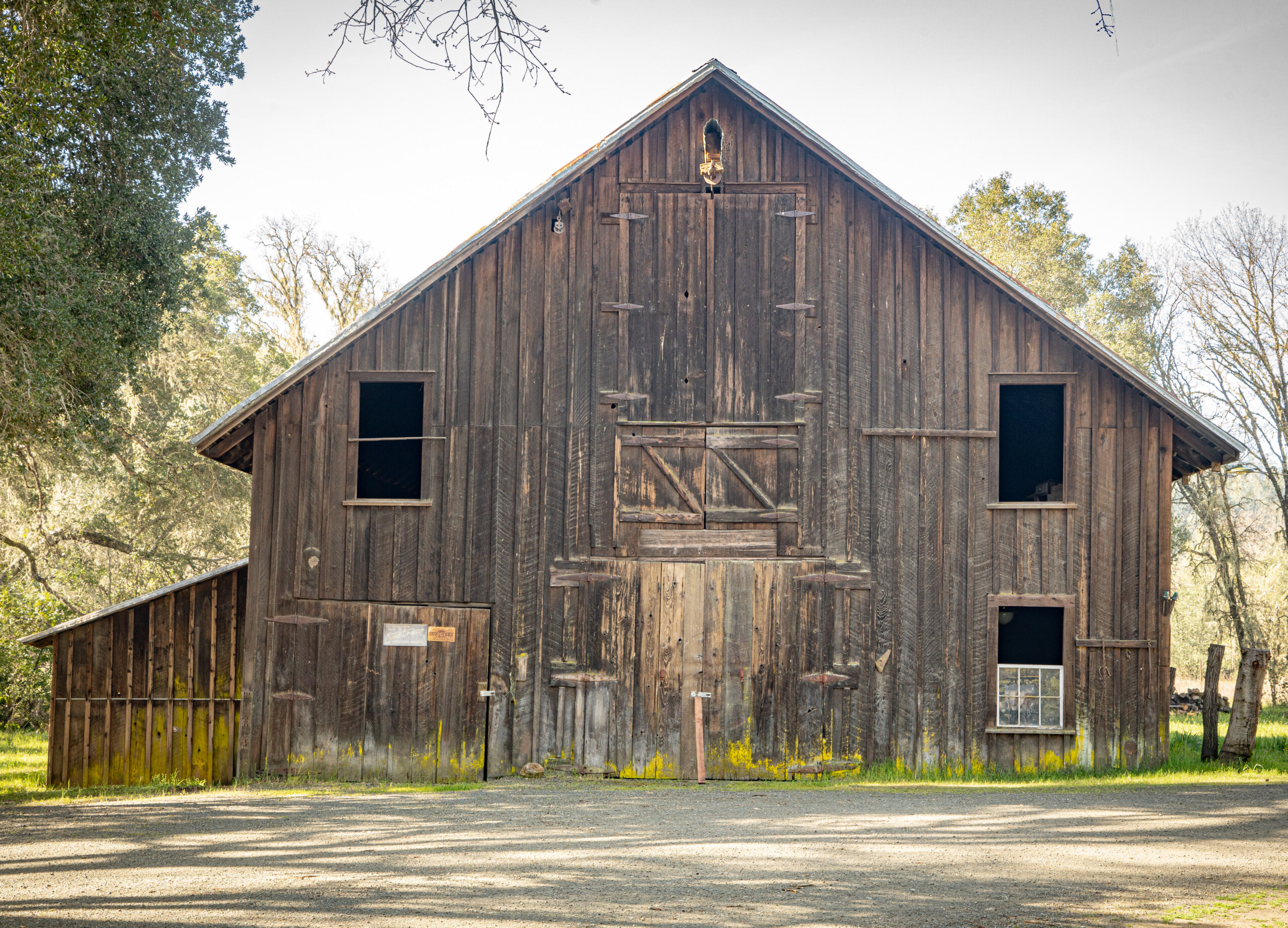
In the world of conservation, the eye-catching work usually involves the grand acquisition of pristine acreage or the reintroduction of a charismatic species. But according to Tom Tolliver, the stewardship manager and infrastructure expert for Sonoma Land Trust, an essential aspect of conservation often looks a lot more like restoring a 140-year-old barn sinking into the Knights Valley soil.
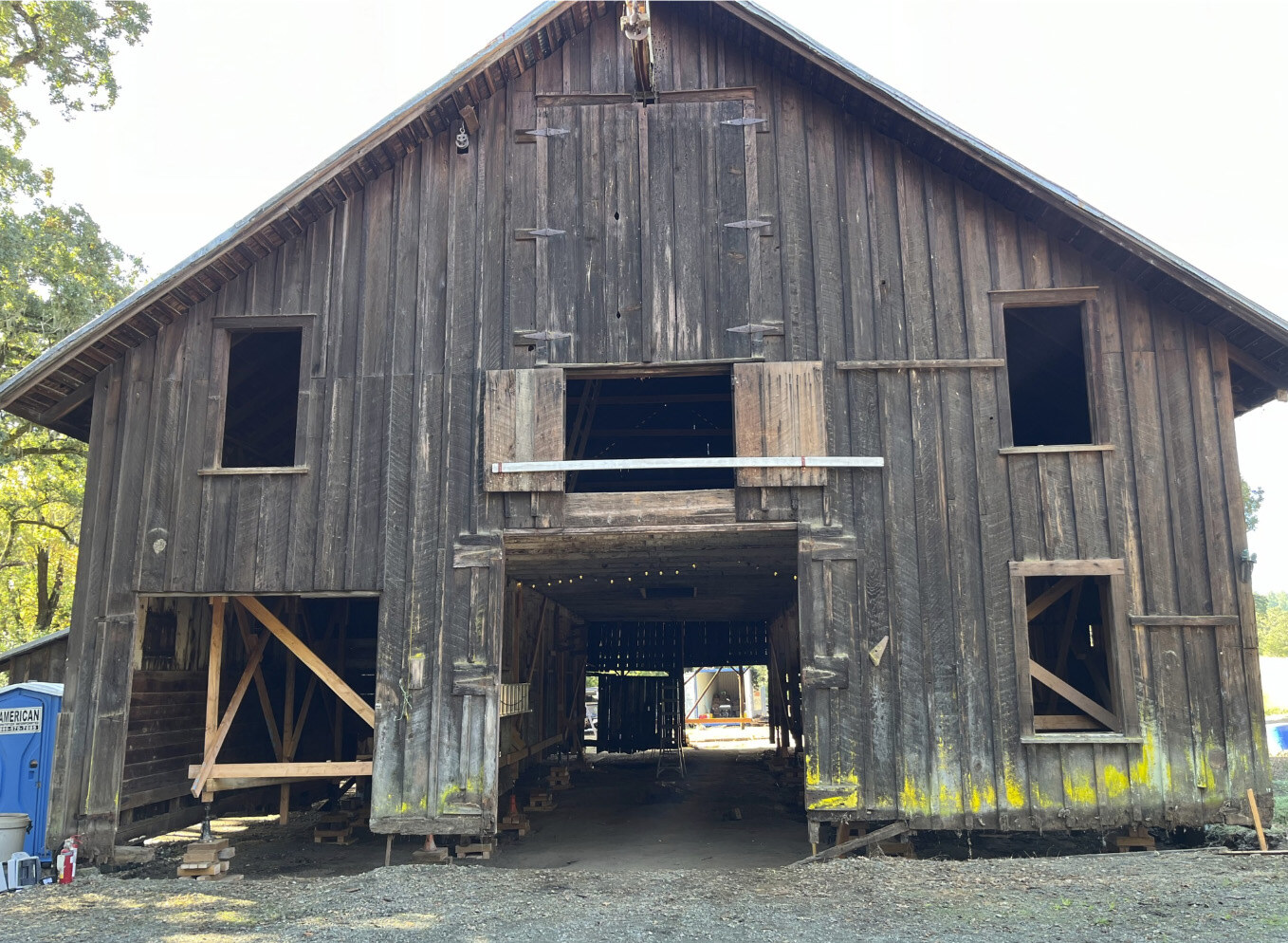
At Laufenberg Ranch, a historic property that has been a community staple for a century, a massive redwood barn was slowly tilting toward the front, victim to decades of slow decay. To the casual observer, it was a maintenance headache. To Tom, it was a critical conservation asset.
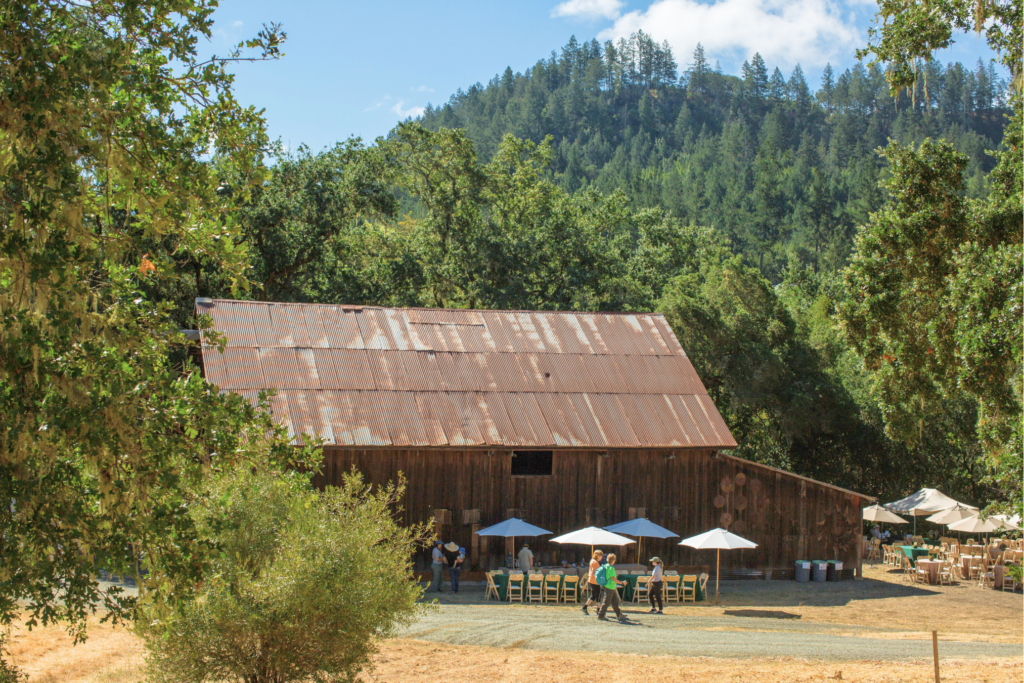
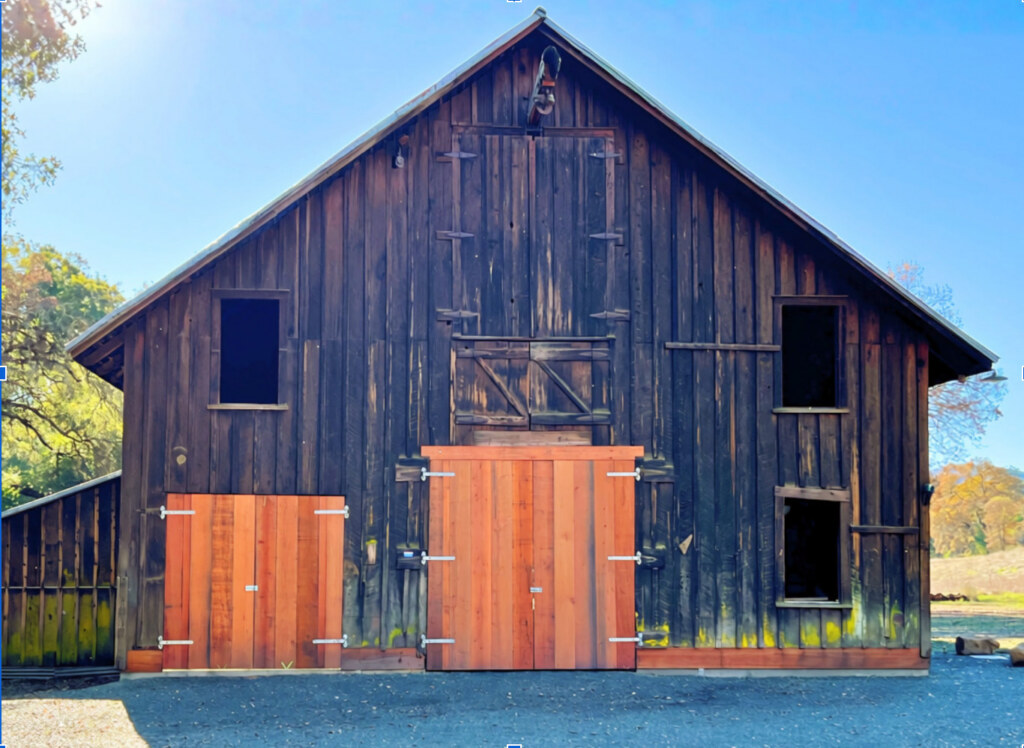
“In the land trust world, it’s always way more interesting to buy properties than it is to hold and maintain them,” Tom explains. But without infrastructure—the miles of fences, roads, and buildings—the work of conservation grinds to a halt. By restoring the Laufenberg barn, the Trust didn’t just save a historic resource; they created a strategic hub that will house the tools necessary for hands-on conservation efforts in the area for the future.
When the barn is stable, it stores the tools needed for stream restoration and forest health. It provides a staging ground for grazing operations that keep the grasslands healthy. Perhaps most importantly, having an infrastructure expert on staff means the Trust’s scientists can focus on “good science-based projects”, rather than dealing with broken pipes or failing roofs, Tom explains.
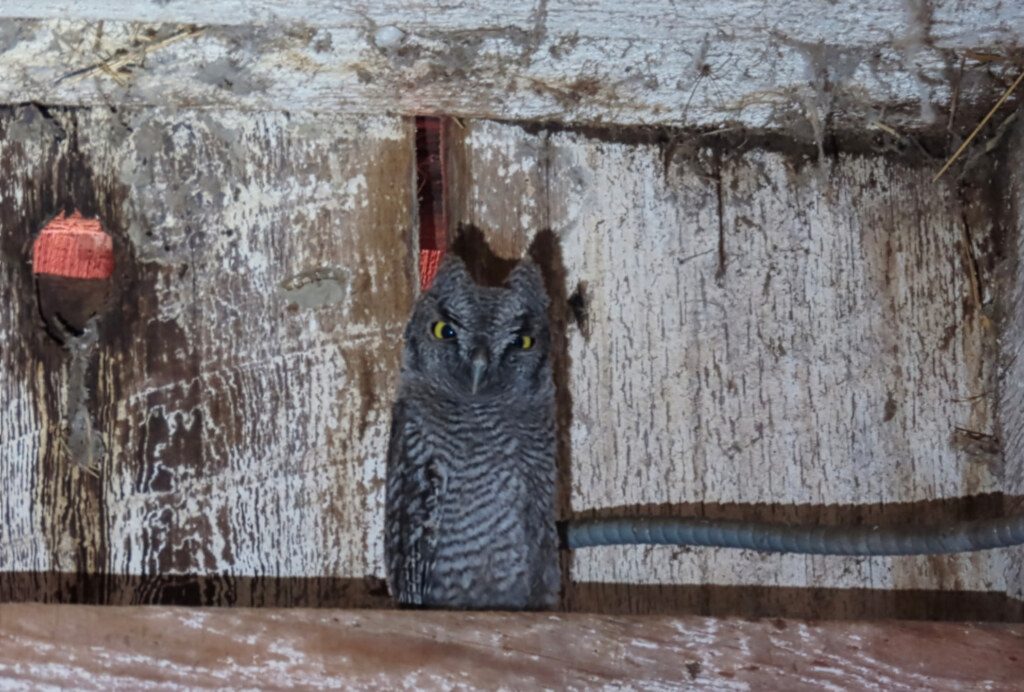
The restoration also highlights an aspect of conservation many overlook: the built environment can be a sanctuary for biodiversity. The project’s timeline wasn’t dictated by contractors, but by bats. Construction couldn’t begin until after the maternal season in late September, ensuring that bat pups could reach adulthood undisturbed. Today, those bats and resident barn owls act as a natural pest control system, a perfect example of why returning natural processes to the properties it holds is such an essential function of Sonoma Land Trust.
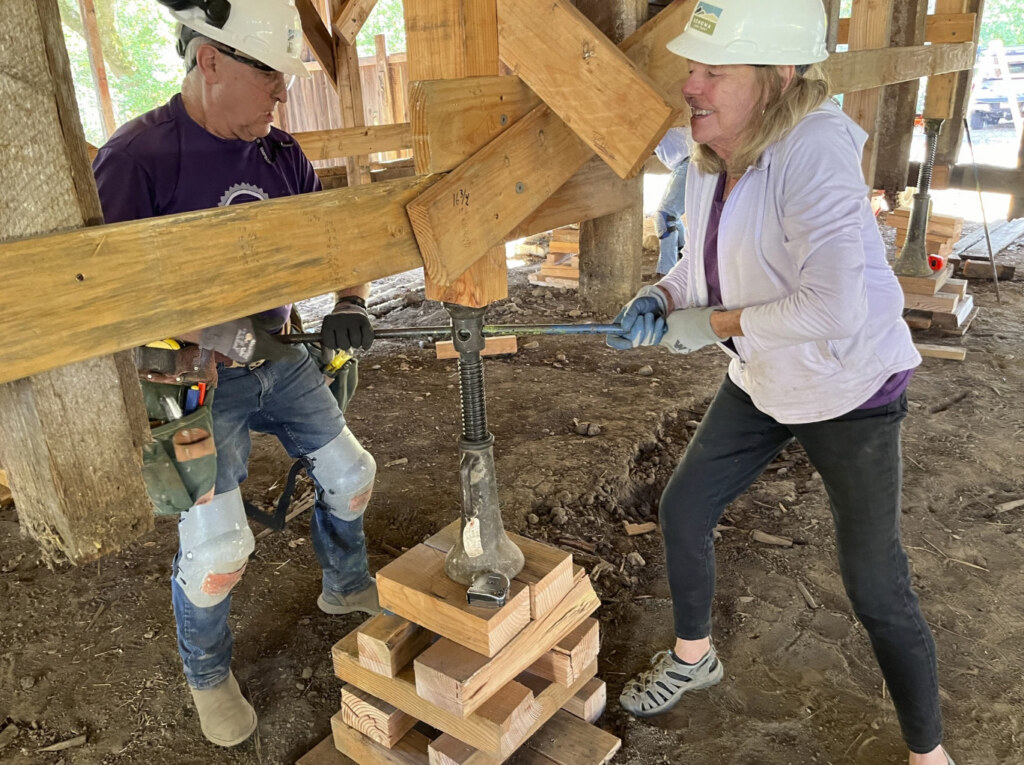
The most powerful part of the restoration wasn’t the concrete or the timber—it was the people. Led by retired engineer and former volunteer coordinator Jim Thomason, a cadre of community members performed the literal heavy lifting, operating the jacks that raised the massive structure two and a half feet into the air.
“They have an ownership stake now,” Tom says. “They can metaphorically put their hand on the barn and say, ‘I’m not going to allow it to fail.'”
For Tom, the barn is also a reminder that every structure on a landscape raises a question worth asking. “We have to find ways to coexist,” he says. “How do we make infrastructure that helps humans in the built environment coexist, but at the same time, what parts of the built environment can we remove or improve that contribute to wildlife passage or biodiversity?” Solutions include working with landowners to install wildlife-friendly fencing—which, like any infrastructure project, requires buy-in from people.
This project serves as a blueprint for Sonoma County residents. Whether you are a private landowner looking at an old shed as a potential wildlife habitat or a neighbor wondering how to help, conservation starts with stewardship.
Membership with Sonoma Land Trust is the “fuel that turns the motor” for these boots-on-the-ground projects, Tom explains. By joining, you aren’t just protecting land; you are ensuring that the infrastructure supporting our local ecosystems stands strong for another 140 years, literally and figuratively. If community-centered conservation can bring us together, we can ensure that the history of our landscape and the future of our wildlife remain structurally sound.