Blog
What’s real, true, and worth protecting
One morning, riding to school through an Orange County neighborhood in Southern California, a young Jim Perry noticed something strange. The orange grove across from his school had been torn out, the trees with oranges still on the branches lying upside down in the dirt. He asked his mother what was happening. “Well, son,” she said, “that’s progress.”
As a kid, Jim wasn’t so sure that’s what he wanted the future to look like. Decades later, that feeling would sharpen to a conservation ethos that helped shape one of the most significant conservation decisions in recent Sonoma County history.
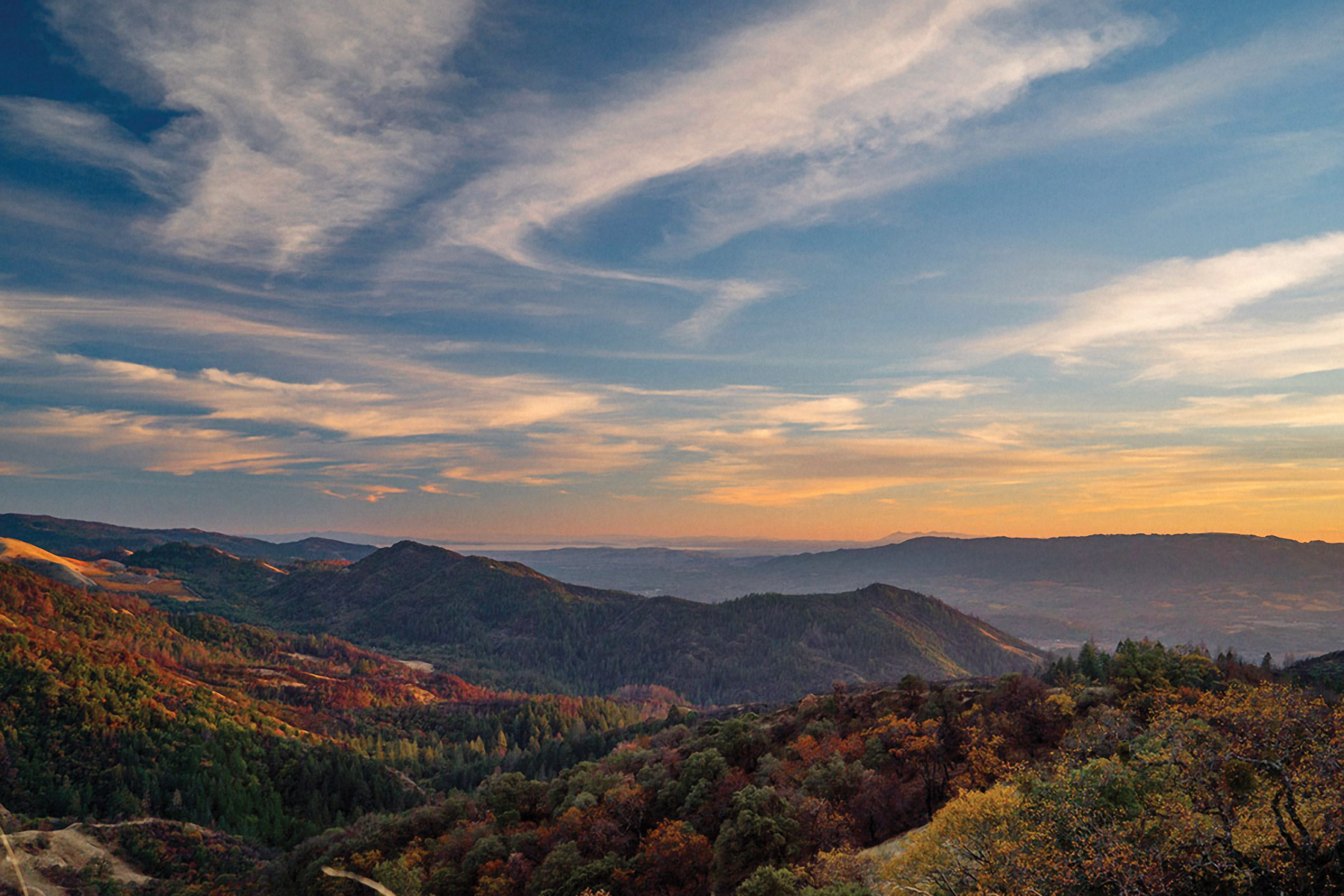
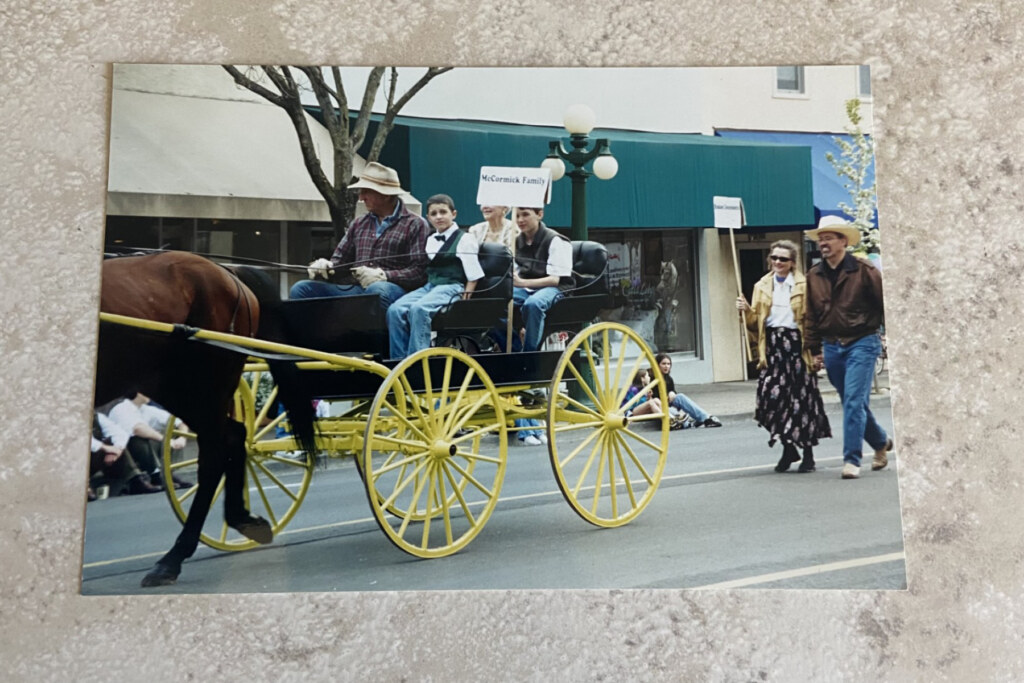
Jim came to Northern California after graduating from the University of Southern California with a degree in finance, drawn to San Francisco by its history and the promise of fewer freeway lanes and trading smog for fog. He built a career in residential real estate, first in the city, then in Napa Valley, and in 1984 met the woman who would change everything. Sandra Learned was a fifth-generation descendant of the McCormick family, who had ranched the rugged Mayacamas ridgeline straddling Sonoma and Napa Counties since the 1800s. “She rode around with her brother on horseback helping take care of sheep,” Jim says, and it was through that hands-on experience that she came to know and love the land. In 1986, Sandra and Jim married.
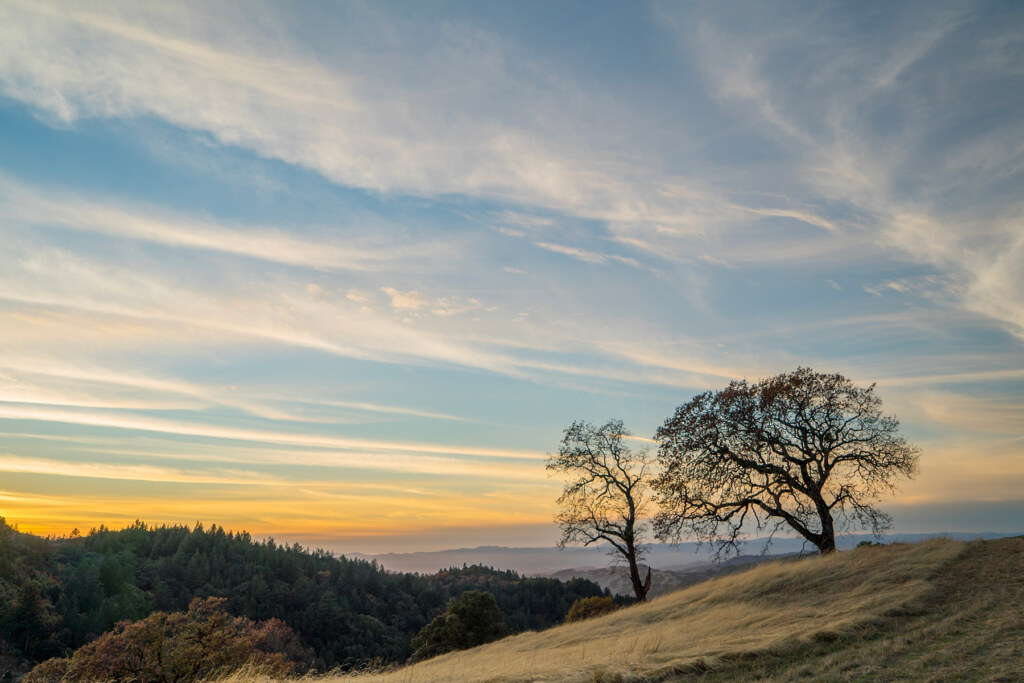
For Sandra, the ranch was more than a beautiful place to call home. “She talked about McCormick Ranch being her sanctuary, her heritage,” Jim says, “and she called it the place she knew to be real and true.” In 1998, with the desire to preserve the lands that she loved, she and Jim worked with Sonoma County Agricultural Preservation and Open Space District to transfer what’s now known as the 1,000-acre McCormick Addition to Sugarloaf Ridge State Park. Sandra also founded Acorn Soupe, an environmental education nonprofit that brought Napa and Sonoma County schoolchildren out of the classroom and onto the land to plant oak trees. “She wanted to get kids outside of the classroom,” Jim says, “to let them get their hands dirty and experience the joy of finding a bug, a butterfly, a pretty flower.” Some of those Acorn Soupe-planted oaks—coastal live oaks now 20 feet high—still stand on McCormick Ranch today, having survived the 2020 Glass Fire that burned 95% of the property.
“She wanted to get kids outside of the classroom,” Jim says, “to let them get their hands dirty and experience the joy of finding a bug, a butterfly, a pretty flower.”—Jim Perry
When Sandra passed away in 2015, Jim faced a choice about what to do with the last parcel of the ranch the family still owned. The original ranch was 2,800 acres, but after the sudden deaths of Sandra’s father and brother in 1975 left Babe and Sandra alone to manage it, parts were sold off over the decades—500 acres to private buyers in 1980, a couple hundred more to neighbors, and the 1,000-acre McCormick Addition in 1998. What remained was 654 acres, the wildest and most unspoiled stretch of the ranch, and the one piece still in the family’s hands. But for Jim, whether or not to protect it was never a question.
Both Sandra and her mother, the formidable “Babe,” who ran the ranch for decades and readily dispatched rattlesnakes herself with a gun and a shovel, had been committed to preserving the property. “It was a pretty easy decision for us to go conservation,” Jim says, “rather than trying to just sell it off to a big buyer—who knows what they would do with it.” Jim and his and Sandra’s sons, Scott and Cole, were in unison.
The deal took seven years to close, marked by a state grant that fell through and a thorny access easement requiring agreements from four neighboring landowners. Through it all, Jim says, the partnership with Sonoma Land Trust held firm. He worked closely with land acquisition director John McCaull to solve each challenge as it came up. “We were in constant contact trying to take care of the details,” Jim says. “He’s a wonderful guy, and we are still friends to this day.” When Jim finally secured the last access agreement, he called John. “You did it!” John said. They closed the deal shortly after.
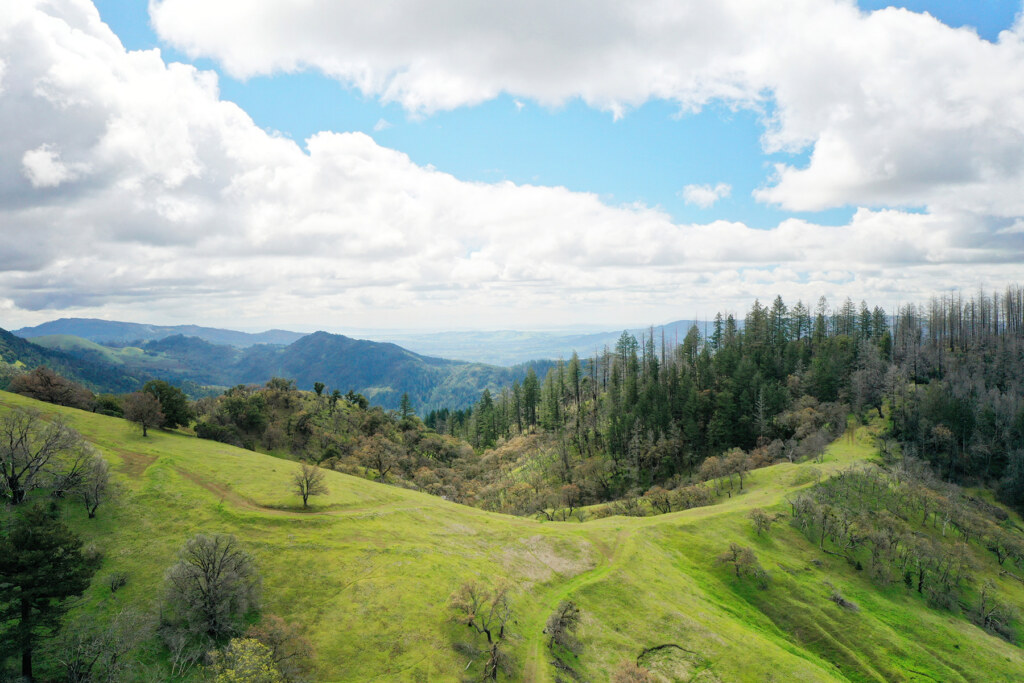
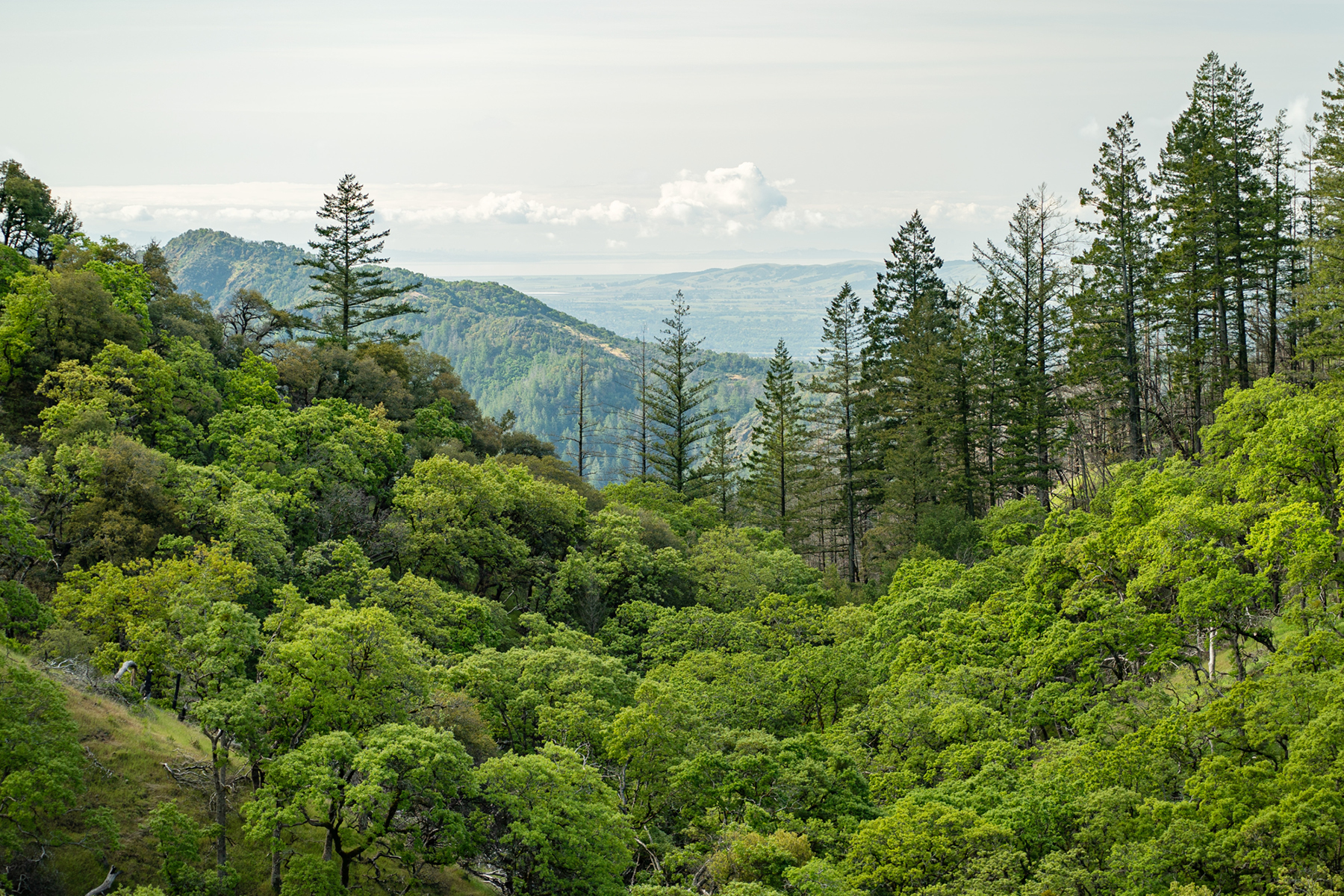
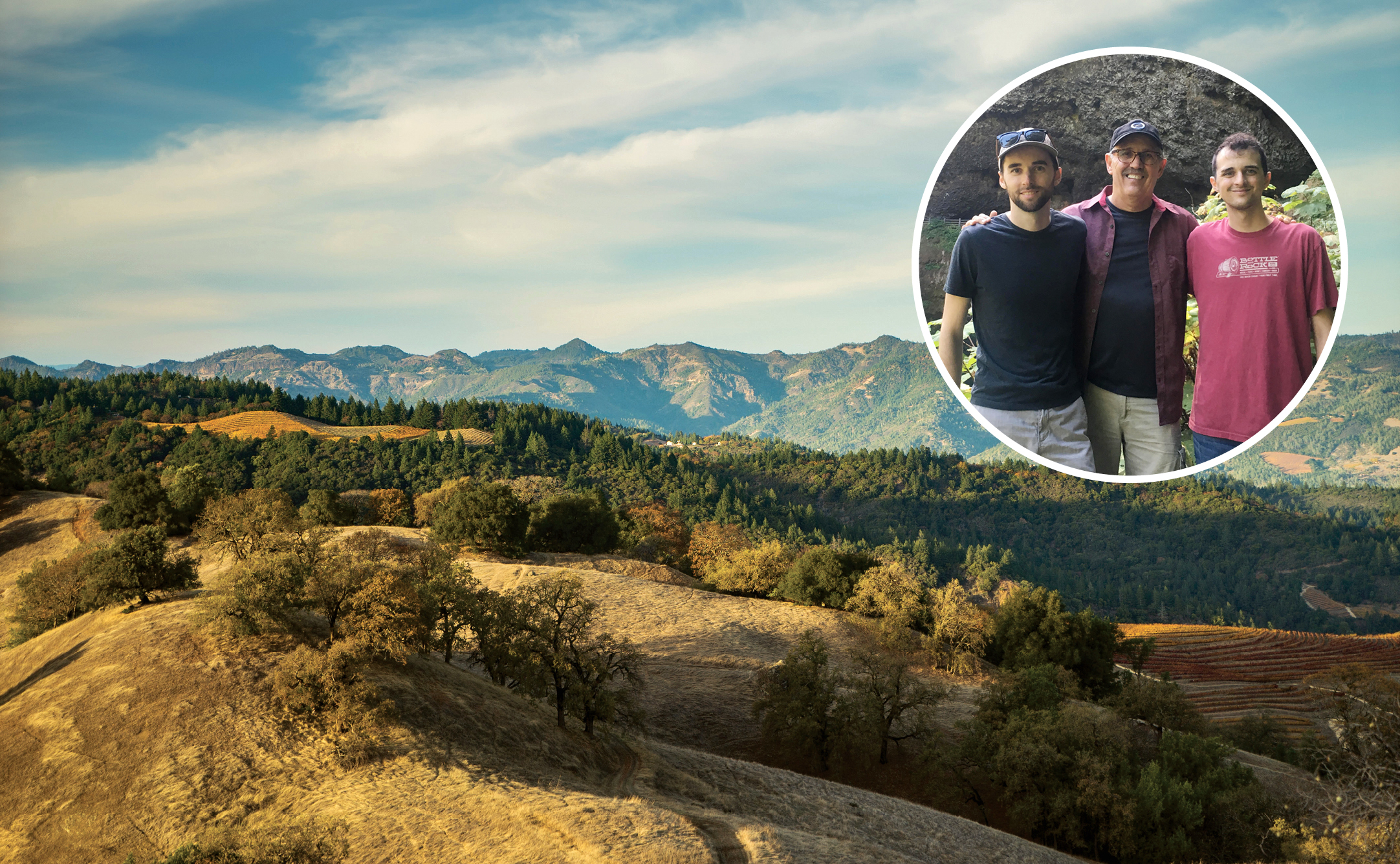
The 654-acre McCormick Ranch is now part of the Hood Mountain Regional Park system, directly connecting it with neighboring Sugarloaf Ridge State Park where Jim remains involved as a volunteer trail monitor. He hopes to see trails open to the public soon and dreams of a Bay Area Ridge Trail connection linking the property through 12,000 acres of protected open space.
While Jim’s connection to the outdoors started young in a rural Southern California he watched slowly disappear, it was Sandra, and her deep, lifelong bond with the land, that solidified that into conviction. “That’s hard to explain to people, especially with the internet and all the video games,” he says. “It’s hard to tell them, ‘Hey, there’s a lot of good healthy benefits to getting out there and just connecting with the land, connecting with nature.'” That’s why he’s so passionate about creating opportunities for people to get out on the land and experience it for themselves.
As for what Sandra might think of the ranch’s new chapter, Jim doesn’t hesitate. “She would just be over the moon,” he says. “The ranch has been very generous to seven generations of family. And I think it’s a happy ending—and it’s not an ending,” he adds, “but a great win-win for everybody.”