Blog
The birds of the West 9th St rookery
Contributed by Carolyn Johnson, President of Madrone Audubon Society
What is all the ruckus about?
If you have found yourself on West 9th Street in Santa Rosa lately, you likely have noticed activity in the median where two large eucalyptus trees are growing. Large white birds dart about in the trees. There is whitewash all over the ground and a temporary fence in the median. You might see people along the sides of the street looking upward.
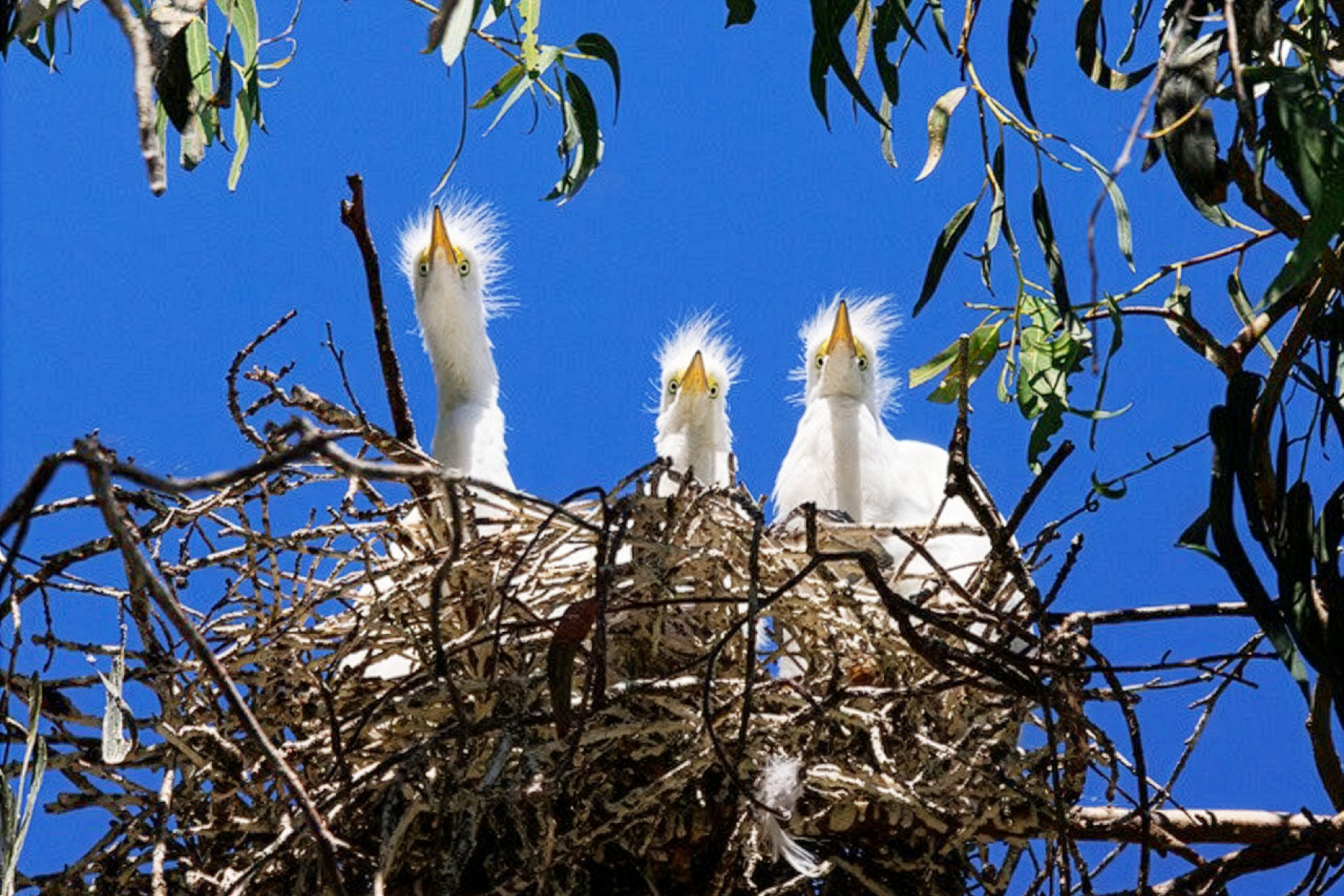
Those people are witnessing a special annual phenomenon where four bird species are nesting in the huge trees: Great Egrets, Snowy Egrets, Black-crowned Night Herons, and Cattle Egrets.
This Spring marks the 14th year Madrone Audubon Society (the Sonoma County chapter of National Audubon) has conducted its heron rookery protection and rescue project in the median of West 9th Street in Santa Rosa. A rookery is a large communal colony of breeding birds who nest together, primarily for safety against predators. The importance of this rookery cannot be overstated—it is the largest in the North Bay, some years holding almost 300 nests.
Over the years this group of herons and egrets has chosen one nesting site after another. In each case they have been chased out. Trees have been cut down to prevent them from nesting, they have been harassed and driven away. After several tries, they found the large trees on public property of Santa Rosa.
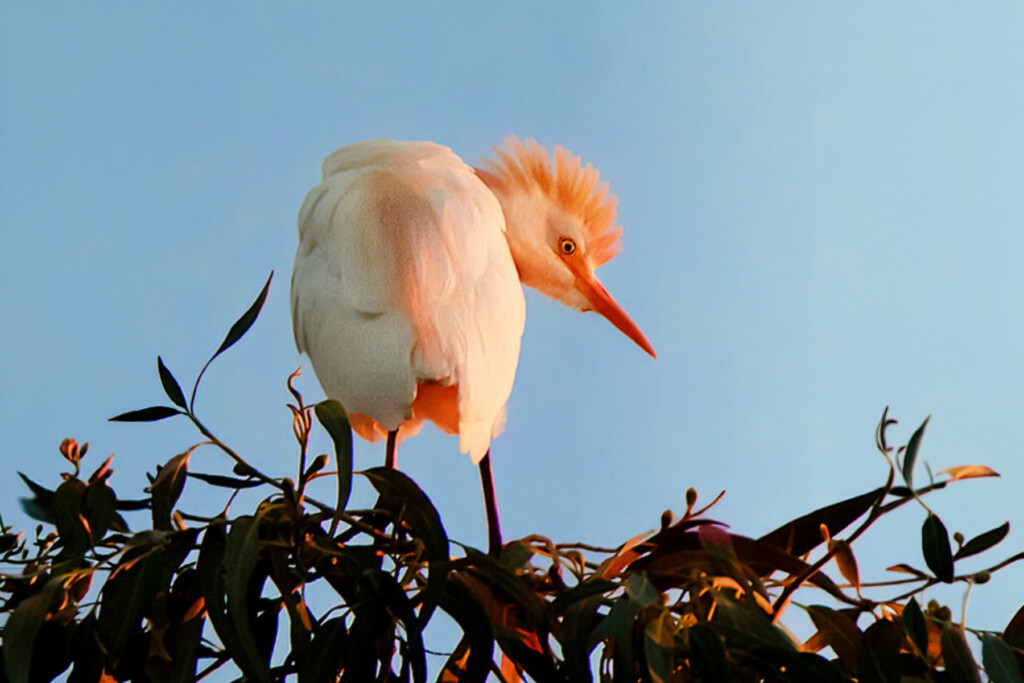
Why did the birds choose these trees? The rookery is well located to meet their needs. The adjacent Santa Rosa Creek provides an important corridor through which the birds can travel to the open hunting grounds of the wetlands of Laguna de Santa Rosa, where the birds will feed on most anything that moves: fish, frogs, crayfish, insects, and gophers.
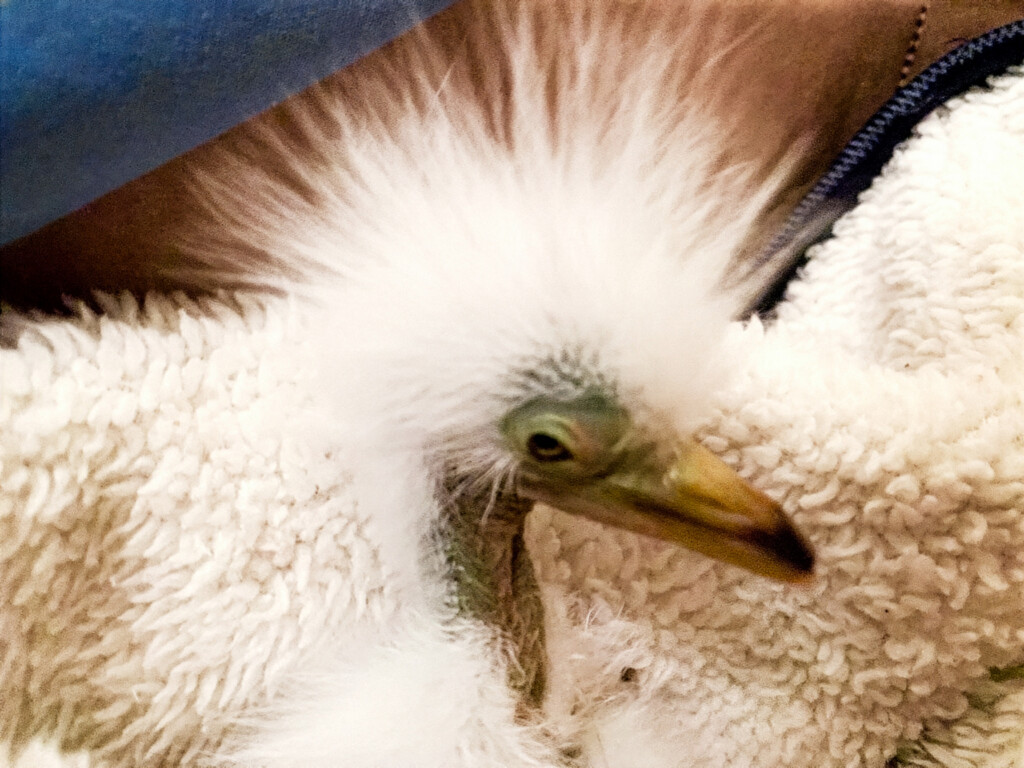
In this very large nesting “condominium,” it is common for some nestlings to haphazardly tumble from the nests. That is a big problem for those youngsters as the street is a very busy one. Madrone has devised a way to protect and save the youngsters. With permits from the City of Santa Rosa, the median is fenced to contain the birds, and stacked straw is laid down under the trees to soften the chicks’ landings. Volunteers are essential in making this endeavor a success.
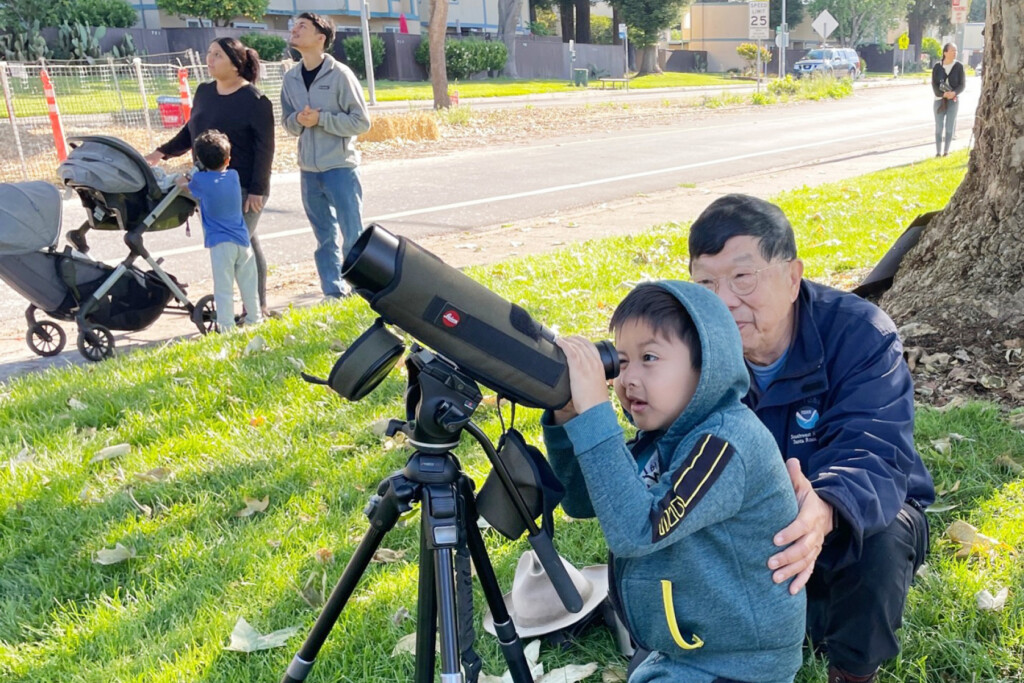
In collaboration with Bird Rescue Center, rescuers collect the downed birds, assess and treat injuries, feed and often transport them to International Bird Rescue in Fairfield—a rehabilitation organization specializing in water birds of all sorts and set up to handle the significant volume of birds coming from the rookery. Already this season we were able to rescue more than 50 downed chicks!
All that activity creates a great deal of squawks, grunts, groans, and screeches from the eager young while adults fly in and out of the trees, bringing them food. You can witness the raucous activity on West 9th Street during nesting season, ending in late August. To support Madrone’s work at the rookery, visit their website: madroneaudubon.org And to learn how you can volunteer email tbomari@gmail.com or madroneaudubon@gmail.com