Blog
Songbirds and white wines go together
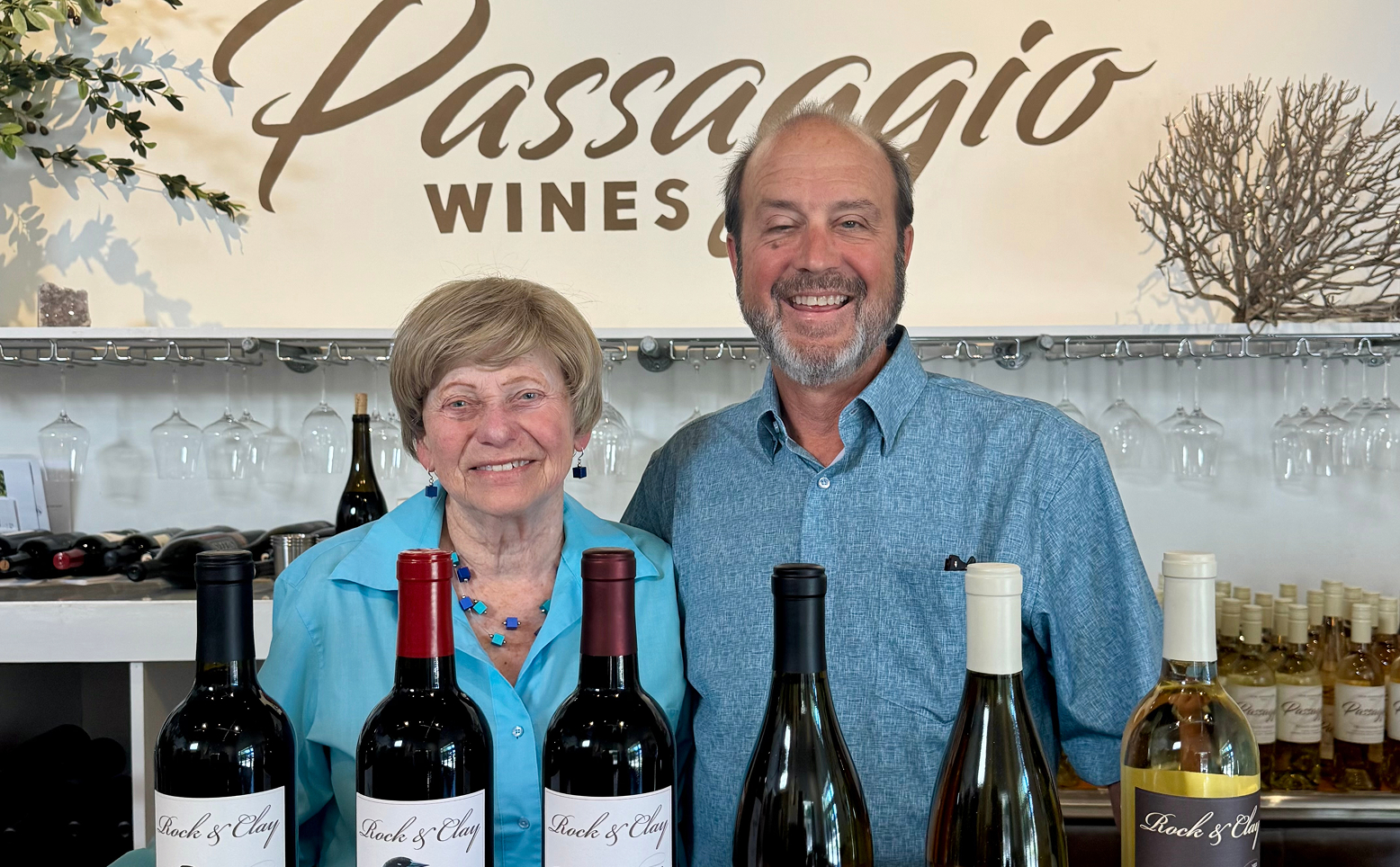
Kent and Carol’s Rock and Clay label is a testament to a simple but powerful idea: farming doesn’t have to fight nature—it can work with it. Blending a love of science, a deep reverence for nature, and a passion for winemaking, their story is grounded in a commitment to sustainable agriculture and an appreciation for the wildness that can thrive in vineyards managed with care.
Kent and Carol’s deep love for nature began long before their winemaking days. Hiking has been a source of peace, clarity, and renewal for them for many years; it’s also what brought them to Sonoma Land Trust in the first place and inspires their ongoing support of our work.
Kent’s path to wine began early, paired with his passion for science. At UC Davis, he studied enology, a discipline deeply rooted in chemistry and microbiology. Although he ultimately built a successful career in biotechnology, he continued to fuel his passion for wine with hobby vineyard and garage-scale winemaking projects. It was wine that brought Kent and Carol together. She owned a wine shop in Seattle, where they first met. The rest, as they say, is history.
Carol, who studied psychology, found herself drawn to the wine community for its people and convivial energy. Together, they purchased a small vineyard in Carneros, Sonoma, and began to blend their personal and professional passions of science, nature, and delicious wine. Their original vineyard sat on Meadowlark Lane, aptly named for the flocks of Western Meadowlarks (Sturnella neglecta) that sang from the fence posts each spring. The birds, with their cheerful fluting calls, became the symbol of the land’s vitality and an inspiration for the wine label.
They initially hoped to name their wine “Sonoma Meadowlark” but for licensing reasons decided on Rock and Clay.
“Rock and Clay is a reference to the soil,” Kent says. “You can see how vine growth varies within and between vineyards based on soil characteristics. Soil is the foundation of a terroir and the wine it produces.”
Kent and Carol took a natural approach to vineyard management, transformed their four-acre Carneros plot into a vibrant ecosystem. Instead of using synthetic chemicals and herbicides like Roundup, they opted for compost, gypsum (to break up clay soils and displace harmful salts), and natural predators to control pests. The results were immediate and dramatic.
“We stopped using Roundup and had an explosion of ladybugs that wiped out the scale insects,” Kent says. They also installed owl boxes to attract barn owls, a fierce predator of gophers, which can wreak havoc on vineyard roots. One owl family can consume up to 2,000 rodents a year.
Bluebird and tree swallow boxes added another layer of ecological harmony. “They’re wild animals,” Kent says, “but they love the vineyard—lots of bugs to eat and safe spots to nest.”
This integration of wildlife into farming is rare but meaningful. “Birds are wild animals that actually provide a service to a vineyard,” Kent reflects. “It’s a symbiotic relationship between wild animals and farmers.”
Kent’s scientific training has a profound influence on his philosophy. He views soil as a complex substrate shaped by thousands, even millions of years of geological history. In the Meadowlark vineyard, heavy Haire clay soils retained water and salt, stressing the vines. Gypsum helps displace salts and open the soil structure, improving soil chemistry and drainage.
He’s also attuned to the broader environmental concerns of farming in California, particularly water use. “Most people don’t look at water the way a geologist does,” he says. “If you’re drawing from a 500-foot well, that water may have taken 10,000 years to percolate into the aquifer.” He advocates for less irrigation and better practices like dry farming, as was common in California’s earlier winegrowing days.
Although Kent and Carol no longer farm their own vineyard, they carefully source grapes for production of wine under the Rock and Clay label. Each bottle features a Northern California bird illustration by Roger Hall, often a bird associated with vineyard life.
From the owl on their Sauvignon Blanc to the raven on their Malbec-Tannat blend, each bird evokes both a sense of place and their philosophy: wine is not just about grapes, but about the land, the air, the wildlife, and how all of it is stewarded.
We are deeply honored and grateful for Kent and Carol’s generous support of our work to safeguard Sonoma’s natural and working lands.
You can taste their delicious Rock & Clay Wines at Passaggio & Company in Glen Ellen, Thursday through Sunday from 11 am to 5 pm, with live music most Saturdays, or reach out to them directly online at www.rockandclaywines.com.