Blog
Potential to restore a creek and so much more
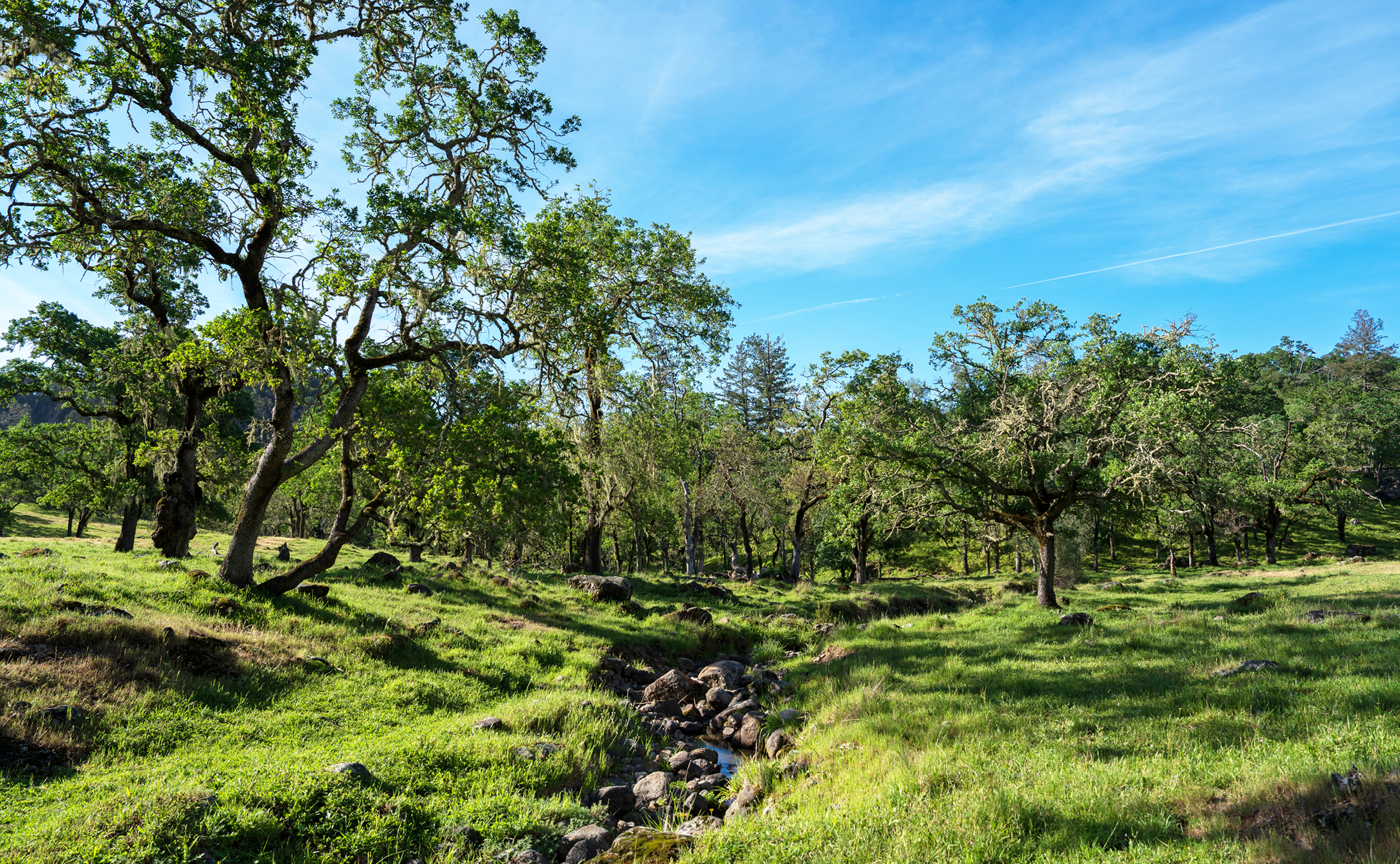
Get to know Mark West Creek
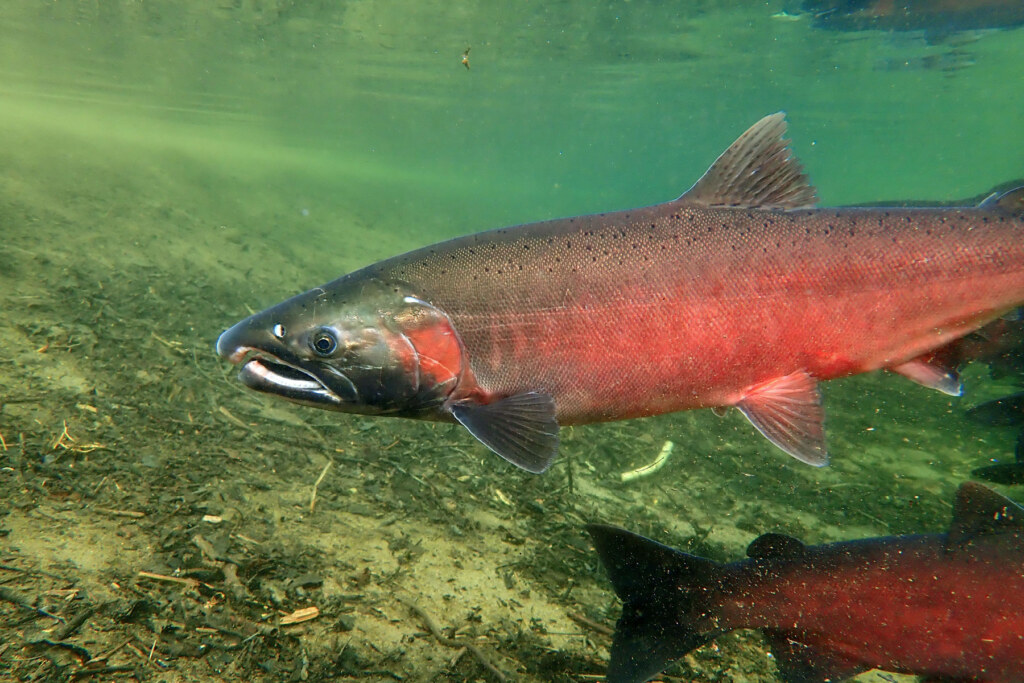
Often when locals talk about the Russian River, they talk about the salmon. But along the easternmost stem of the watershed lies a tributary creek that holds one of the keys to recovering the watershed’s salmon population: an abundance of spawning beds. Sonoma Land Trust now has new opportunities to prioritize Upper Mark West Creek, and through a coordinated, intentional approach to freshwater health, we aim to protect the critical portion of the watershed that could make the greatest impact for salmon.
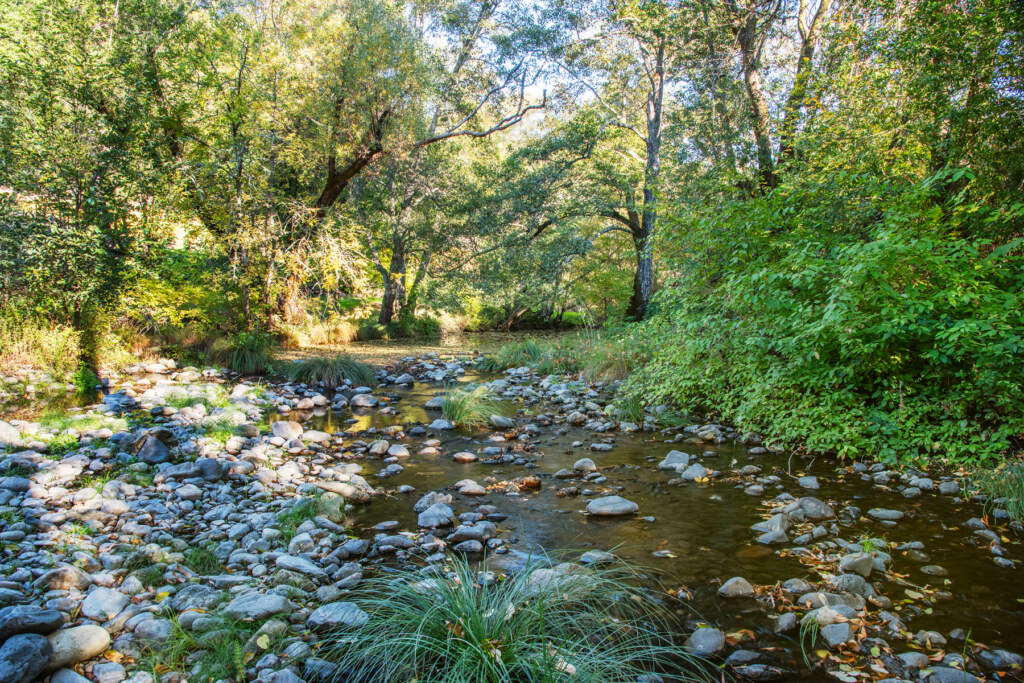
Why Mark West Creek?
Mark West Creek Subwatershed is large, encompassing approximately 59 square miles of land in Sonoma County. Its peaks are in the Mayacamas Mountains and its water flows west through a mosaic of conifer forest, oak woodland, grassland, vineyard, and rural residential land before joining the Laguna de Santa Rosa and ultimately the Russian River. Its 47 miles of streams support coho salmon, steelhead trout, California red-legged frog, and foothill yellow-legged frog, all of which are listed as threatened or endangered species.
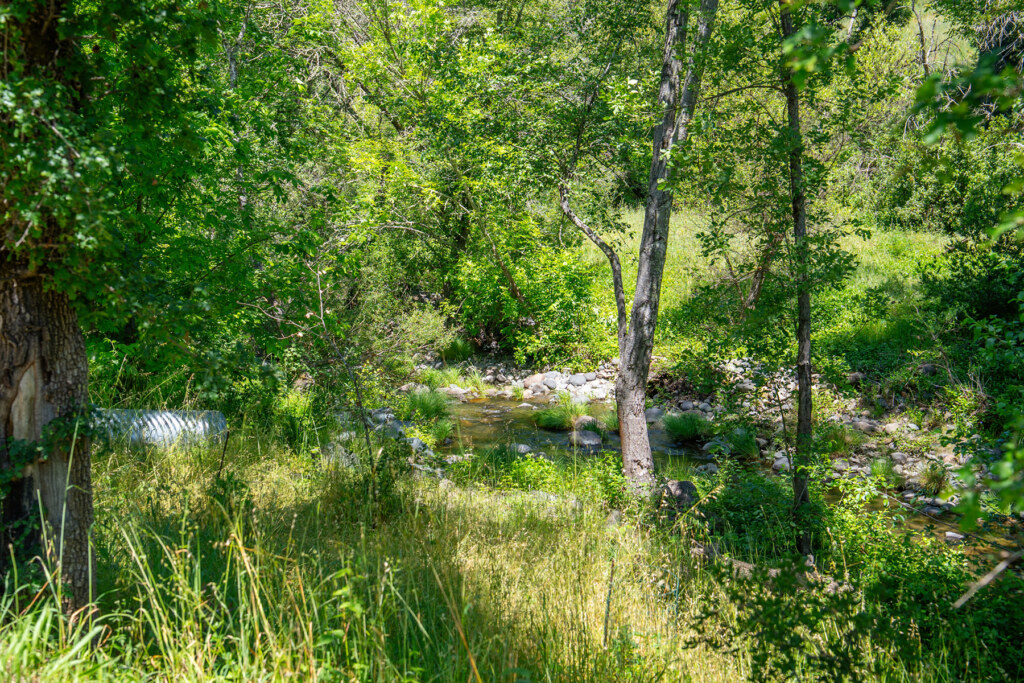
It is also listed as a top-5 priority on a statewide list of 22 priority stream systems identified in California’s Water Action Plan, a statewide effort to protect and restore the waterways most critical to salmon recovery. The watershed is roughly 94% privately owned, which means the decisions that determine its fate are made by the people who live and work there, not by agencies or governments.
What is the plan?
It starts with relationships, education, communication, and awareness. We are actively engaging with landowners in the Mark West watershed to explore conservation easements and land acquisitions that would extend and connect a corridor of protected land from the upper headwaters to the creek’s confluence with the Russian River. The initial response has been positive, and landowners see the value to their lands in the context of landscape-scale conservation. The goal is to think of individual parcels not in isolation, but as a collective of small parts that make up the whole of a larger watershed.
That distinction is important, because in nature, there are no borders. What someone does on one property, regardless of property lines, will eventually flow into the Russian River all the same. Low summer flows are one of the primary reasons coho salmon and steelhead trout have struggled here because streams that run shallow also run warm and can actually become a barrier instead of a pathway. Restoring that flow requires action across many properties, from how water is used to how land is managed along streams.


How to get involved?
If you own land in the Upper Mark West Creek watershed, we invite you to participate in an effort larger than any single property. Together, the land along Mark West Creek forms a watershed where salmon, wildlife, and human communities can all thrive. They just need one thing—water!
We heartily welcome you to join us in keeping this water fresh and flowing! If you are a landowner in the Upper Mark West Creek watershed and are interested in seeing what we can do together, contact Melina Hammar at melina@sonomalandtrust.org