Blog
Member Spotlight: From the Brahmaputra to the Baylands, Brad Hall on waters of the world
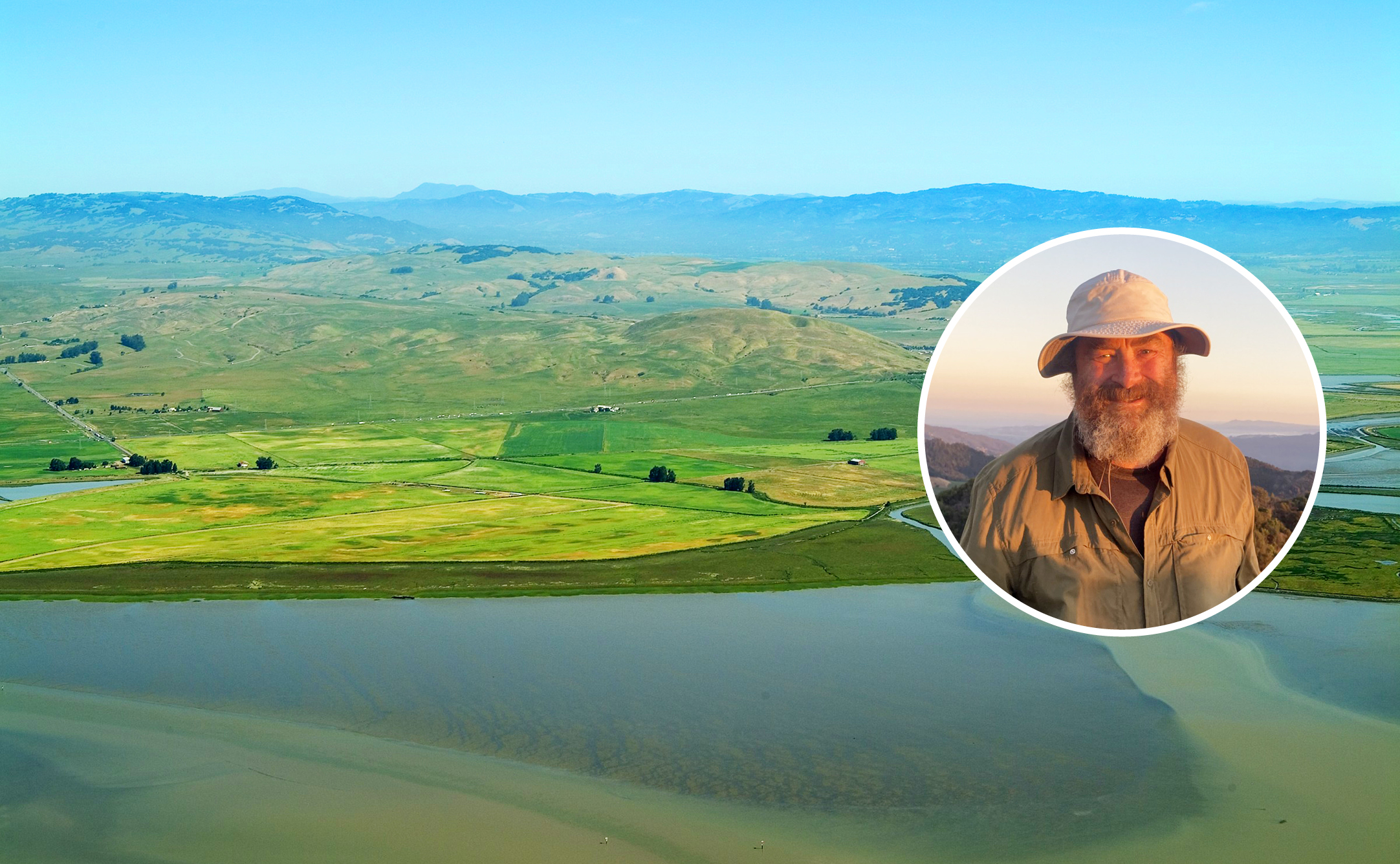
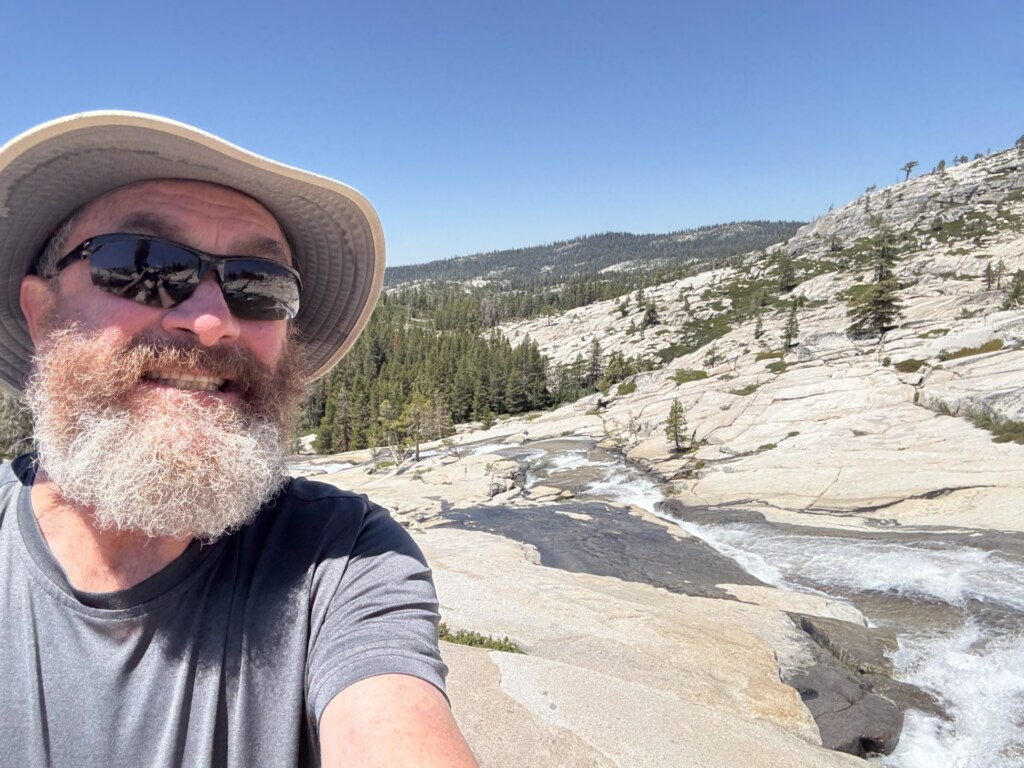
After a globe-spanning, five-decade career studying and working with rivers across four continents, Brad Hall found his way back home to Glen Ellen, the Sonoma Valley creeks he fished as a kid, and the land and waters he’s spent a lifetime in relationship with.
Brad grew up in Glen Ellen in a house on Dunbar Road across from Glen Oaks Ranch, where he spent summers crawling around Calabazas Creek with friends, fishing for steelhead, and hiking whatever land he encountered with an open gate. He remembers the creeks running full with water and abundant with fish, and the nighttime skies and hillsides dark across the landscape. Once he set off for college, life took him on a journey, from graduate school and the Army Corps to a long career with a firm based out of Sacramento that took him around the world. But the house he grew up in stayed in the family, and in 2019, Brad and his wife Jo Ann moved back home to Sonoma County.
Looking back, Brad’s career as a hydraulic engineer makes sense, but like the rivers he’d spend his life studying, the path there wasn’t a straight one. It began at Humboldt State University, now known as Cal Poly Humboldt, where Brad enrolled in the forestry program with vague plans to become a ranger. “It sounded cool, and I’d get to be outside,” he said. But within a short time, he realized he was more interested in natural processes, especially the physical sciences. “I was sort of a math nerd,” he says. He soon found a program called Environmental Resources Engineering that blended civil engineering with natural resource science, which allowed him to spend time outdoors in the field while studying what interested him most. It was the best of both worlds. It was also at Humboldt, in a folk dance class, that he met Jo Ann, his wife of 44 years.
“Jenner Headlands is just a great example of Sonoma Land Trust’s model,” he says. “Finding partners, coming up with the resources, then finding someone to actually manage it; it’s a model that’s really effective.”—Brad Hall
After Humboldt, Brad headed out to the Intermountain West for graduate school at Utah State, where he studied alluvial fans—a river feature formed where a stream meets flat ground—during a dramatic year of flooding on the Colorado River and Great Salt Lake. Then came 13 years with the Army Corps of Engineers, which took him all over the country to do river habitat work in Seattle, research at the Corps’ hydraulics lab in Vicksburg, Mississippi, and a research sabbatical at the University of Minnesota’s St. Anthony Falls Laboratory. He eventually joined Northwest Hydraulic Consultants, based in Sacramento, where he became a partner and spent decades working on projects from the Rio Paraguay to the Brahmaputra River in Bangladesh. On the Rio Paraguay, he analyzed barge navigability for soybean and iron ore shipments out of southwest Brazil. In Bangladesh, he helped develop bank stabilization strategies using geobags—essentially massive sandbags—to implement strategies that hold the river within a defined and sustainable corridor for geomorphic processes but eliminates devastating bank erosion that displace thousands of people every time it dramatically shifts course.
Through it all, his governing principle stayed the same: water flows downhill and rocks sink in water. “You can go to the Brahmaputra River or you can go to the Russian River,” Brad says, “but the physics don’t change.”
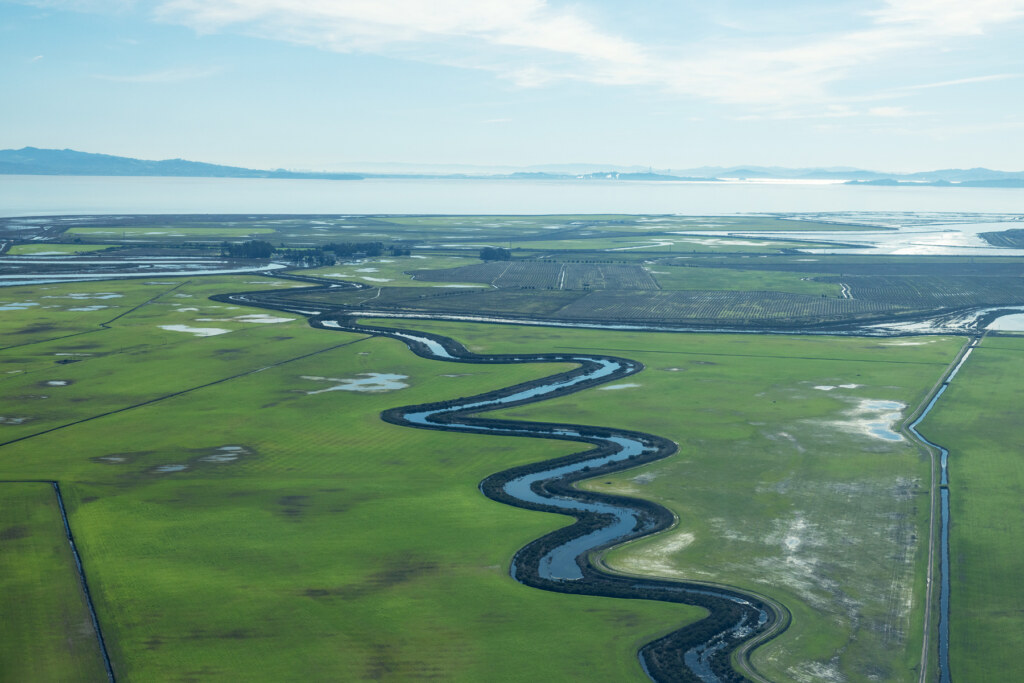
In 2019, Brad and Jo Ann moved back to Sonoma County, and around the same time, Brad began volunteering as a docent at Jack London and Sugarloaf State Parks. Along the way, he learned about Sonoma Land Trust and was drawn to its innovative approach to conservation, and he and Jo Ann have been supporters ever since. “Jenner Headlands is just a great example of Sonoma Land Trust’s model,” he says. “Finding partners, coming up with the resources, then finding someone to actually manage it—it’s a model that’s really effective.”
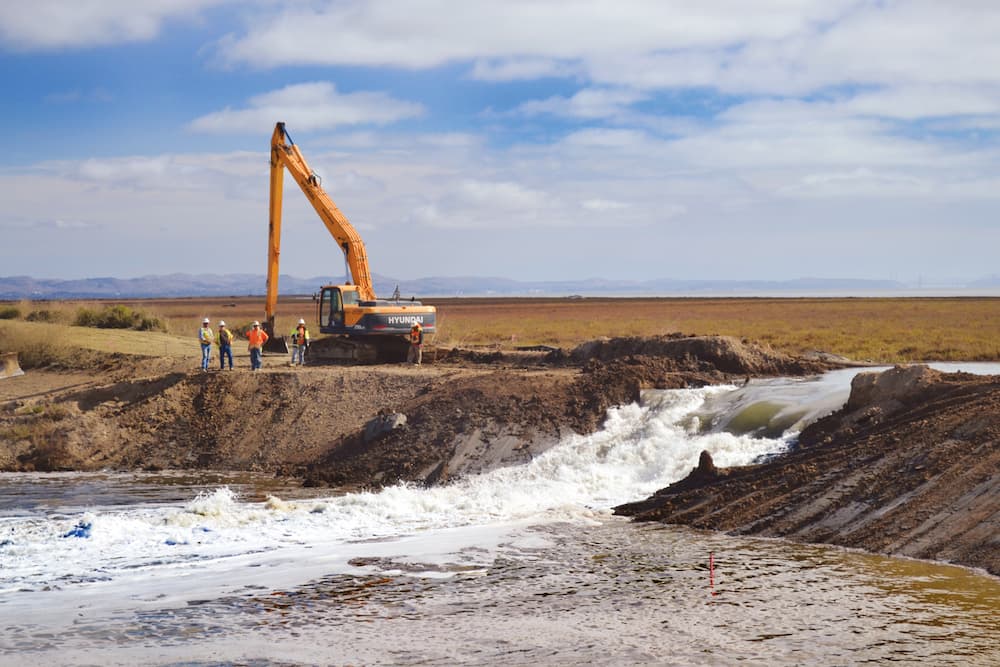
Now in “pseudo-retirement,” Brad currently serves on the technical advisory committee for Sonoma Land Trust’s Baylands restoration project, a landmark effort to restore thousands of acres of tidal marsh along San Francisco Bay. It’s a natural fit; Brad has been thinking about tidal marsh geomorphology since the early 2000s, when he was part of a team studying marsh dynamics in connection with a proposed SFO runway expansion.
Decades of experience with rivers, sediment, and floodplains converge with his passion for conserving the lands and waters he loves—and there’s no better time to do this work than now. “Once open space is gone, it’s gone,” Brad says. “We’re in such a beautiful area. We should appreciate that.”