Blog
How protected lands help buffer against extreme weather
With scientists warning that 2026–27 could bring one of the strongest El Niño events in 140 years, conversations about climate preparedness are accelerating. Most of those conversations focus on emergency response: evacuation routes, go-bags, and insurance for homes and businesses. But there’s a longer-term form of protection also in play, one rooted not in man-made infrastructure, but in the land itself. As human-caused climate change intensifies the frequency and severity of extreme weather events, protected open spaces, when actively stewarded, function as a natural buffer system against the compounding effects of extreme climate events. And the best part, well-stewarded lands do this naturally!
Flood absorption and watershed health
Strong El Niño years bring atmospheric rivers and intense storms that can deluge developed landscapes. Impervious surfaces—roads, rooftops, parking lots—rapidly funnel water into streams, causing flooding and erosion. Sonoma County residents don’t have to look far back for a vivid reminder: between 2023 and 2024, the county saw 211 days of measurable rain. Early 2024 storms caused $3.2 million in damage to county roads and buildings, and a record-breaking November 2024 atmospheric river—over 10 inches in 48 hours—added another $2.6 million, triggering landslides, toppling trees, and damaging critical evacuation routes. By April 2025, Sonoma County supervisors had authorized $5.5 million just to repair six major road segments.
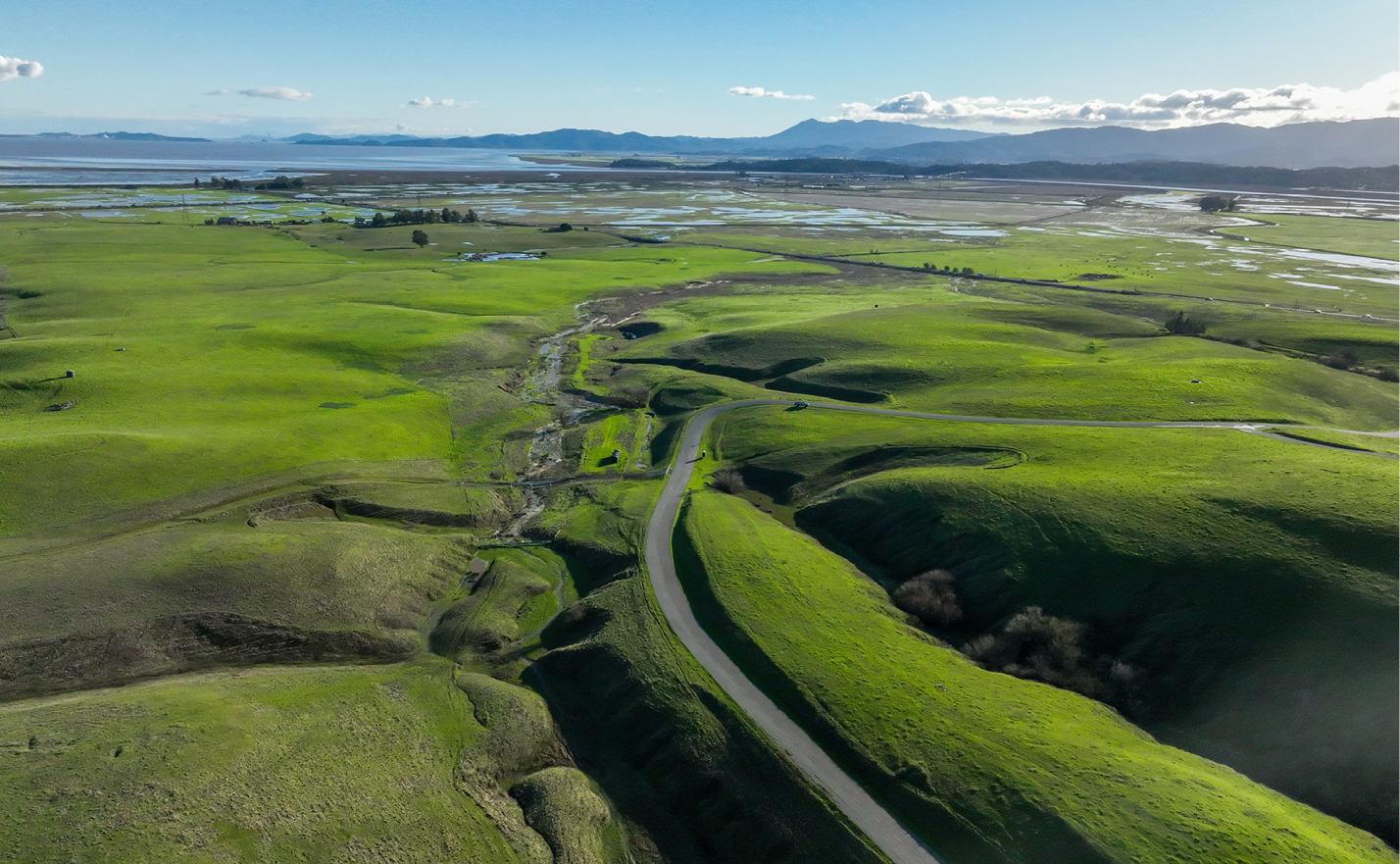
Healthy, intact wildlands do the opposite of pavement. Native grasslands, oak woodlands, and riparian corridors slow water movement, allowing it to infiltrate the soil and recharge groundwater. Root systems hold hillsides in place, reducing the landslide risk that follows saturated soils. Protected lands, in effect, act as a sponge, absorbing the surge before it reaches communities downstream.
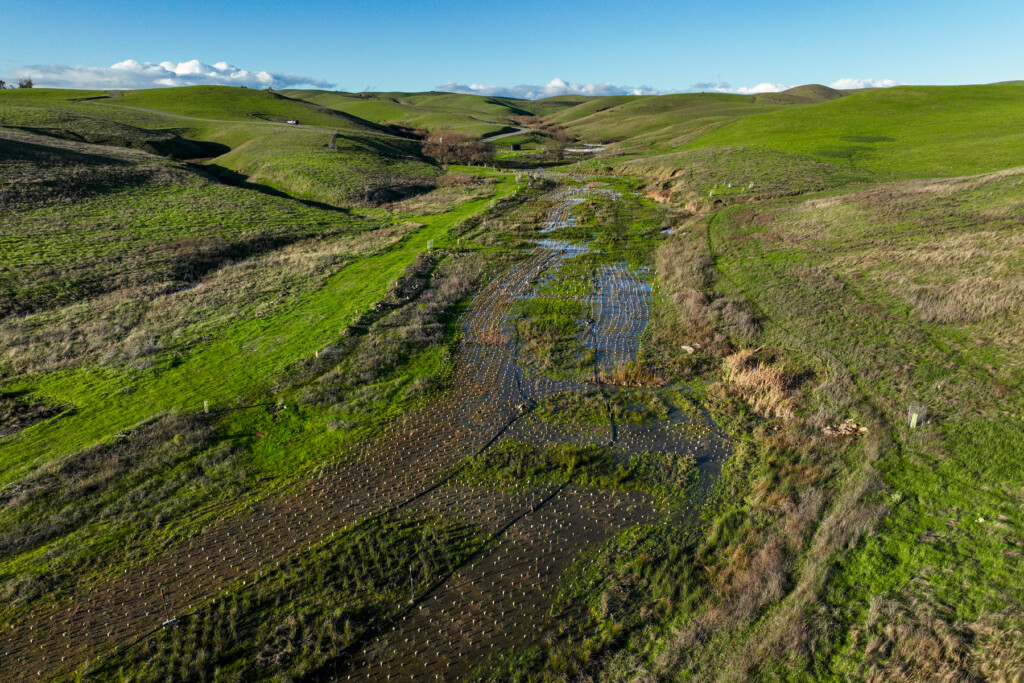
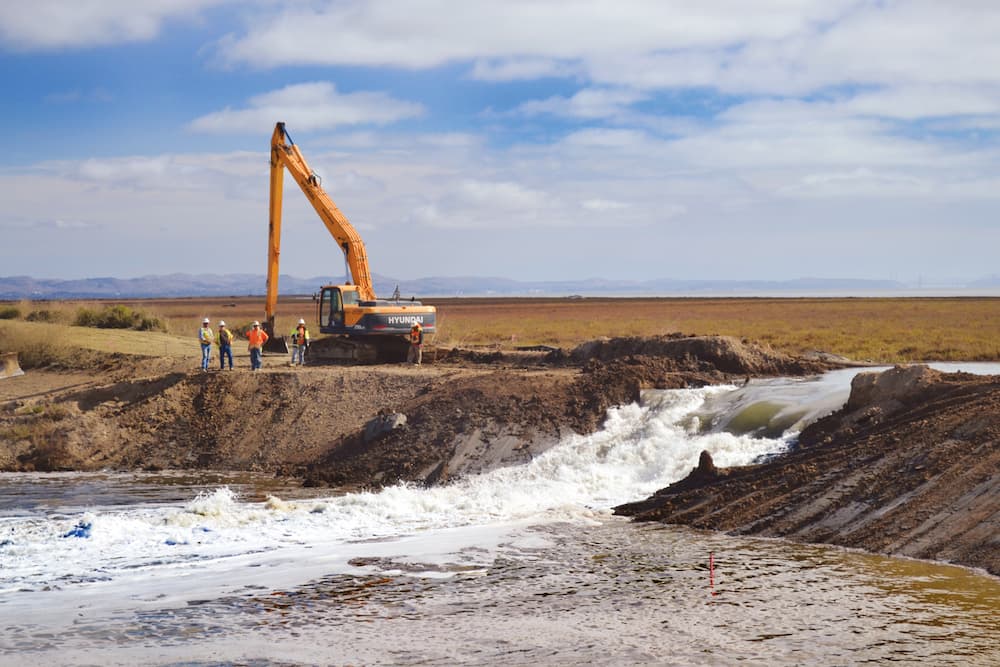
We already know that sea level rise threatens to flood shoreline communities, and El Niño could magnify already high tides. When water warms, it expands in a process known as thermal expansion. Along the Baylands, this could have extreme consequences. Predicted El Niño temperatures could add up to 8 inches of sea level during king tides, says Julian Meisler, Associate Director of Stewardship. That’s why our Baylands work is more important than ever. We need to restore wetlands before they are covered by rising waters and lost to time.
Healthy, intact wildlands do the opposite of pavement. Native grasslands, oak woodlands, and riparian corridors slow water movement, allowing it to infiltrate the soil and recharge groundwater. Root systems hold hillsides in place, reducing the landslide risk that follows saturated soils. Protected lands, in effect, act as a sponge, absorbing the surge before it reaches communities downstream.
Wildfire mitigation through managed land
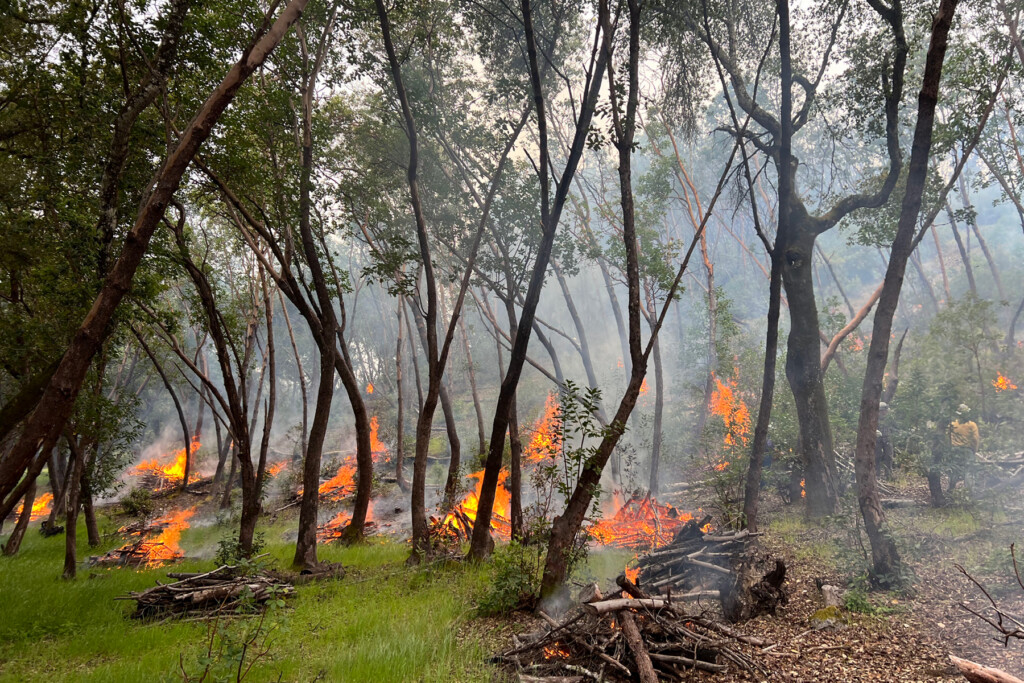
El Niño’s wet winters bring renewed growth in the forests, but that growth becomes part of the following summer’s fuel load. This is why actively managed protected land is so critical. At Sonoma Land Trust, prescribed burns at Glen Oaks Ranch, Laufenburg Ranch, Live Oaks Ranch, and our Sonoma Coast preserves at Pole Mountain and Little Black Mountain are reducing that accumulated fuel before it becomes a liability. By reintroducing low-intensity fire to landscapes that evolved with it, we’re interrupting the cycle that could turn a wet year into a catastrophic fire year.
Carbon storage and climate regulation
Beyond the immediate effects of any single El Niño event, protected lands contribute to long-term climate resilience by storing carbon in soils, trees, and vegetation. Healthy forests and grasslands sequester carbon that would otherwise enter the atmosphere, helping to moderate the very conditions—anthropogenic climate change—that make extreme El Niño events more intense and more frequent.
The bigger picture
No single preserve stops a storm or prevents a fire. But at landscape scale, protected and actively managed land and waterways meaningfully reduce the severity of what communities–human and wildlife alike–experience when extreme climate events arrive. As El Niño conditions build this year, the well-stewarded open spaces throughout Sonoma County aren’t just beautiful to look at, but integral components of our communities’ climate resilience.