Blog
Eyes on the sky with bill perry: Surveying birds is a lifestyle
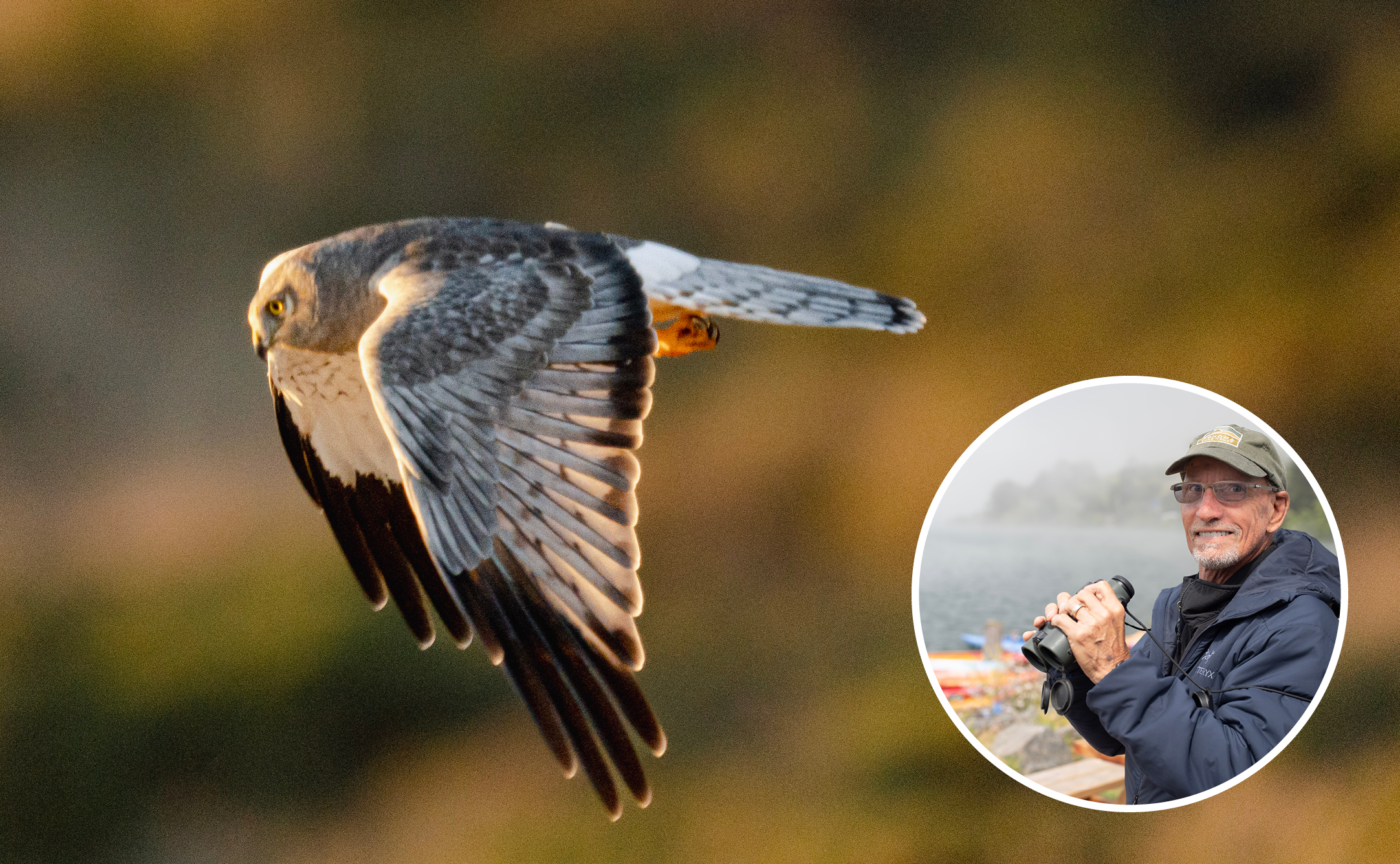
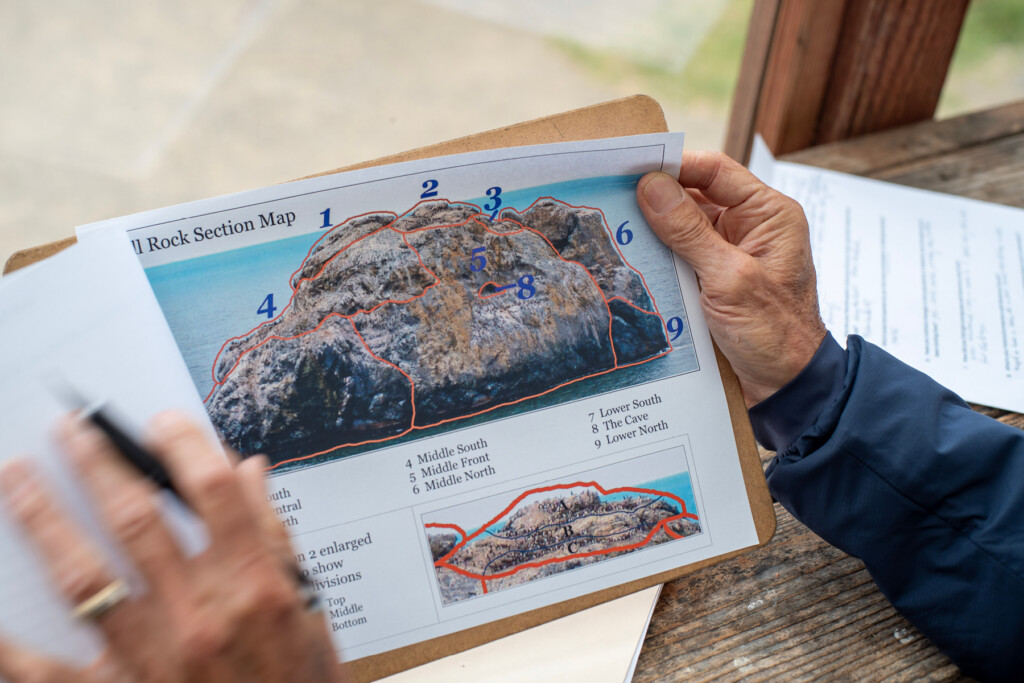
Most Friday mornings from April through August, Bill Perry can be found peering through a spotting scope at Gull Rock, just off the coast of Jenner, where seabirds nest by the thousands. On the morning we planned to meet there, a thick blanket of fog completely obscured the rock—and the birds with it. We took the interview to nearby Café Aquatica instead.
Bill is no stranger to adapting to inclement conditions. Early in his career, he tracked bighorn sheep for the U.S. Forest Service in the Angeles National Forest, then pivoted to geographic information systems, eventually landing at the U.S. Fish and Wildlife Service’s field station in Dixon, where he spent decades studying long-distance animal migrations, capturing species like Snow Geese, Pintail Ducks and bobcats, fitting them with radio transmitters in the early days of this technology, and tracking their routes. Now retired from the U.S. Geological Survey, he focuses his energy on birding, biking, and being an active member of the Sonoma Land Trust community.
Bill moved to the Sonoma Coast full time in 2017 with his wife Jan, a now-retired pediatric dentist. “When I retired and Jan was winding down her practice, I said, ‘Let’s sell the house and move to the coast.'” It was a big move from Central Valley, Bill says, “but no regrets.”
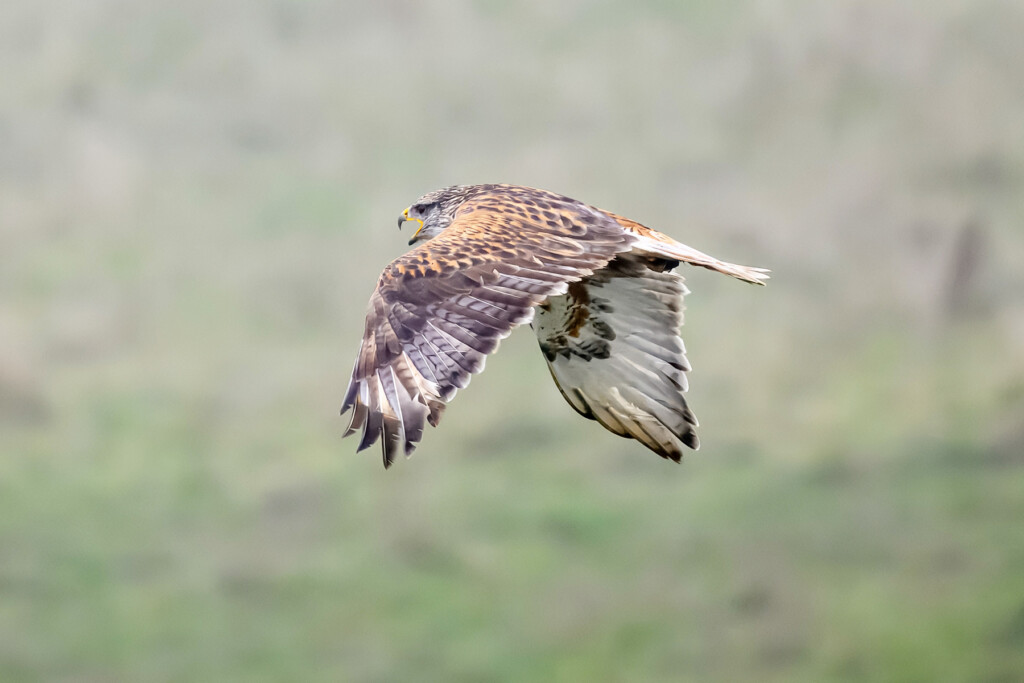
For Bill, any time spent outdoors is a good time to survey birds. He keeps a spreadsheet logging every raptor he spots on his two-or-three-times-a-week bike rides—Red-Tails, White-tailed Kites, American Kestrels hovering over the roadside. “I’m always looking. On my bike, in my car, hiking,” he says. “I just can’t help it.”
His connection to Sonoma Land Trust began with a tip from a former colleague, who encouraged him to reach out to his local land trust when he retired. Bill showed up with his resume and a deep background in GIS mapping and spent five years doing data analysis work with then-GIS manager Joe Kinyon. “He was a very talented analyst and a great mentor,” Bill says.
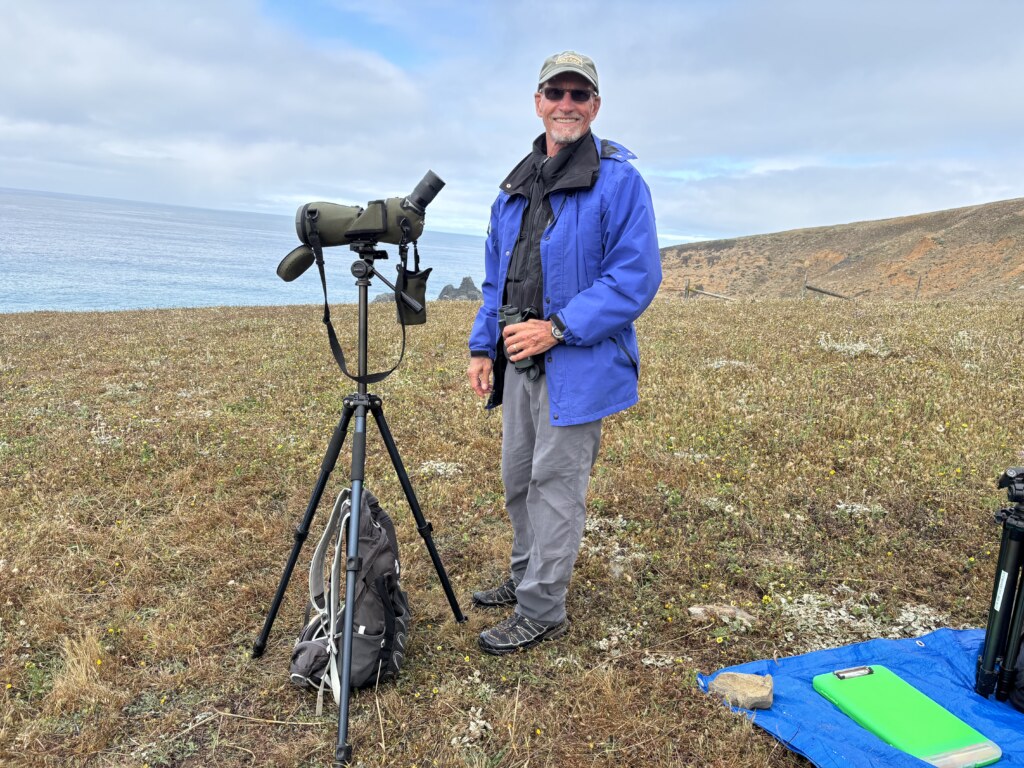
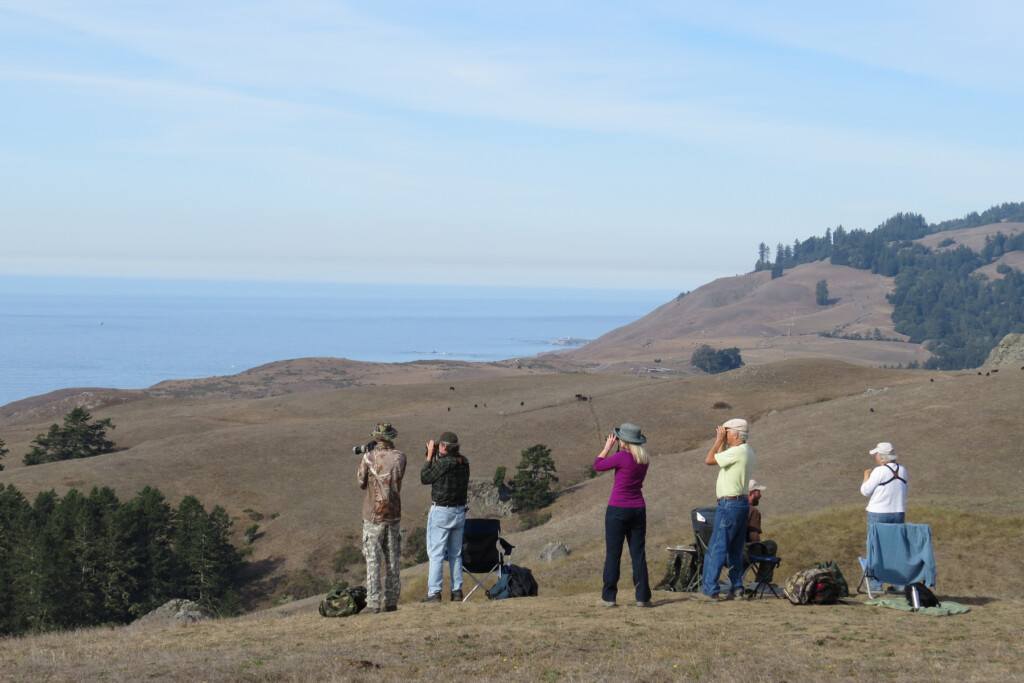
In 2018, Bill attended a Sonoma Land Trust raptor hike at the Jenner Headlands led by the late naturalist Larry Broderick. “Three-hundred-sixty-degree views, and Larry’s enthusiasm was just contagious,” he recalls. “I was hooked.” He’s been going back every fall since, co-leading the Sunday hawkwatch team from September through December, counting accipiters—hawks like Cooper’s and Sharp-shinned—eagles, falcons, and harriers funneling down the coast. “HawkWatch is my favorite birding thing to do,” Bill says. “My heart is really with the raptors.” He’s also now doing bird surveys at Osprey Hill, Sonoma Land Trust’s newest upcoming preserve.
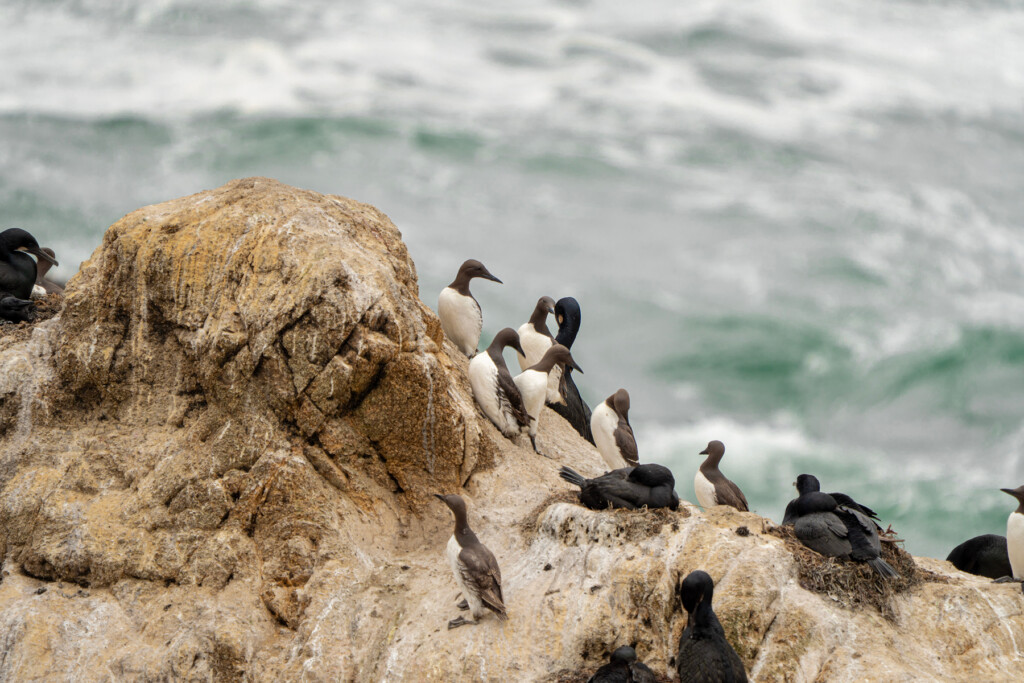
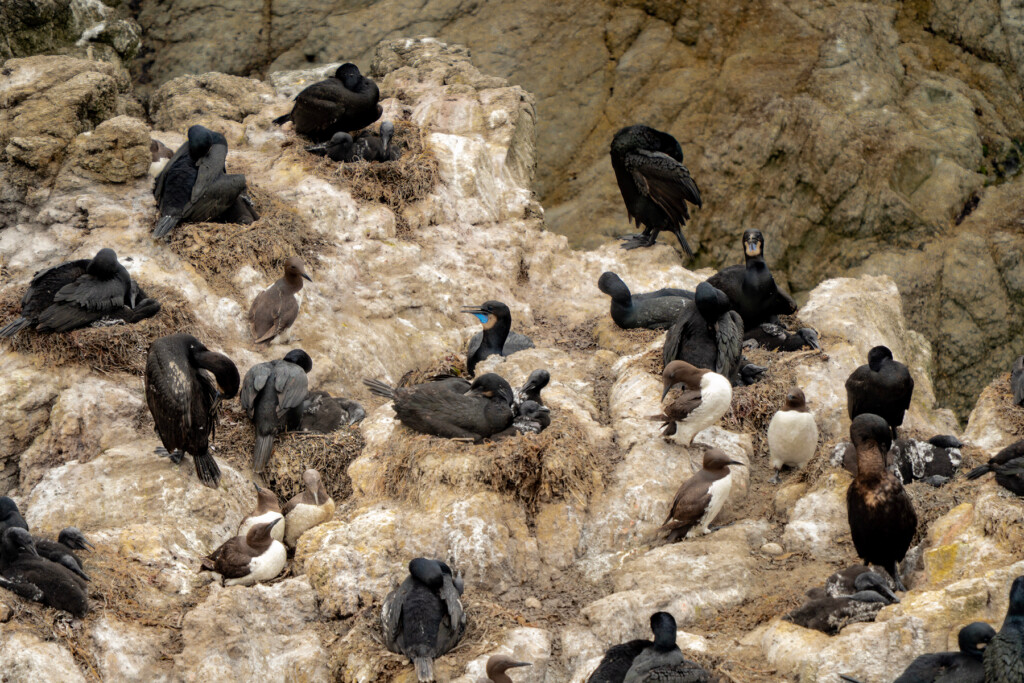
A chance roadside encounter rounded out Bill’s community science life. In 2020, while biking past Gleason Beach, he stopped to ask a woman with binoculars what she was looking at. That woman was Hollis Bewley, program coordinator for the Stewards of the Coast and Redwoods seabird monitoring program, and he ended up signing up. He’s been counting common murres weekly at Gull Rock ever since, watching the colony grow from very few to over 7,000 birds.
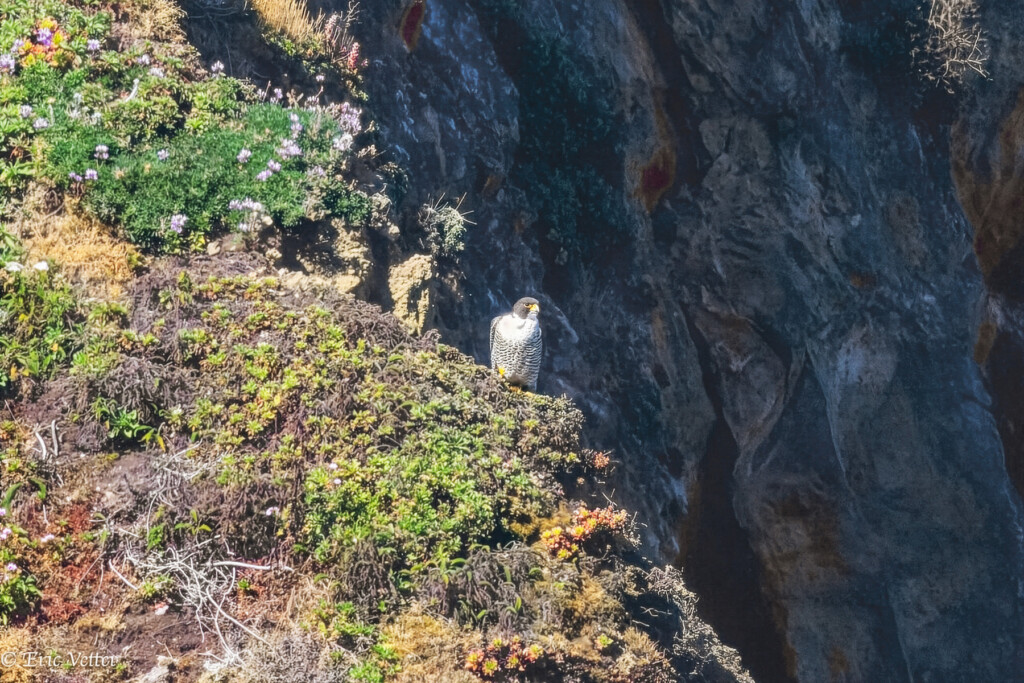
But not everything is trending upward. Bill has witnessed the Peregrine Falcons that once nested near Gull Rock all but vanish from the local coast since 2023. He suspects the highly pathogenic avian influenza, or bird flu. “There used to be a prolific pair right off the highway at Gleason Beach,” he says. “We keep hoping they’ll come back like they did after DDT.” A moment’s pause, then he adds, “anytime I see one now, it’s just a special, magic moment.”
Those special, magic moments fuel Bill’s passion for birding just as Sonoma County’s legacy of conservation keeps him optimistic. “I really appreciate the way Sonoma Land Trust has been purchasing contiguous property along the coast and making open space available to the public and connected for wildlife, whether it was the Jenner Headlands, and now Osprey Hill coming on,” he says.
“That’s why we really support this work, so people can go out and enjoy nature and build that connection with it, and, in turn, care for it,” says Bill. “And just the feeling you get going out and being with nature.”
As for what’s next, Bill is already looking forward to fall. “HawkWatch has always had good numbers, and then we get these occasional rare birds that fly through, like Rough-legged Hawks and Broad-winged Hawks, which is pretty awesome,” says Bill. “You never know what’s going to be next.”