Blog
Autumn on Pole Mountain
by Corby Hines
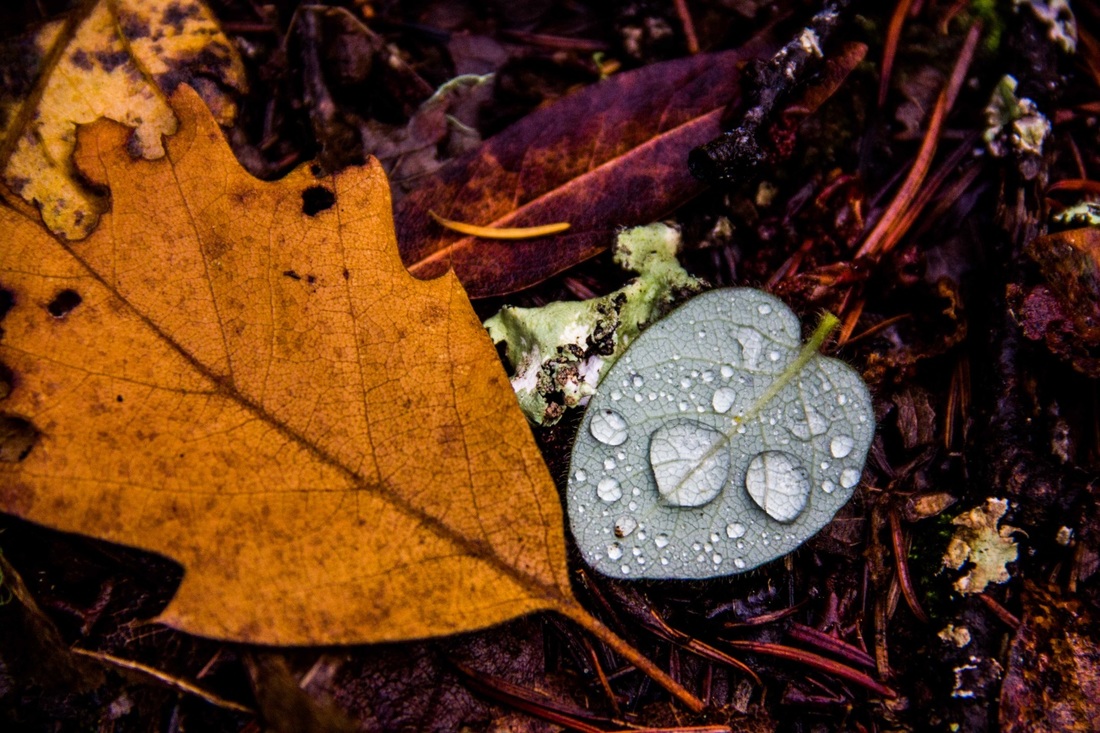
Last Sunday, the first rain of the season coincided with a Sonoma Land Trust public hike out to Pole Mountain. Although it was just a light shower, it was wonderful to be outside in the rain and to smell the aroma of the wet earth. The rain let up just as we started and the sun shone brightly through glistening leaves.
Autumn is my favorite season. I love the crisp air and the changing colors, the migrating birds and the replenishment of our streams and rivers. One can almost feel the trees and grasses breathing a sigh of relief when we get that first big storm that ends the dry season. I love the summer heat when it arrives, but I love it more when it goes away. Most of all, I love the greater truth that the change of seasons reminds us of.
Autumn is my favorite season. I love the crisp air and the changing colors, the migrating birds and the replenishment of our streams and rivers. One can almost feel the trees and grasses breathing a sigh of relief when we get that first big storm that ends the dry season. I love the summer heat when it arrives, but I love it more when it goes away. Most of all, I love the greater truth that the change of seasons reminds us of.
When we spend time in nature, just about everything reminds us that the only constant is change. These changes are reflected in the myriad of cycles that we observe around us. For instance, matter is not wasted, but simply changes form and is used again. The tree that falls becomes an energy source for fungi, which decompose the wood and turn it into soil so that more trees can grow, recycling that matter in perpetuity.

On top of Pole Mountain, the highest point on the Sonoma Coast, we looked out over the vast Pacific Ocean, where water makes a long stopover in its cycle, moves through various physical states, journeys around the globe and through eons of time. Scientists say a water molecule stays an average of 3,000 years in the ocean before it evaporates into the atmosphere. Maybe it will precipitate in Cazadero, one of the rainiest places in California, and then percolate into the soil, or flow down Austin Creek and complete its cycle back to sea, passing salmon headed the other way who are completing a cycle of their own.

As the sun dropped lower in the sky, it was time to make our way back to the trailhead. We took our last looks at the Sonoma coastline and all the open space protected by those who care. We walked past the falling leaves and the sprouting fungus. Change is inevitable, but we are slowly recognizing the outsize role that our species has had in guiding that change. We returned home to share our appreciation for nature’s cycles so that the next generation can continue our local legacy of reverence for the natural world.


Corby Hines is Sonoma Land Trust’s outings guide.