Blog
what’s happening with the wildlife corridor?

by Jen Stanfield
December 2016 marked an important milestone in our wildlife photo study: the removal of our wildlife corridor landscape cameras. The first cameras were placed in June 2013, and the array grew to include 44 cameras by May 2014. Maintaining the cameras and collecting over 200,000 pictures became a group effort, which entailed three to four people spending two full days each in the field every six weeks. The camerawork took the team to beautiful locations on public and private lands, many of which they may never have the opportunity to visit again. Some might assume that our days in the field working on the corridor cameras were like this:
Those people wouldn’t be completely wrong, but there were some days or portions of days that felt more like this:
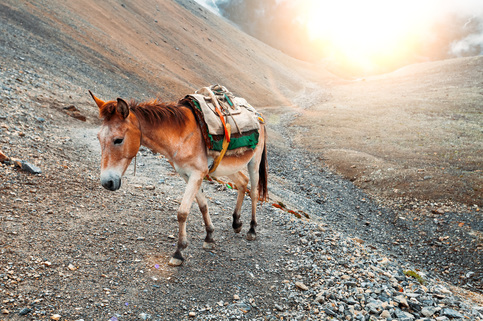
Through the photos, we caught glimpses of animal behaviors ranging from mundane (grey squirrel tail pic #9,058):
Through the photos, we caught glimpses of animal behaviors ranging from mundane (grey squirrel tail pic #9,058):

SO many squirrel tails.
to the unexpected.
to the unexpected.

Although the camera fieldwork is coming to a close, the project is far from over. The team will continue processing data well into 2016, with two active cameras still out there that are now set to record video. As for the data management, every photo of those hundreds of thousands is viewed by a Sonoma State University student intern and entered into a cataloging spreadsheet that denotes animal species and number of animals or, in many cases, logs the photo as blank (a big ‘thank you’ to the single blade of grass that grew in front of a camera lens between maintenance visits, resulting in over one thousand photos in an hour.)

Curse you, blade of grass!
The cataloging to date has taken approximately 500 hours, shared between eight interns. For comparison, if we’d had just one person working on cataloging, it would have taken them 12-1/2 weeks of full-time work.
After the cataloging is complete, the spreadsheets are reviewed for accuracy and any entry marked as ‘unknown’ is double-checked by staff in the hopes of determining an ID. While the diagnosis of many ‘unknown’ entries are relatively simple after a few weeks of practice, a few photo captures continue to elude identification and will keep their ‘unknown’ cataloging status forever.

What is it? We’ll never know.
The next step in processing the data is loosely referred to as the ‘summary step’ and entails checking the photos for duplicate entries and accurate counts of animal detections. For example, the cameras were set to capture three photos each time the infrared sensor was activated. While there are instances where all three photos captured different subjects, it is much more common that we find two or three photos of the same animal. The summary step includes methods for managing these duplications while tallying the number of animal detections in any given data set.
What this all boils down to is days upon days of this:

Jealous?
Despite the glazed-eyed sameness of data processing, we love this project. We consider ourselves lucky to be able to spend our time studying wildlife in Sonoma County and are excited about the future possibilities that will arise from this work. Now that the cameras are down, there is an urgency to finish the steps described above and get into the real meat of the matter: statistics. Doesn’t that sound thrilling?! We’ll be clicking away at the data for some time to come and hope to have initial findings to share later in the year.