Blog
There’s a place for everyone in conservation
A volunteer program gets a reboot after a long respite—and it’s a success!
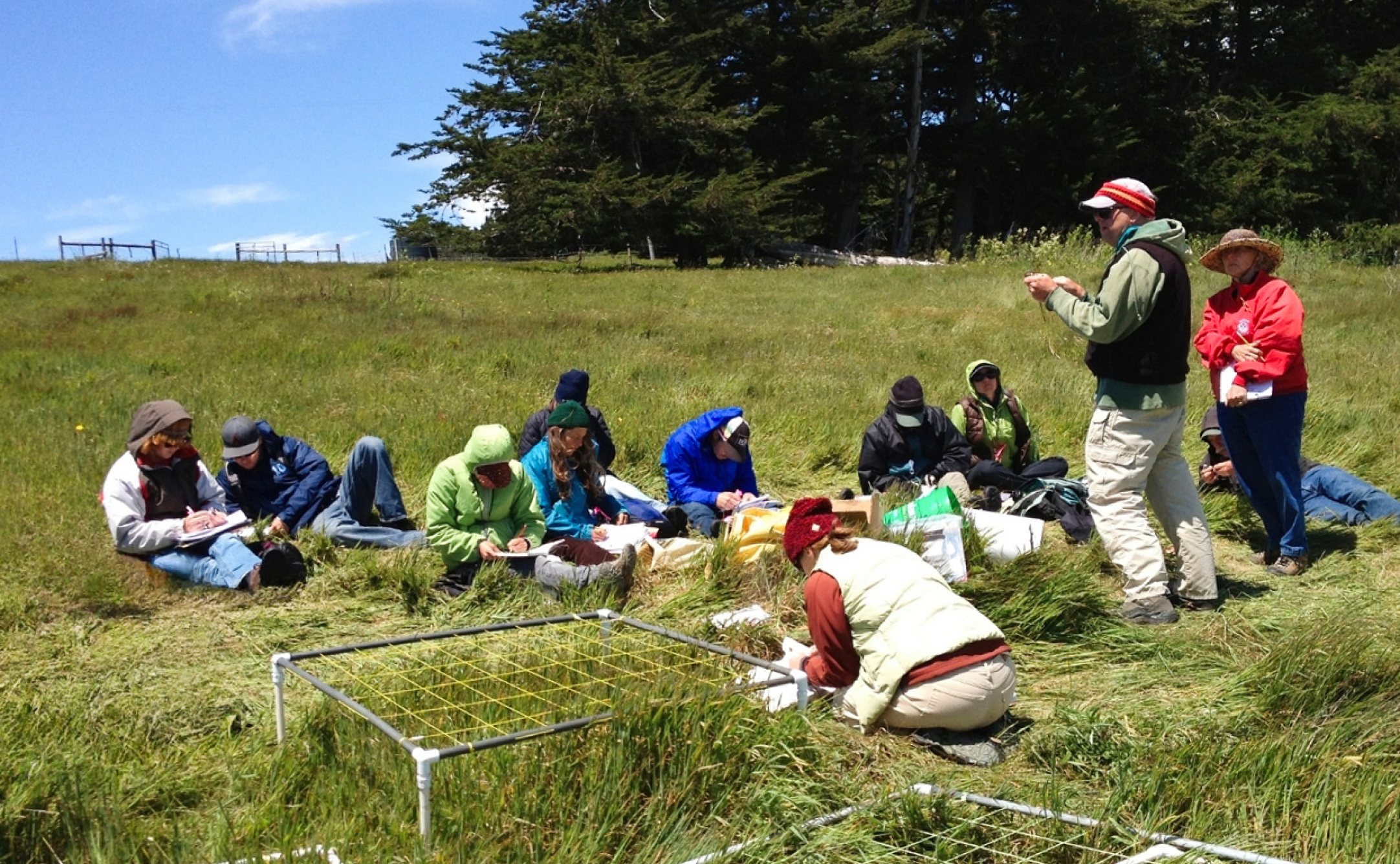
Sonoma Land Trust’s volunteer program used to look like many others: people could sign up for land monitoring, pulling invasive plants, tending trails, or maybe leading guided walks as a docent. It was hands-on and social, built around spending time outdoors and growing community.
Then the 2020 pandemic ground in-person gatherings to a halt, and the volunteer program was sunset for several years. But that was only temporarily.
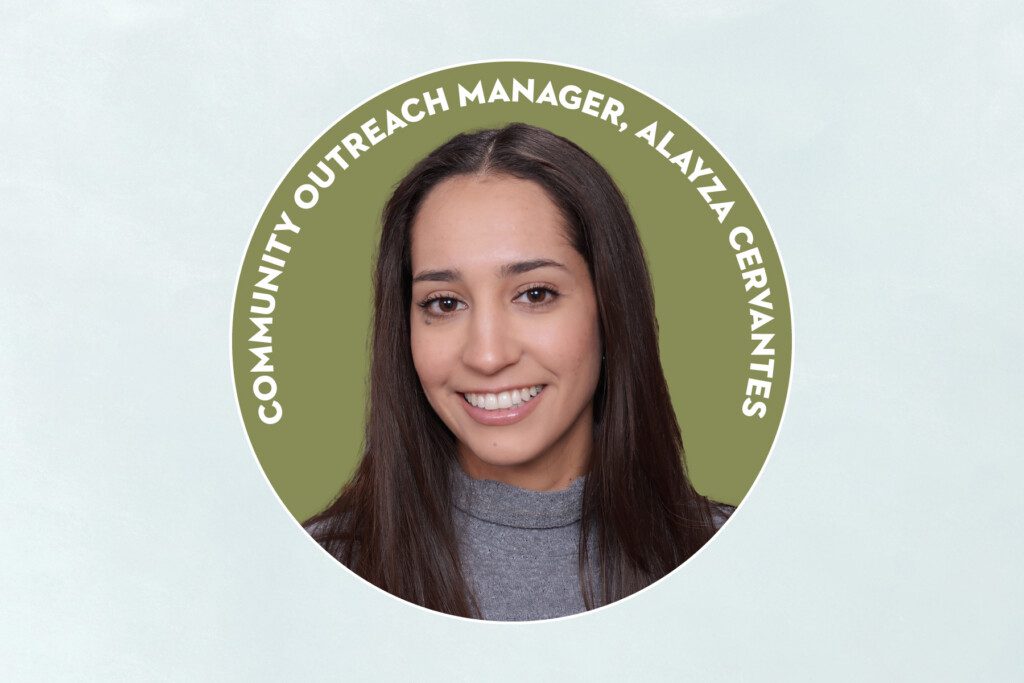
Last year, community outreach program manager Alayza Cervantes was hired specifically to revive the program with a new approach: placing volunteers in roles that draw upon their experience, skills, and interests. Instead of asking everyone to do the same work, the program now asks what each person can uniquely contribute.
“We wanted to bring the program back with a lot of intention,” Cervantes said, “placing volunteers in roles that lean on their lived expertise.”
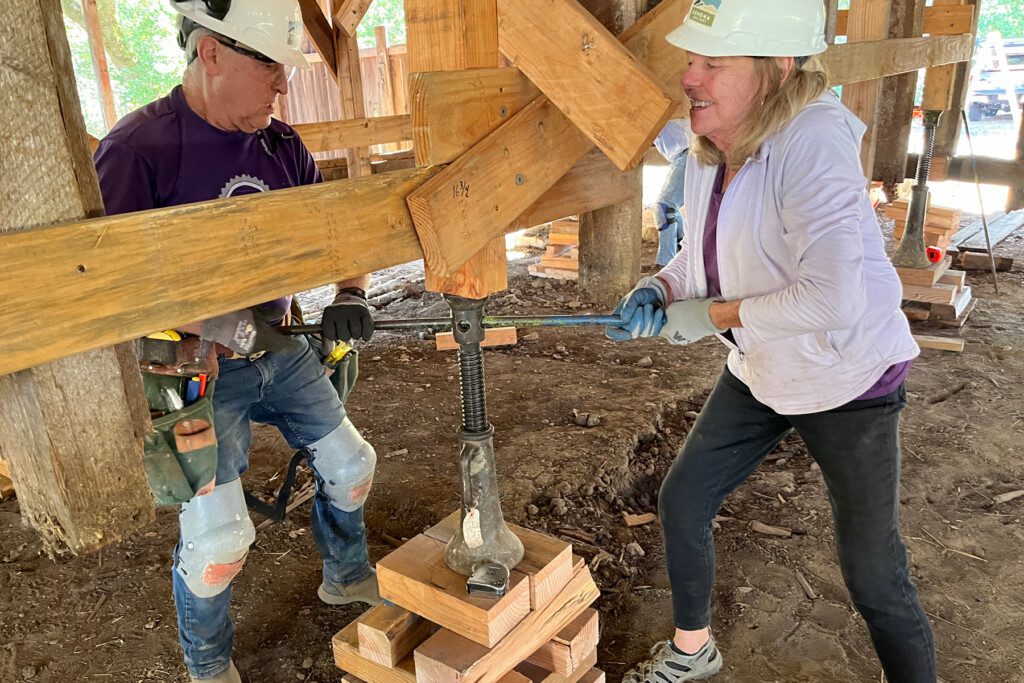
The goal is still to build community, but now it’s balanced with moving our mission forward while increasing staff capacity. Some volunteers still work on the land, but now, a retired therapist and executive coach leads leadership coaching sessions for staff, a volunteer with an organizing background is helping streamline office systems, and a cyclist surveys roads collecting data that contributes to the Sonoma Valley wildlife crossing study.
Staff like Grant, Bianca, and Riley, all on the Stewardship team, work closely with volunteers across field projects, while Tom—who managed Sonoma Land Trust’s previous network of volunteers, including on the historic Laufenburg Ranch barn restoration—was instrumental in helping transition to this new model.
From butterfly experts to accountants to social media experts, “there’s always a place for people in the conservation movement.” —Alayza Cervantes
Fielding volunteer inquiries from the community, what has surprised Cervantes most is how multifaced people are. Conservation is changing and it can no longer happen in a bubble. “That’s why it’s so special that our volunteers are coming to us from so many different backgrounds not conventionally considered ‘conservation,’” she said. From butterfly experts to accountants to social media experts, “there’s always a place for people in the conservation movement,” said Cervantes.
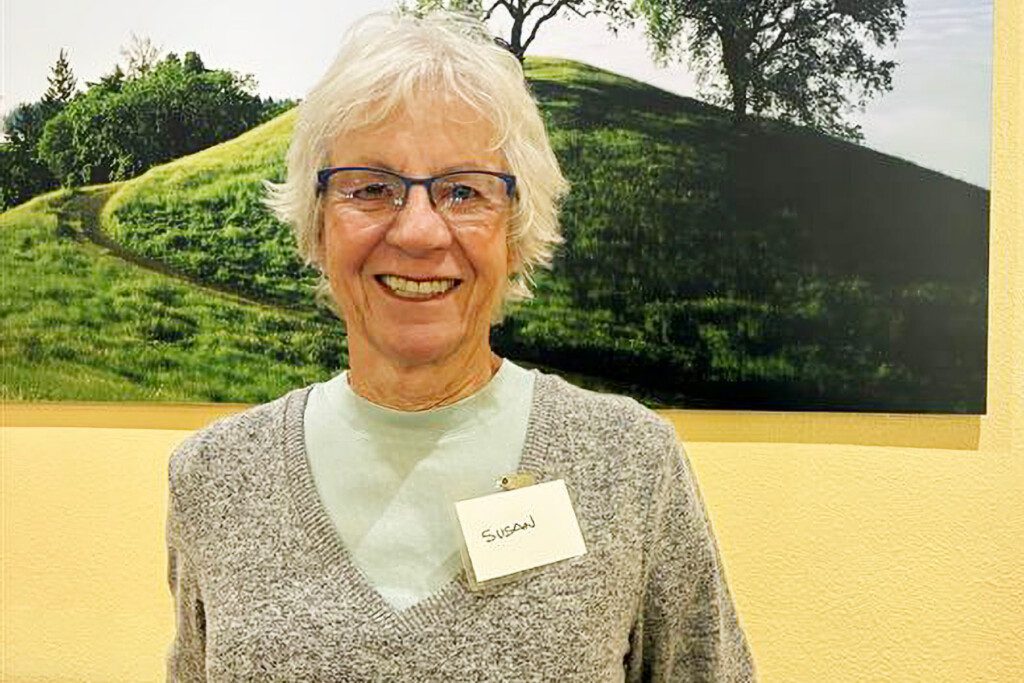
In a post-pandemic world shaped by a growing crisis of loneliness, community is how we heal. Here in Sonoma County, we have a rich history of people coming together to protect the land they love for future generations. Volunteering is more than an opportunity to do interesting work, but also to be part of a movement to make the world a better place—for all its inhabitants, furry, leafed, technology-wielding, and otherwise. A BIG thank you to all of our volunteers who help make our work possible. If you’re interested in becoming a Sonoma Land Trust volunteer, visit our volunteer page.