Blog
preparing for the next fire
by Tom Tolliver
For each preserve, we’ll review and document defensible space practices at each building, focusing on removing or reducing fire fuels beginning at the building and moving outward. From the building out five feet is the non-combustible zone; from five feet to 30 feet is the “lean and green” zone; and from 30 to 100 feet the reduced fuel zone.
In a wildfire, most buildings burn as a result of embers blowing in the wind. Building retrofit will be a priority so our structures don’t contribute to fire ferocity in high winds as we witnessed last October.
Fire fuel management on our lands might include a combination of fire and ladder fuel reduction and something we’ve not done before: prescribed burns. It’s important that we work with local fire responders to assist us in reviewing fire fuel locations and reduction methodology. And how can we work with neighboring land owners to collaborate on fire fuel management? One current example is in Sonoma Valley where a coalition of conservation landowners are in the beginning stages of developing an area-wide fire prevention and response plan. More on that in a future M + M blog.
Our first concern in a fire is the safety of our staff, caretakers and neighbors. In October we were very fortunate that all staff and property tenants were quickly accounted for, but we realized that we could create a better phone tree and identify a central meeting location, such as our main office. In addition, each preserve needs to have a well-developed evacuation plan created in concert with our neighbors.
Providing resources for firefighters and first responders is also important. Some preserves have fire stand pipes and some even have water storage tanks. Their locations and functionality needs to be documented, mapped and shared with local fire responders along with roads and gates with access information. In addition, providing the location of sensitive natural and cultural resources on this map helps our firefighters to both protect the resources and avoid damage.
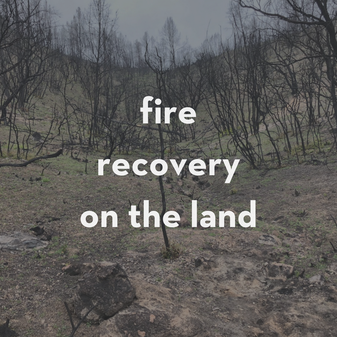
Fire Recovery
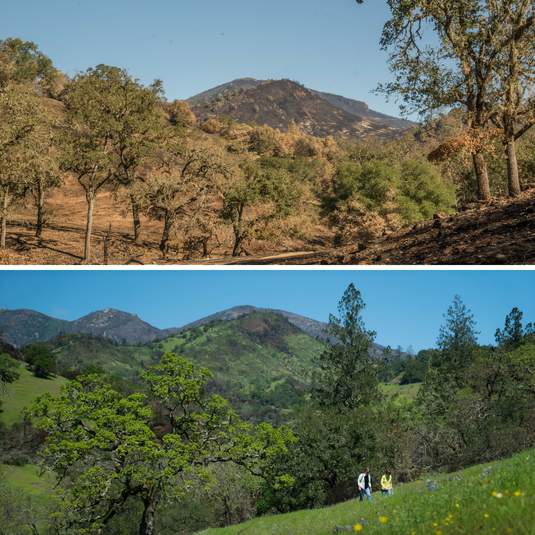
This process was something new to the current staff. After a thoughtful “lessons learned” conversation with staff and colleagues at other organizations, we realize that planning for recovery before a fire is important. Our mantra remains, “first, do no harm.” Getting staff access to burned Preserves quickly for inspections looking at immediate safety concerns, damage to infrastructure and fire impacts to habitat gets recovery activity underway.
And while we believe we’ve been effective in our recovery activities, today we better understand how grasslands and forested lands respond. We also know from practical experience how noxious weeds respond to fire events. And as we rebuild our infrastructure we do so with methods that might survive the next fire, and are documenting the reconstruction for revised preserve maps. And finally, we have a deeper understanding of our insurance policies and can document the insurance claims process.
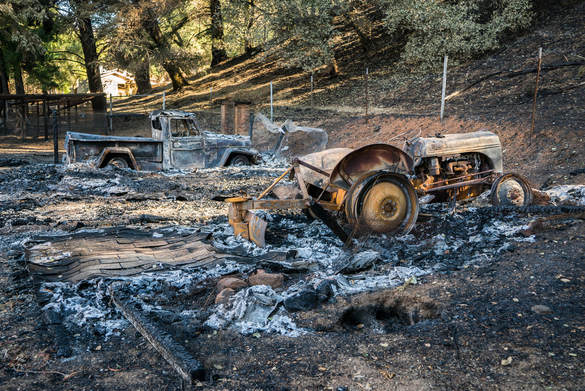
Mother Nature can be counted on to throw curve balls at land managers, and while we’ve been able to deal with most of them, October’s fires pushed us to the limits. With those fires fresh in our minds, now is the time to look forward and ask, “What would I do differently next time”?
more resources on fire recovery
|
|