Yesterday, as I was checking into some things at Glen Oaks Ranch and walking by the old stone “mansion,” it occurred to me that it is almost time for one of my least favorite annual chores. I love the crisp days of fall with visions of cooking everything pumpkin. I don’t mind the deepening cold — and I love rain when we get it — but I lament the passing of summer’s sun and really good peaches. I know I’m not alone in this amongst my fellow hominids, but wild animals have more to deal with living outdoors and I suspect they are not as comfortable with the changing weather soon to hit us.
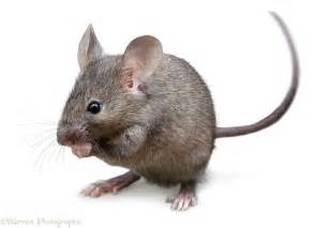
Mus musculus species or house mouse
I did some research with house mice (Mus musculus) once so I know a little about them. There’s a well-documented phenomenon that most are content to live outdoors away from us for much of the year, but when temperatures drop and rains come, they go in search of better shelter, and often our homes and structures are ideal options. My own work bore this out perfectly. As does my experience at Glen Oaks. Summers are pretty quiet in the old mansion, as far as mouse activity goes, but each fall and winter we see new residents.
Peromyscus species or deer mouse
Mostly we get house mice. Occasionally we get a deer mouse or its kin — Peromyscus species, but they are generally more likely to stay outdoors. They look similar but Peromyscus have bright white under their bellies and tails, while house mice tend to be similarly colored throughout.
It’s not a common sentiment, but I like and admire rodents. They play important roles in our ecosystems and I think they’re very attractive (adult-male-scientist-type word for cute). I kept a mouse in a glass tank while in college, with a sandy bottom and a little nest structure and a small cactus in the center. He was a retired lab worker (test specimen) from physiology class and was the friendliest pet I ever had except for my dog Ted. Every day when I got home, he — the mouse — would crawl to the top of the cactus (lots of rodents can do this with aplomb) and stand on his back feet looking up and waiting for me to hold out my hand for him to climb onto. I know it probably had something to do with my frequent treats of popcorn and spaghetti, but I enjoyed him immensely regardless.
Which brings me to the unpleasant chore at Glen Oaks. I’ll do anything to help rodents stay healthy and thriving in their outdoors habitats, but, of course, we can’t allow them to remain in our structures. We’ve twice had specialists conduct thorough rodent-proofing of the old historic place. If you get recurring rodent problems, eliminating entry points is the best way to go, for you and for the rodents. But our old building has so many tiny holes that we can’t find and close them all, and a few mice get in every year. So we set traps. We use snap traps because they are the most humane in my book, though maybe less pleasant for us to manage than some other types. I do not look forward to it. I take solace in the fact that our collective conservation work is helping these little creatures thrive, but it does get personal for me in the fall. I have a new assistant starting in a couple of weeks. Maybe I can make her do it.
Tony Nelson is Sonoma Land Trust’s Sonoma Valley program manager.

 Peromyscus species or deer mouse