Blog
Nature-based solutions rank top choice for climate change
As climate pressures intensify across Sonoma County—from hotter summers to stronger storms and shifting water cycles—nature-based solutions are becoming the most effective tools we have for adapting to change. These approaches work by restoring natural systems—like wetlands, floodplains, forests, grasslands, and streams—so they can do what they’ve always done best: slow floodwaters, store carbon, filter and recharge water, reduce wildfire risk, and support wildlife and human communities at the same time.
We’ve been applying nature-based solutions across Sonoma County since long before the term was coined. For example, we know that healthy wetlands slow floodwaters and recharge groundwater. By restoring floodplains and reconnecting them to their creeks, we can prevent flooding further downstream while allowing water to sink into the ground. Additionally, when land is wet, it’s more resilient to fire. Another thing we know is that protecting large, connected landscapes gives plants and wildlife room to adapt as conditions change. Healthy creeks, wetlands, grasslands, and forests stabilize soils, store carbon, and help buffer communities from extreme heat, drought, flooding, and fire. After 50 years of working with landowners, scientists, and communities, we’ve seen again and again that when nature is allowed to do what it does best, it becomes one of our most powerful tools for climate resilience.
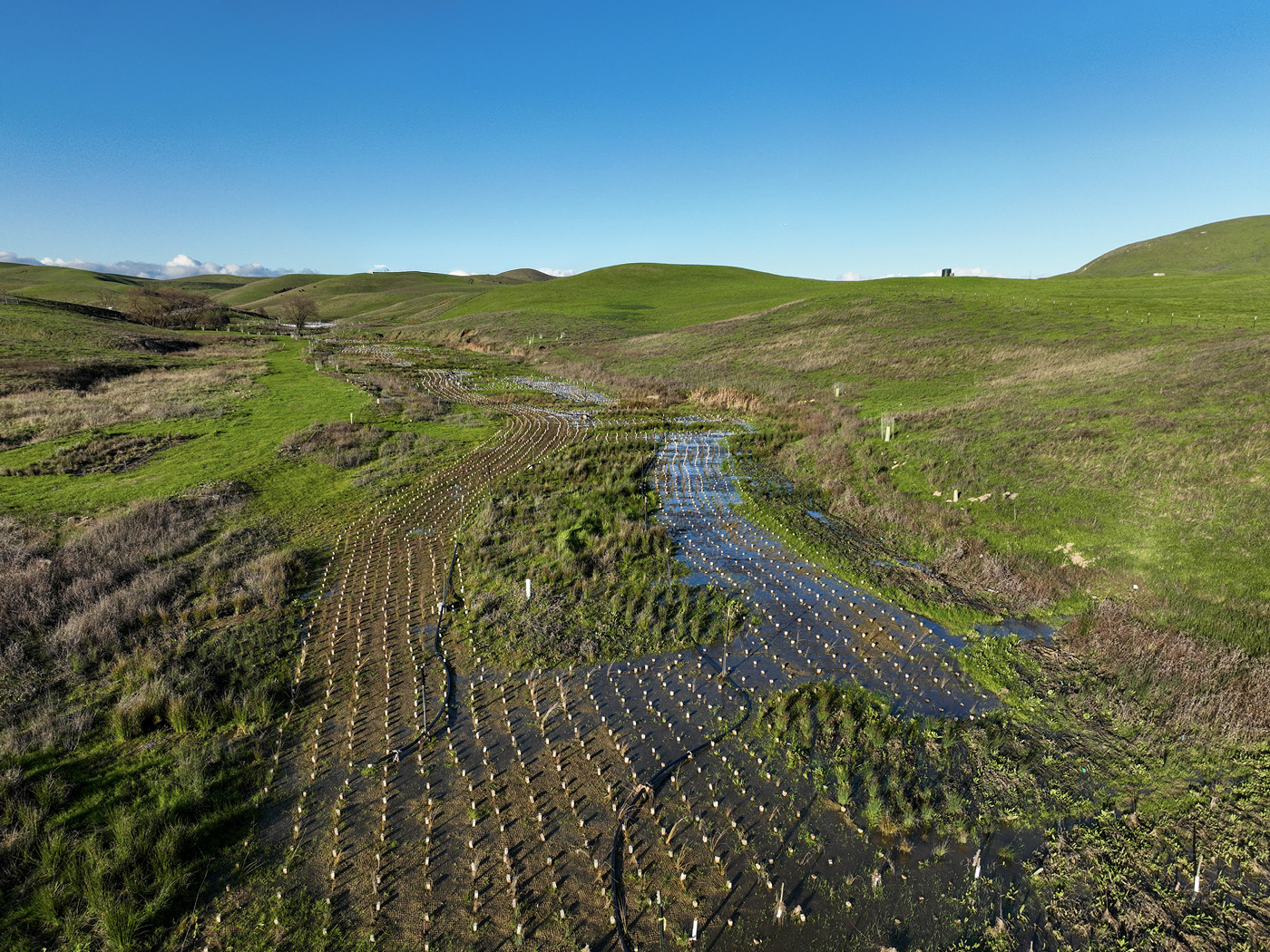
At our Sears Point Ranch Preserve, restoration of grasslands, streams, and wetlands is helping reestablish natural hydrology while keeping the land in working agriculture. The Lakeville Creek restoration project on the southern slope, is returning a deeply eroded channel to a more natural, gently-inclined valley floor, allowing water to spread out, soak in, and support wetlands, raising the water table and improving resilience to drought and wildfire. (Check out our new video for an update on the Lakeville Creek restoration).
We have a lot of exciting work in motion in the Russian River watershed, where we’re focused on securing freshwater flows, restoring riparian corridors, and reconnecting creeks and floodplains to support salmon and steelhead, all while improving water reliability during dry months. These efforts are guided by long-term strategy and decades of investment.
Nature-based solutions also play an important role in community spaces. Expanding parks, greenways, and tree canopy helps cool neighborhoods, manage stormwater, and bring nature closer to where people live.
Across all of this work, the emphasis is on how landscapes function over time—how water moves, how soils hold moisture, and how ecosystems adapt. In a changing climate, solutions that work with natural processes remain the most durable and effective tools we have.
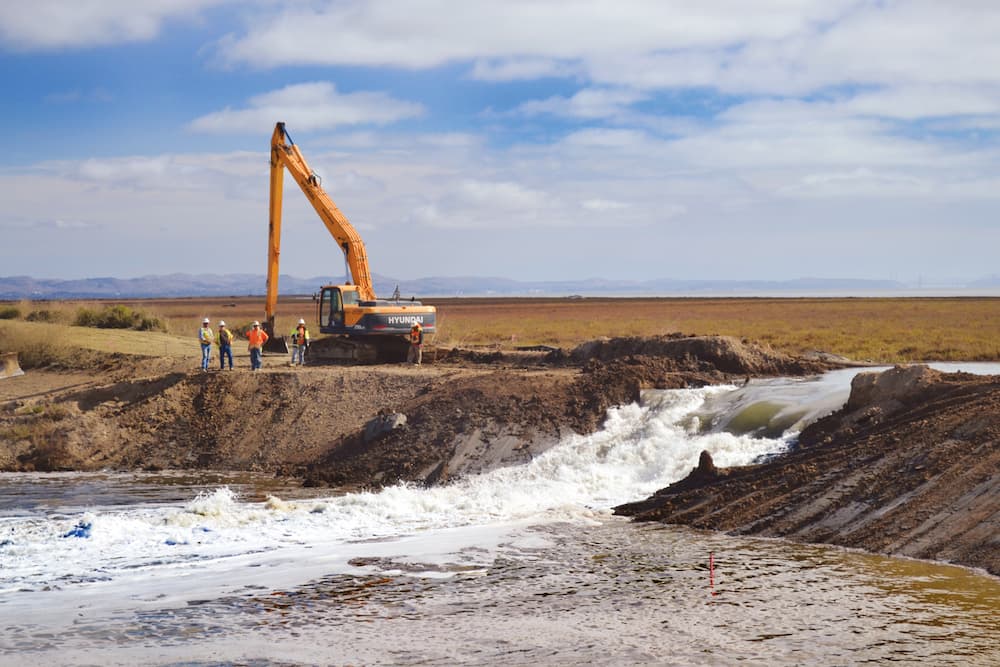
One nature-based solution we’re really excited about is our work in the Sonoma Baylands that’s entering it’s next chapter. Once restored, it will improve rare wetland habitat for tens of thousands of birds and riparian wildlife while helping the North Bay adapt to sea level rise. If you’re on our mailing list, keep an eye out in your mailbox for a special edition print!