Blog
Explore eBird: discover birds and contribute to science
See a bird, share a bird
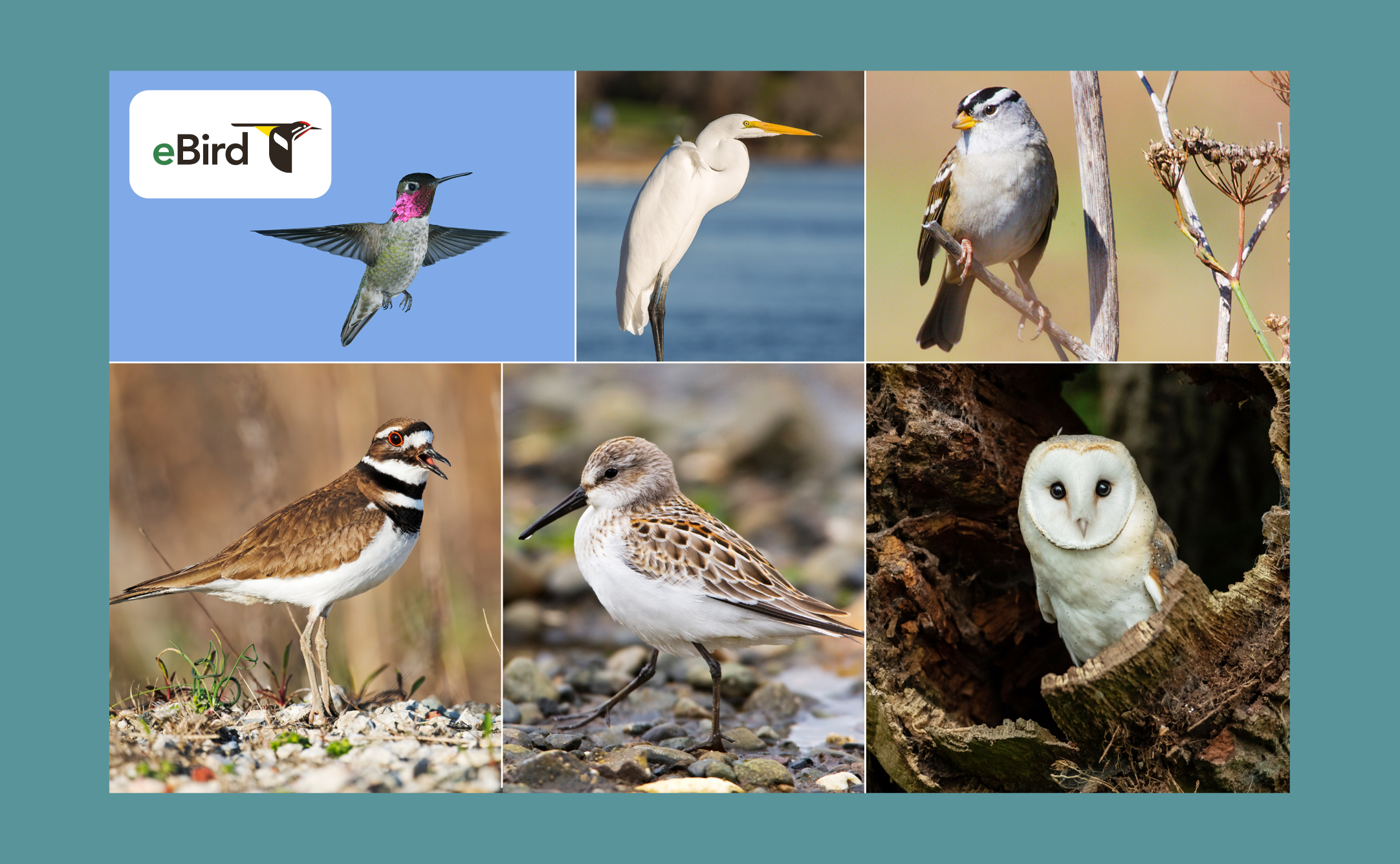
Whether you’re a seasoned birder or just starting to notice feathered visitors in your backyard, there’s never been a better time to deepen your bird knowledge and support local conservation while you’re at it. Thanks to cutting-edge tools and sophisticated science platforms, you can identify birds, track your sightings, and even contribute to scientific research right from your phone.
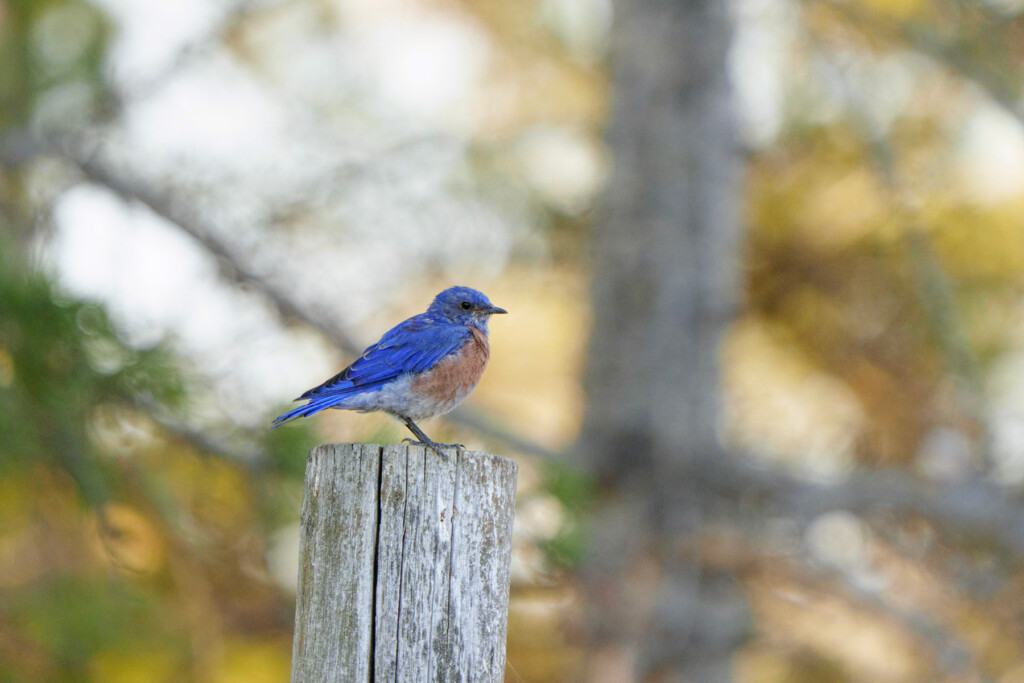
Free resources like Merlin, the intuitive bird ID app best known for identifying birds by sound, and eBird, the global platform for bird sightings, are empowering nature lovers of all ages. eBird lets you track your sightings, explore hotspots near you, and discover seasonal trends in bird activity. Over 1.9 billion observations have already been submitted by birders worldwide, creating one of the most valuable wildlife databases in existence. This data powers conservation decisions, helps land trusts secure grants, and supports participatory science that protects birds and their habitats. Want to learn even more? The Bird Academy from the Cornell Lab of Ornithology offers self-paced courses for every skill level—from the basics of birdwatching to interpreting complex migration patterns.
These tools don’t just boost your enjoyment of birding—they also make a real impact. In Sonoma County, conservation groups use bird data from these tools to monitor forest health, guide land management decisions, and enhance wildfire resilience. Your sightings could help inform the next major conservation effort!
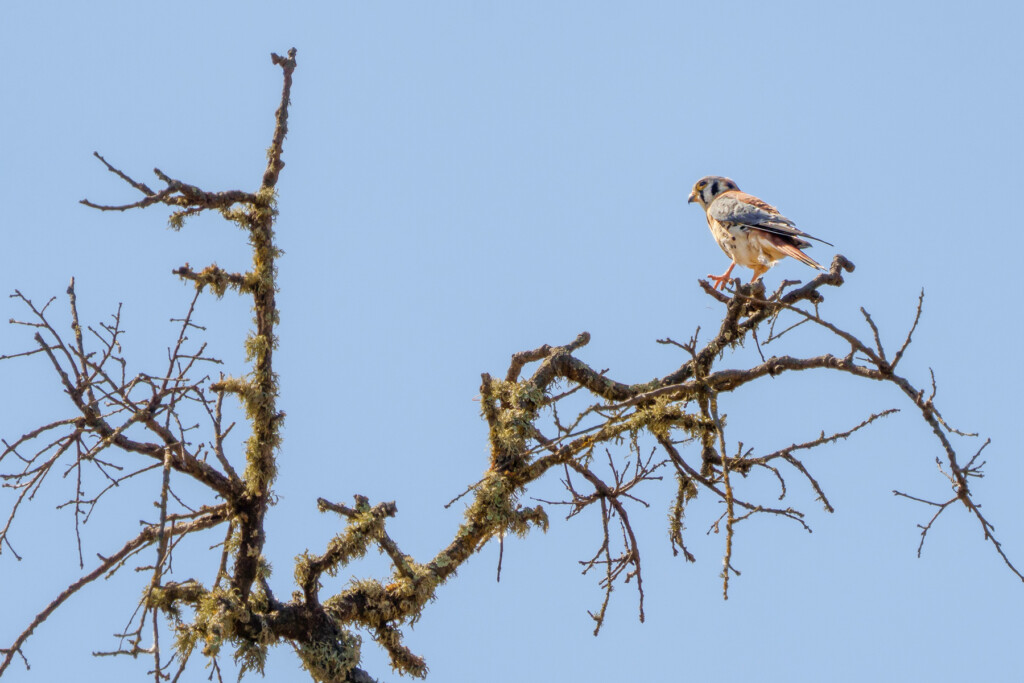
Get involved today
Start by visiting birdtrust.org to access free birding tools, educational resources, and local conservation opportunities. Then, head out to a Sonoma County hotspot like Jenner Headlands or Little Black Mountain, with Merlin and eBird in hand, and discover what birds can teach you about the land we call home.
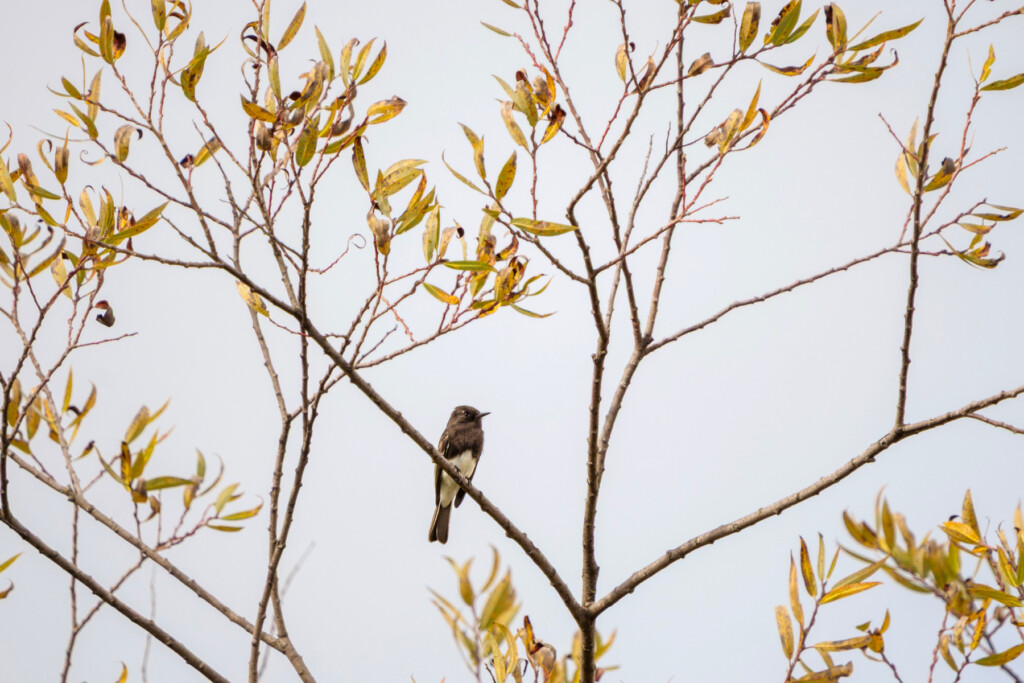
More birding projects and resources from Cornell Lab of Ornithology:
All About Birds – Online guide to birds and birdwatching
Bird Academy – Birding courses and tutorials
Birds of the World – Life histories for all bird species
Celebrate Urban Birds – Bilingual, equity-based community science
Great Backyard Bird Count – Four days of bird counting, each February
Macaulay Library – Scientific archive of birds and more
Merlin Bird ID – An app that helps with bird ID by photo, sound, or observations
NestWatch – Database for nest monitoring
Project FeederWatch – Survey of birds visiting backyards, nature centers, etc.
Not sure where to start? Explore the eBird website or download the app to begin. For beginning birdwatchers, consider trying the self-paced Joy of Birdwatching Course.