Blog
August 2025 eNews
Nature’s Heroes: Tiny Hunters
Eight-legged carnivores we can’t live without
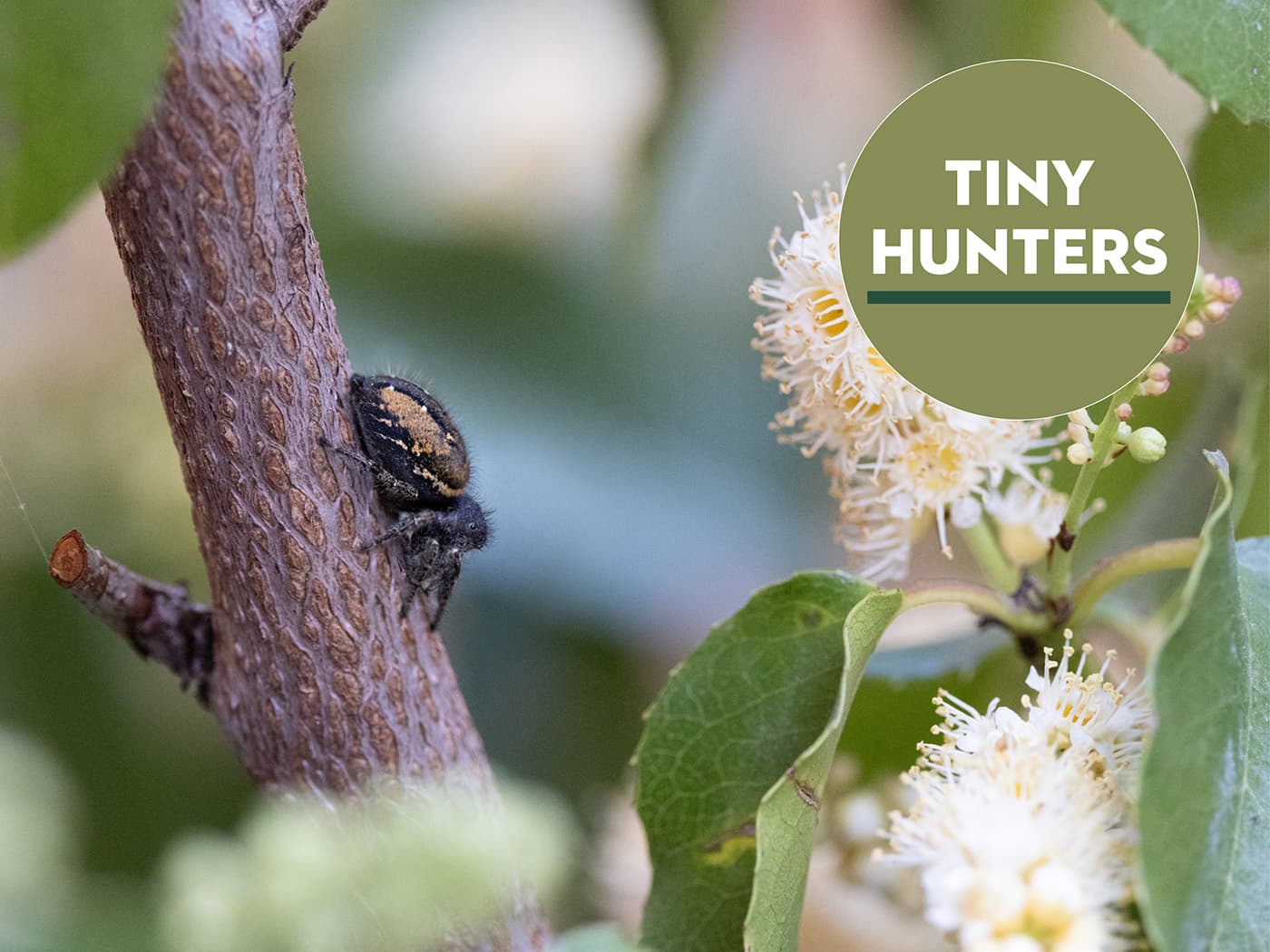
Seeing more spiders lately? You’re not alone—and that’s a good thing. As summer brings a profusion of insects, these tiny predators get to work, protecting our homes, gardens, and ecosystems by keeping insect populations in check.
One of nature’s most effective and abundant predators, spiders feed on a wide range of insects, playing a crucial role in keeping ecosystems balanced. Without them, insect populations would skyrocket. One study found that spiders around the world eat as many insects as birds and mammals do combined. That not only controls insect numbers, but also helps lower the spread of some vector-borne diseases like West Nile virus. They’re also an important food source for thousands of bird, reptile, and mammal species, not to mention other invertebrates.
In addition to the ecological role spiders play, these eight-legged carnivores help control the population of many of the insects we consider pests. From the garden to the vineyard, spiders catch flies, mosquitoes, aphids, beetles, and more by ensnaring them in their webs, leaping on them from afar, or even chasing them on foot. Spiders are such effective natural pest control that a recent analysis of 58 studies from around the world revealed that spiders significantly reduce agricultural pest insects in 79 percent of cases, often improving crop performance—all without the use of chemical pesticides.
These tiny hunters are doing important work. Let’s do our part by protecting habitat, reducing pesticide use, and giving them a break! Check out this recent story in Bay Nature highlighting the incredible athletic prowess of our local jumping spiders.
Nature’s Heroes: Tiny Builders
Mighty mollusks: nature’s engineers of the estuary
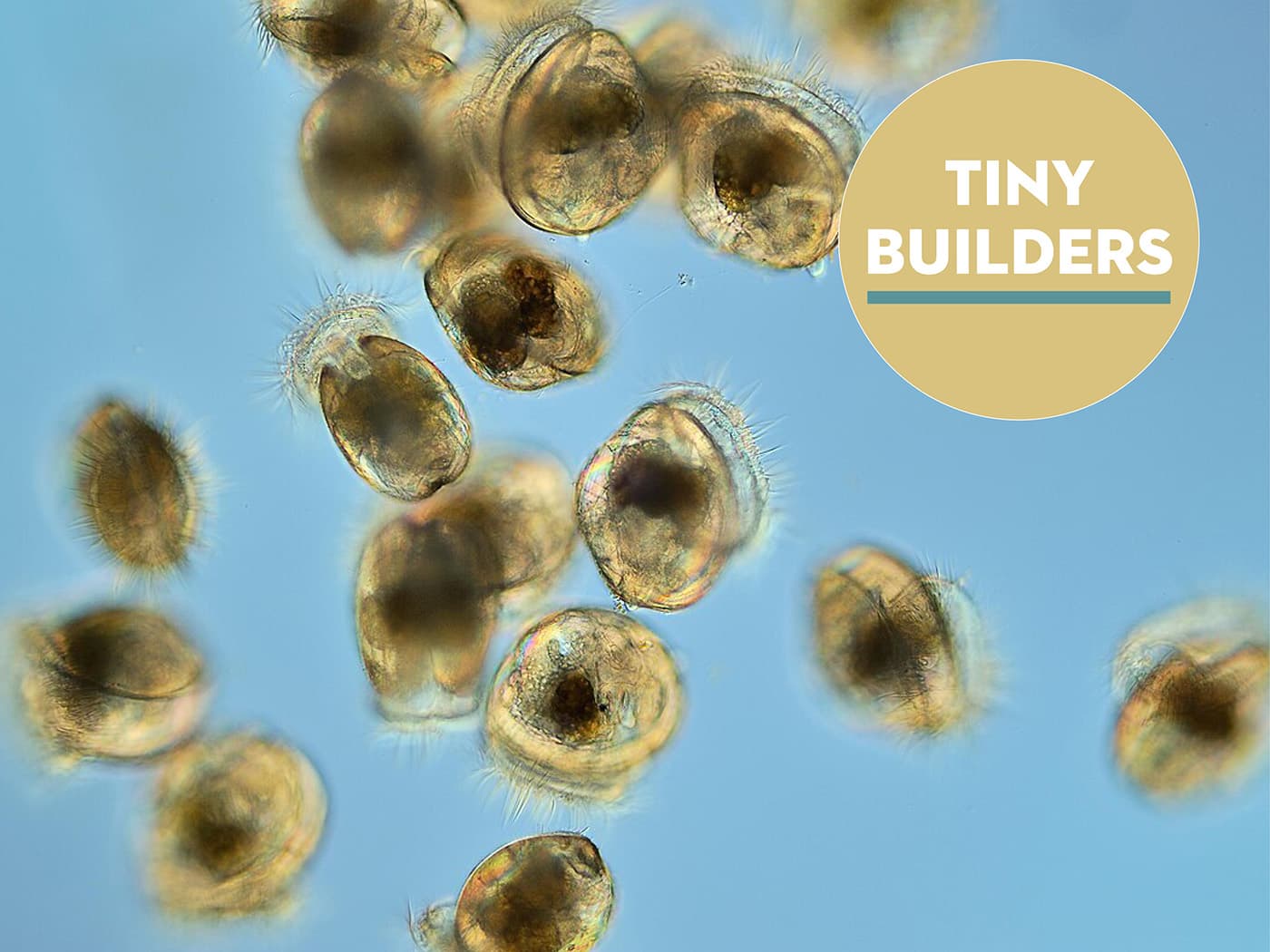
Every big, juicy oyster—some of which end up on our plates—starts out as an almost invisible speck. Just days after hatching, baby oysters are barely 200 microns wide, about the width of two human hairs. For a brief moment, they swim freely through the water column, searching for a hard surface to call home. When they find it, they settle, attach, and begin the patient work of becoming a reef.
These baby oysters, known as spat once they settle, form the future bedrock of living oyster reefs; dynamic structures that filter pollutants, improve water clarity, support marine biodiversity, and buffer shorelines from erosion. As they grow, oysters begin to filter the water around them, removing nitrogen, algae, and sediment, thus improving water quality. A single adult oyster can filter up to 50 gallons of water a day, and baby oysters start contributing from the moment they form their tiny shells, usually around 2-3 weeks old.
Over time, as generations of oysters settle atop one another, they create reef structures that support a remarkable web of life. They house fish and crabs and feed shorebirds, otters, and us humans. By absorbing wave energy, they reduce flooding and coastal erosion and allow sediments to accrete (a scientific term for accumulate), building the shoreline back up along with rising sea levels. As described recently in KneeDeep Times, living shorelines built with native oysters are emerging as powerful tools for climate resilience, including right here in the San Francisco Bay.
But these benefits all hinge on the survival of the smallest oysters. Without spat, the reef cannot regenerate. In fact, the presence of baby oysters is often seen as a key indicator of estuary health because it shows the successful reproduction, growth, and recruitment of this ecosystem engineer across generations.
Restoring tidal marshes, such as those at Sears Point Ranch and the Baylands in the San Pablo Bay, helps create habitats where oysters can flourish. An initiative that’s directly bringing native oysters back to San Francisco Bay is The Wild Oyster Project, a nonprofit that works through shell recycling, community engagement, and restoration with a vision of a “swimmable, edible Bay using the power of oysters.” That’s a vision we can get behind!
Sweet Work: Tom von Tersch’s Life Among the Bees
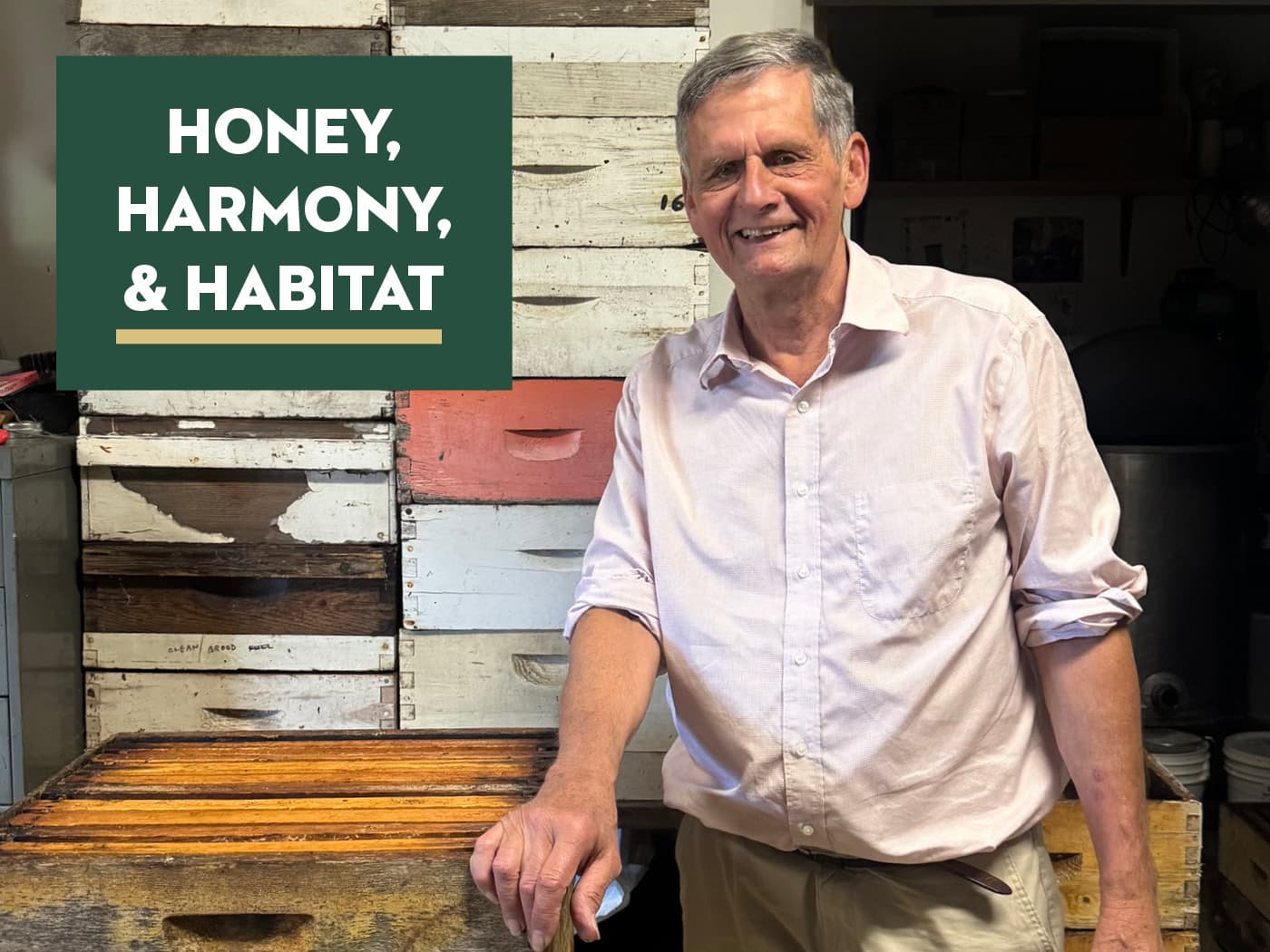
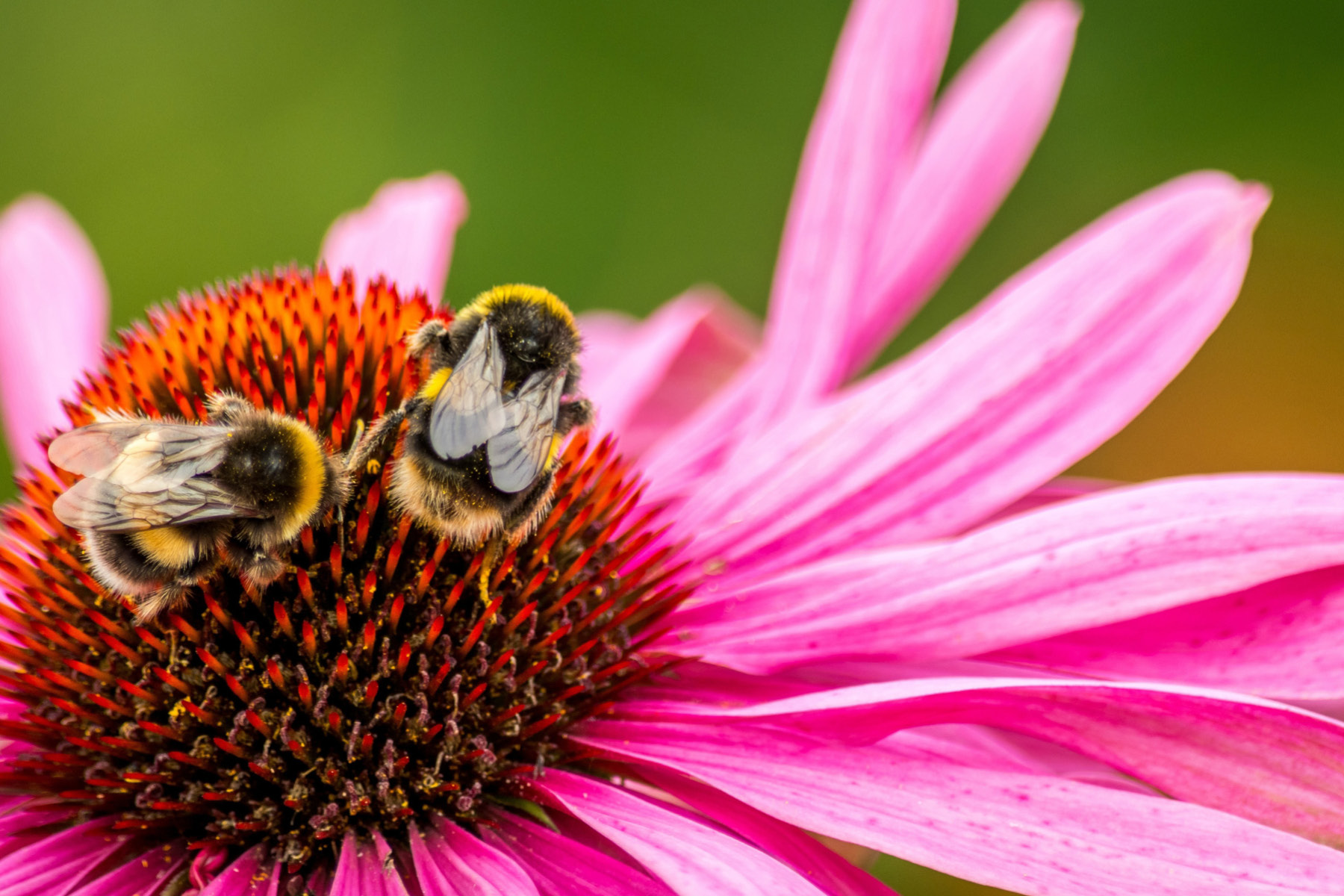
Native pollinators face mounting threats, including habitat loss, disease, and competition with managed honeybees, putting the balance between nature and agriculture under strain. For longtime beekeeper and nature enthusiast Tom von Tersch, bees are far more than honey-makers. They’re vital players in the living systems he’s spent decades observing, supporting, and celebrating.
Tom began beekeeping in 1970, when Silicon Valley still teemed with orchards and farmland. Back then, “if there was a bee club, it had maybe six people,” he recalls. He and a few friends caught the beekeeping bug in Portola Valley, collecting wild swarms with help from the local fire department. Self-taught and experimenting through trial and error, Tom became part of a small, passionate community that saw bees not just as honey-makers but as windows into the rhythms of the natural world.
Today, from his Sonoma County home with his wife, author, shamanic guide and land steward Meg Beeler, Tom tends hives in three locations: Sonoma, Menlo Park, and Tunitas Creek on the San Mateo County coast. Each location yields honey with a distinct character depending on what’s blooming. “Sonoma honey is fruity,” he says, “the Peninsula’s eucalyptus gives a mild, butterscotch taste. The coast is wild, spicy, with lots of blackberry.” These subtle flavors reflect the biodiversity of each place and the close ties between pollinators and their environment.
That deep connection to nature fuels Tom and Meg’s long-standing support for Sonoma Land Trust. “We’ve always preferred the outdoors, and the Land Trust’s work aligns with our values—protecting wild places and connecting people to the natural world,” Tom says. Meg chaired Sonoma Mountain Preservation for more than 10 years, and the couple has supported the Land Trust since 2006. They know how special this county is and have dedicated their lives to caring for it!
From their home overlooking Sonoma Mountain, Tom bottles his honey by hand, a slow, thoughtful process that mirrors his respect for the bees and the ecosystems they represent. He understands that protecting pollinators means protecting habitat. More than 400 species of native California bees rely on diverse, undisturbed landscapes for food, nesting, and survival. Meg and Tom carefully nurture the oak woodlands and native plants and trees on their land to support native bees and wildlife, including bobcats, gray foxes, and mountain lions. Honeybees, too, depend on healthy ecosystems to thrive and support food security. And we humans would go hungry without these tiny workers keeping our flowers pollinated and productive.
But bees are facing mounting challenges. Honeybee colonies suffer from parasitic mites, viruses, pesticides, and shrinking forage. Native pollinators, many of whom nest in the ground, struggle to find suitable habitats due to habitat loss and environmental change. “It’s not just about honeybees,” Tom says. “We’re seeing fewer native bees, and that affects the ecosystems they support.”
Still, he holds quiet optimism. “People are more aware now,” he says. “More folks are planting native species in their yards, avoiding pesticides, and creating bee-friendly gardens. Even small actions like planting milkweed for monarchs can make a difference.”
Tom’s appreciation for balance and beauty shines through his actions. Each summer, after musicians perform at the Valley of the Moon Music Festival, he gifts them a jar of his honey. “People often give flowers,” he says with a smile. “But honey is the essence of flowers—only sweeter, and it lasts longer.”
Each hive, to Tom, reflects a complex, interdependent, and fragile world. His bees serve as both teachers and reminders: that beauty is often quiet, systems flourish through diversity, and care begins at home. Supporting land conservation, he believes, is one of the most powerful ways we can protect pollinators and ourselves.
We’re deeply grateful to Tom and Meg for their lifelong love of the land and their continued support of Sonoma Land Trust.
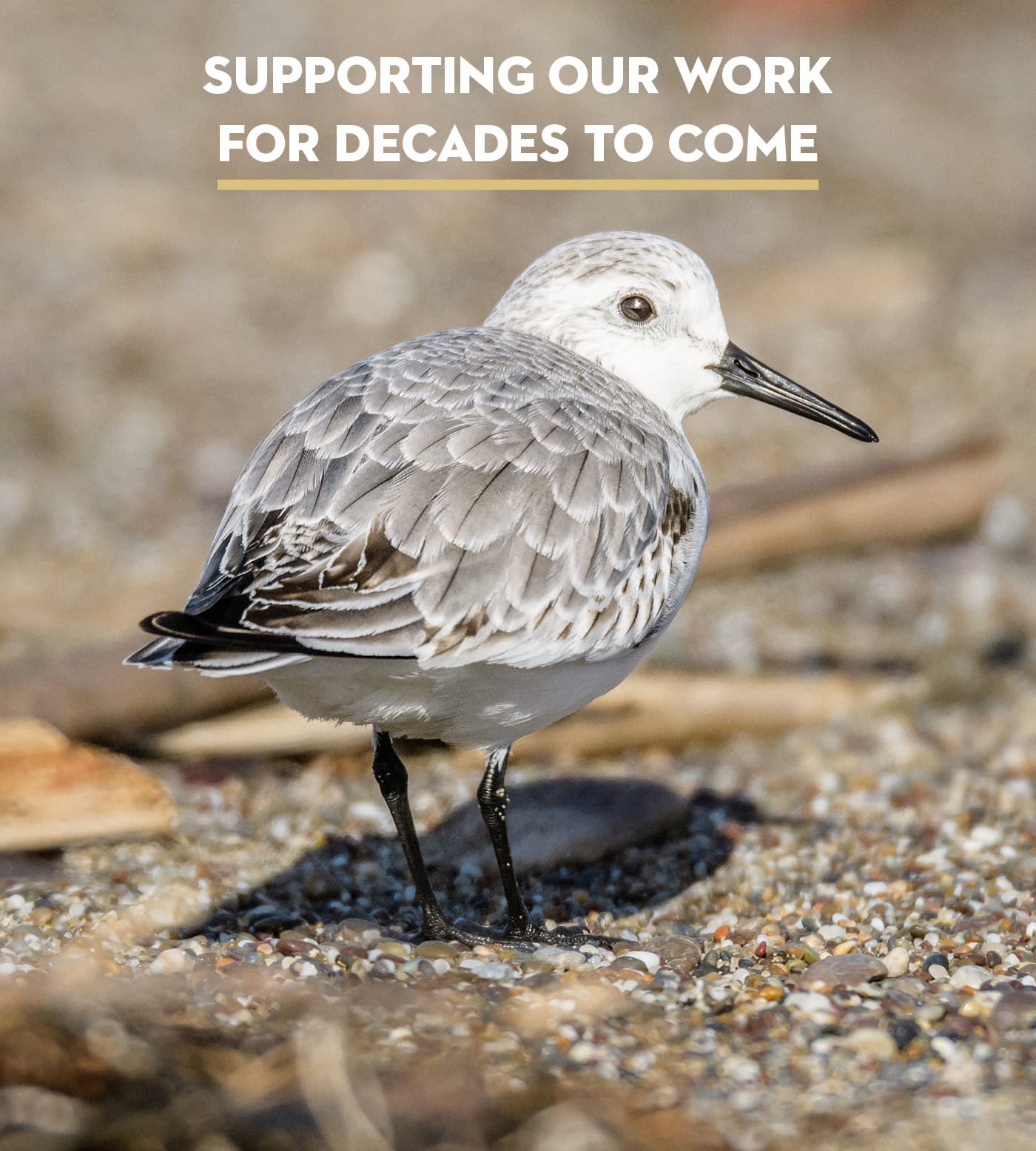
August is Make a Will Month, and when you leave a bequest to Sonoma Land Trust in your will or trust, make a beneficiary designation, or any other planned gift, it will spark an immediate gift to support our mission. Generous Legacy League members Dianne Brinson and Mark Radcliffe will donate $1,000 for every new legacy commitment, up to $30,000. We need 10 more new legacy donors to reach our goal before the challenge ends on December 31st. It’s a wonderful opportunity to sustain our work for decades to come while also making a difference right now.
To learn more, please email Camille Matson at camille@sonomalandtrust.org
News
Final Baylands Acquisition Closed!
Sonoma Land Trust Acquires Camp 5 Ranch to Advance Baylands Wetland Restoration
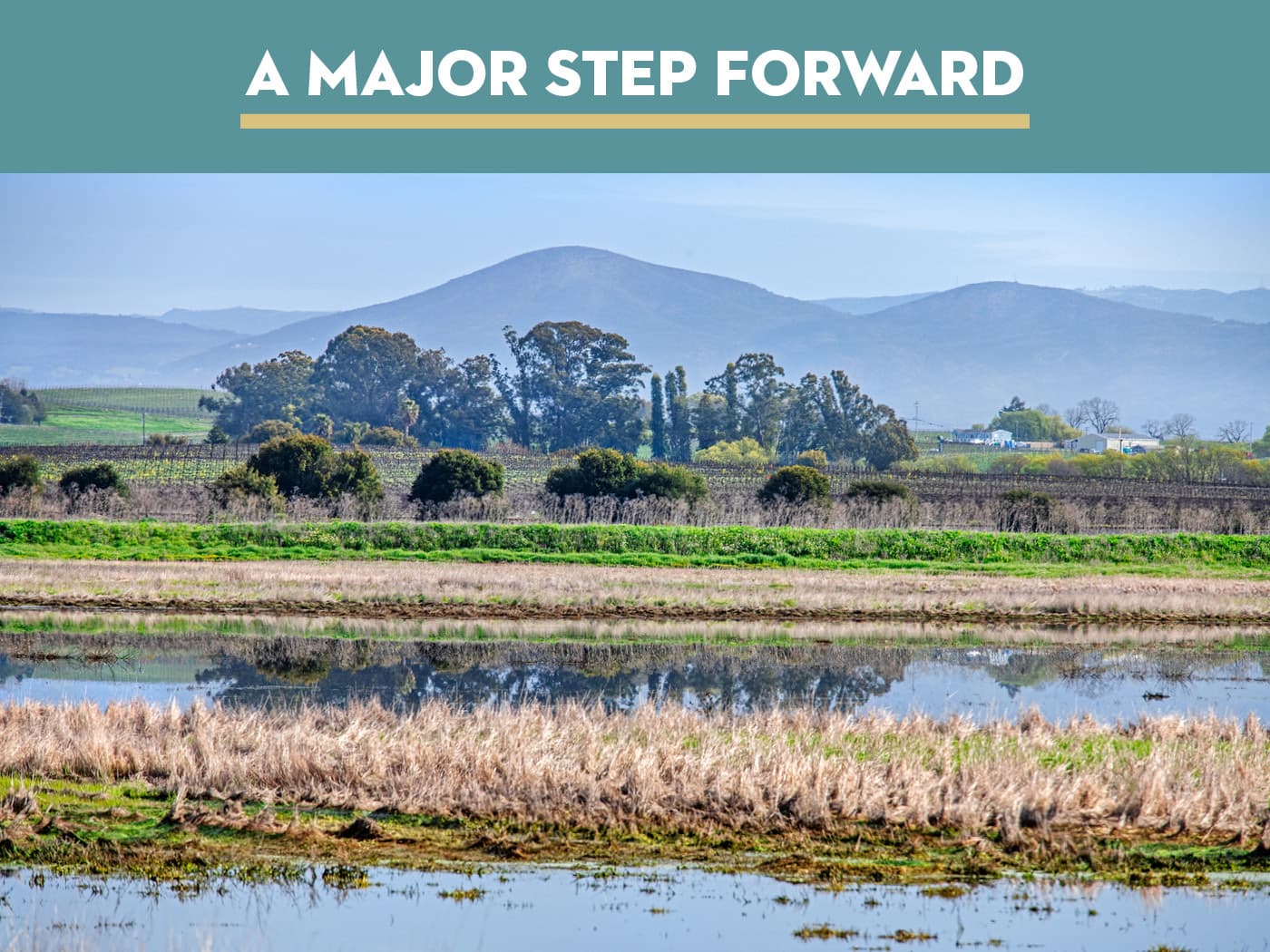
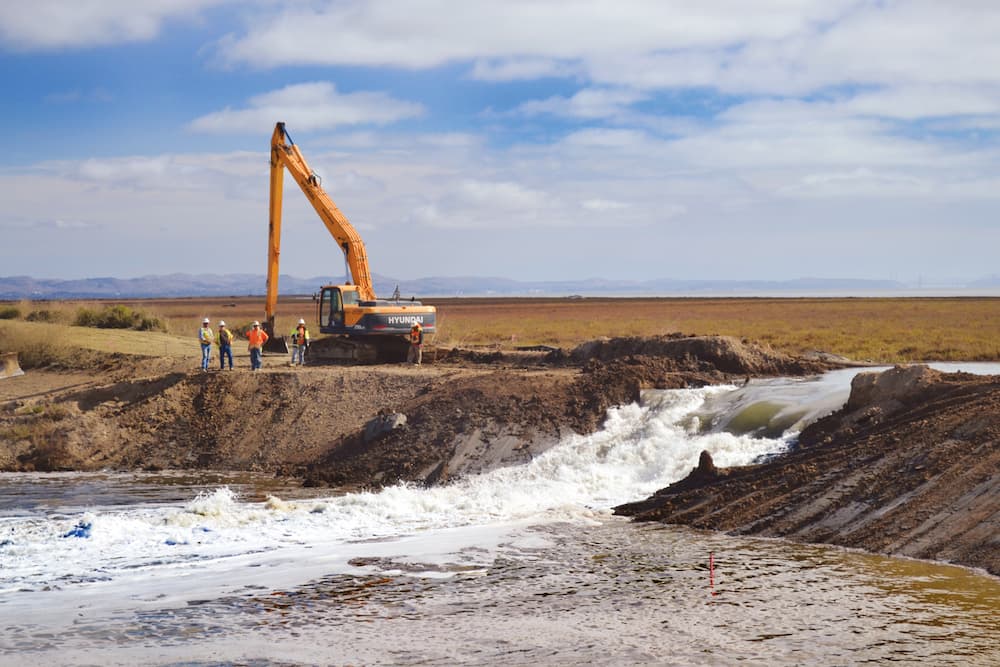
Sonoma Land Trust has acquired the 290-acre Camp 5 Ranch, a former oat hay farm in the heart of the Sonoma Creek Baylands, marking a major step forward in the effort to restore 10,000 acres of diked baylands to thriving tidal wetlands. Located adjacent to the San Pablo Bay National Wildlife Refuge, Camp 5 is strategically positioned to expand the refuge and reconnect critical hydrological pathways between the bay, Sonoma Creek, and neighboring marshlands.
This acquisition, made possible through support from the Natural Resources Conservation Service (NRCS), the Resources Legacy Fund, and private SLT donors, includes a Wetland Reserve Easement requiring farmland restoration to wetlands. Once restored, the property will be eligible for transfer to the U.S. Fish and Wildlife Service to become part of the Refuge.
Camp 5’s restoration will create habitat for threatened species, such as the salt marsh harvest mouse, Ridgway’s rail, and Chinook salmon, while also improving water quality, buffering against sea-level rise, and advancing climate resilience in the North Bay. The project builds on Sonoma Land Trust’s long-term vision for the Sonoma Creek Baylands and exemplifies the power of partnerships in shaping a more sustainable, biodiverse future for San Pablo Bay
Tax Smart Giving Webinar
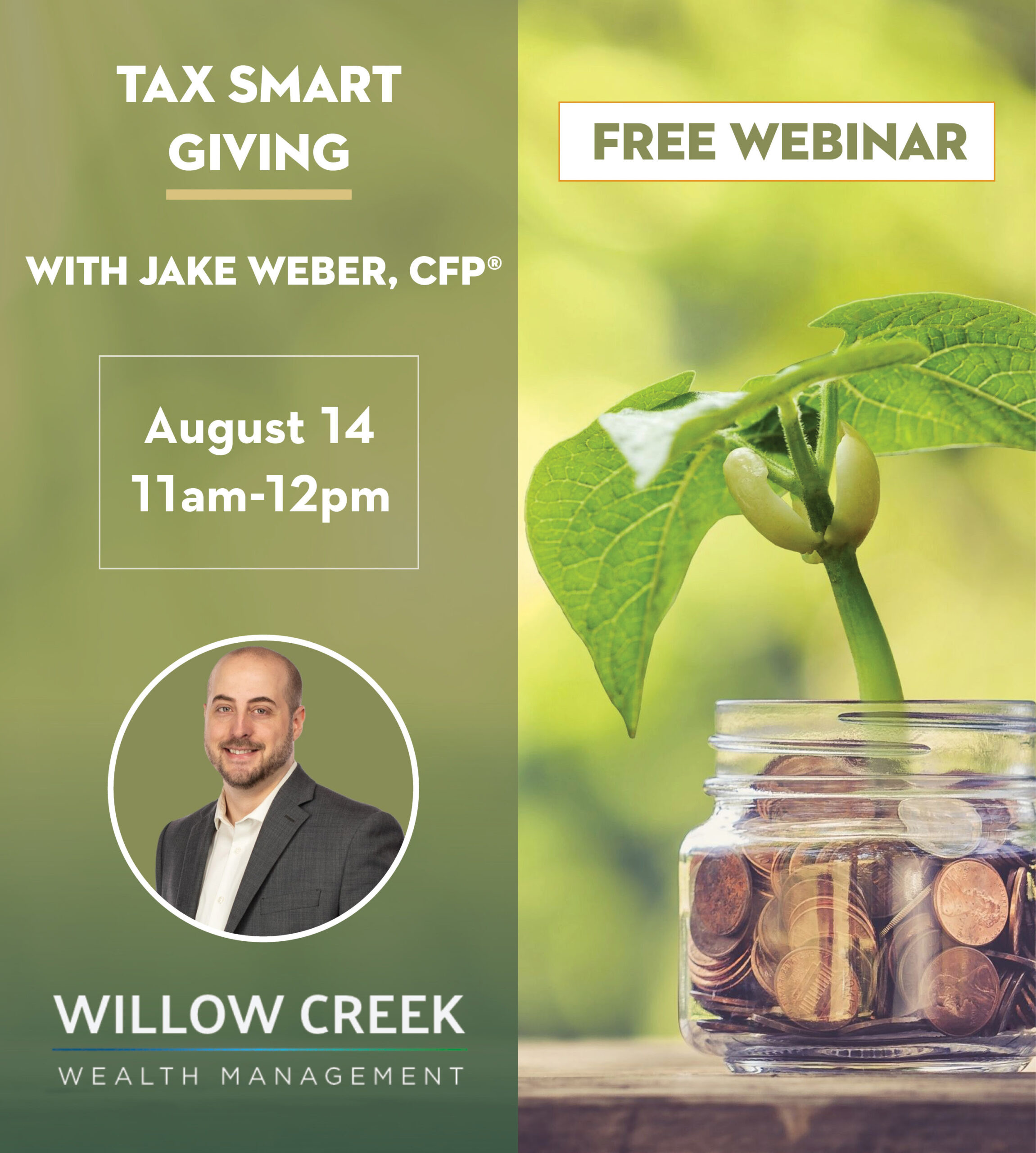
Join Sonoma Land Trust and our partner, Willow Creek Wealth Management for a webinar on August 14th, “Tax Smart Giving: A Conversation with a Wealth Advisor.”
Gift Planning & Donor Relations Manager Camille Matson will be joined by wealth advisor Jake Weber, CFP® for a lively conversation covering common giving tools like Donor Advised Funds, Charitable Remainder Trusts, gifts of appreciated stock, and more. Whether you’re just beginning to consider your legacy or already have a plan in place, this session will offer practical insights to support your philanthropic goals.
Free Language of the Land Webinars
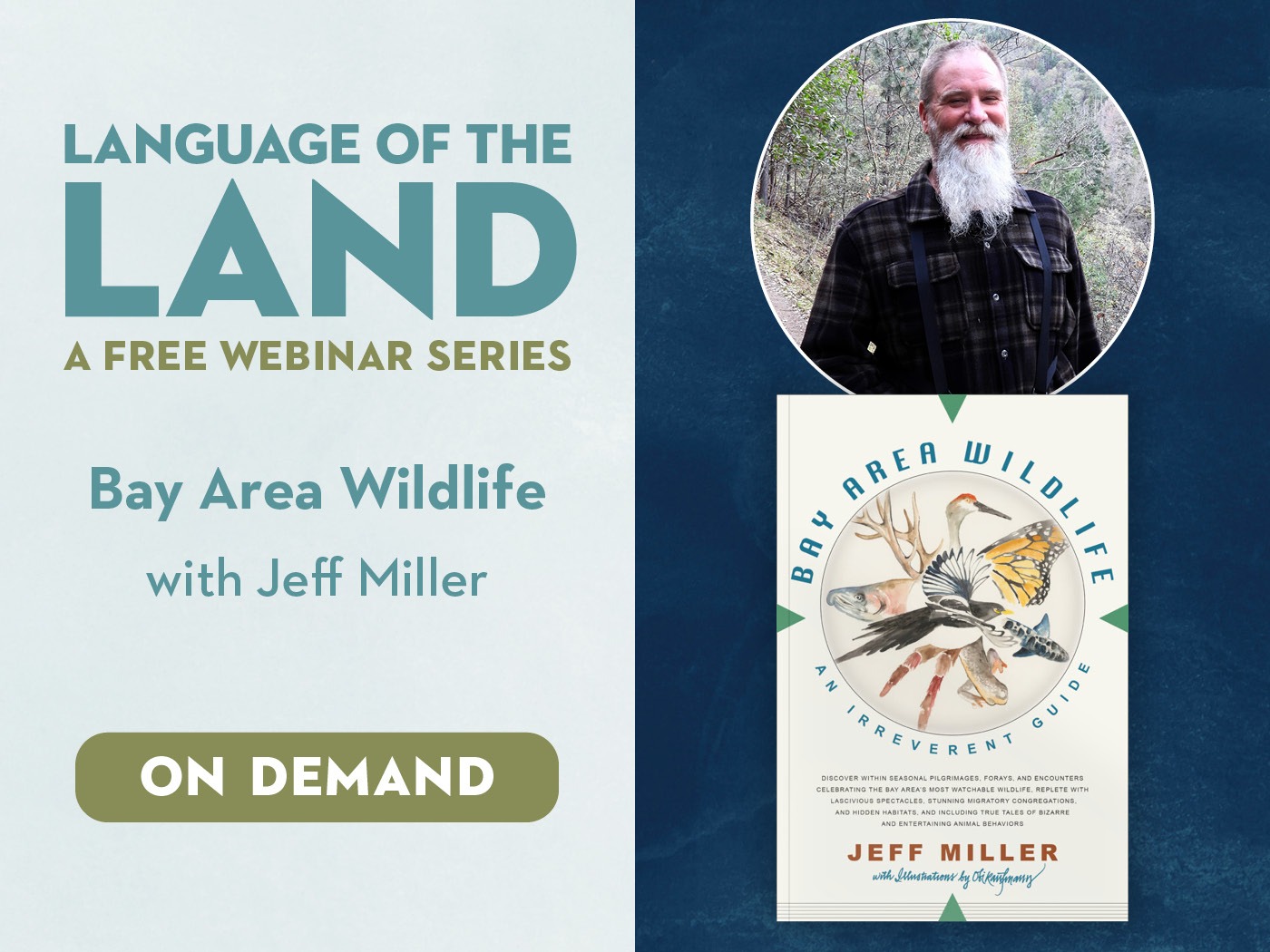
Conservationist Jeff Miller casts a spotlight on some of the San Francisco Bay Area’s most charismatic fauna, amazing animal congregations, and mass migrations. Author of “Bay Area Wildlife: An Irreverent Guide,” he discusses how habitat loss and climate breakdown endanger ever more animal species and how you can embrace your local animal neighbors.
Outings
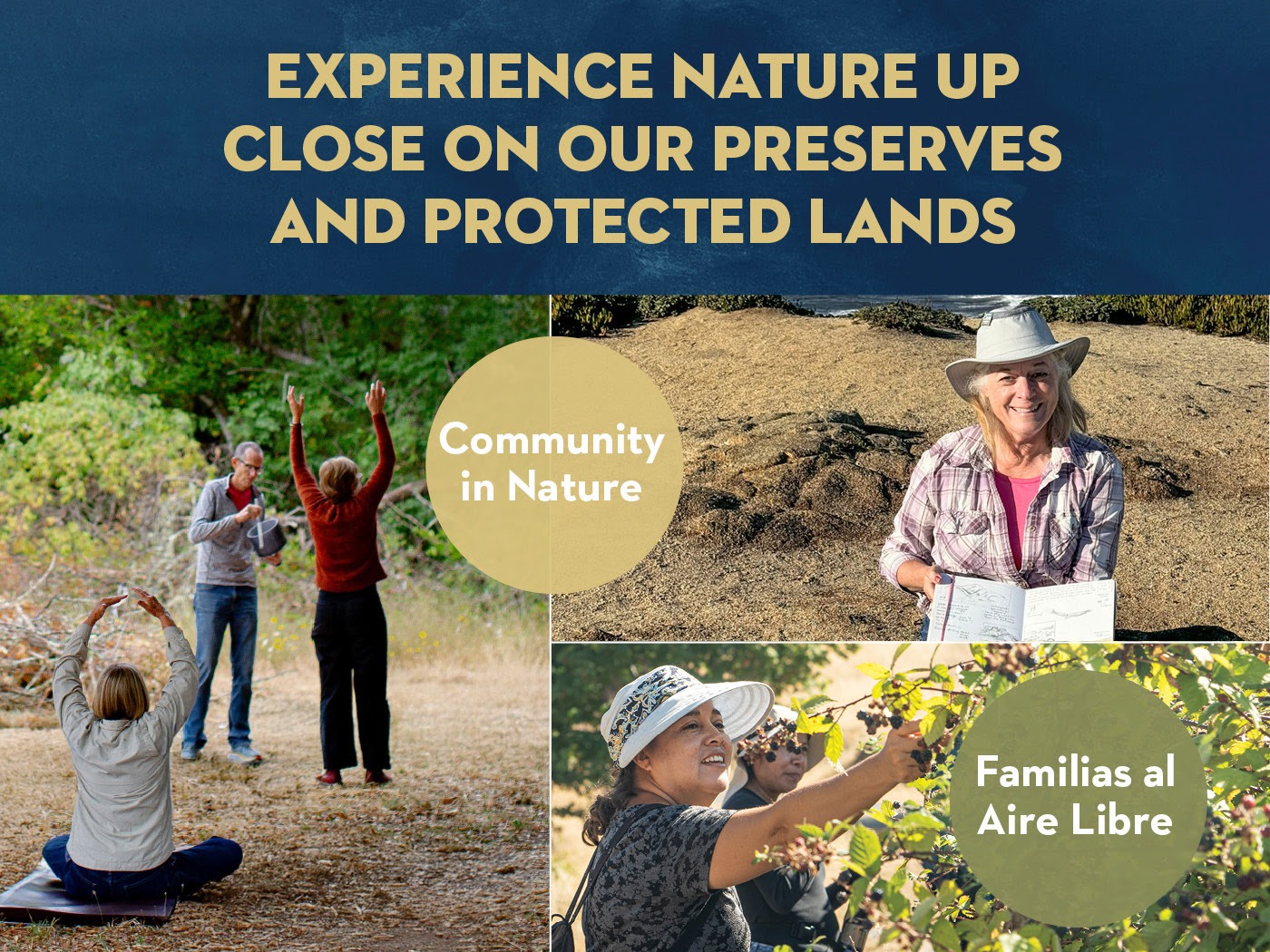
Join us out in nature this month! We’re hosting a series of urban creek walks and sunset hikes, as well as our monthly bilingual Familias al Aire Libre/Families Outdoors outing. Learn more and register on our website.
Recommendations

Wild Hope is a documentary series from HHMI Tangled Bank Studios spotlighting inspiring stories of biodiversity conservation success around the globe. Grant Coleman, stewardship technician at Sonoma Land Trust, enjoys learning about how people are proactively restoring species and stewarding nature to be resilient in a changing environment, “much like how we use fire as a natural process to steward our lands here at Sonoma Land Trust,” he says. Two of his favorite episodes that feature tiny workers are Episode 1: The Big Oyster and Episode 15: Coral Comeback. You can watch Wild Hope for free online: Wild Hope – Change is Closer Than You Think