Blog
alien invasion
by Fraser Ross
Invasive species are species not native to a habitat and whose presence may cause economic or environmental harm. Natural ecosystems have evolved over millennia to become beautifully and complexly balanced, and the introduction of a new species can easily disrupt this equilibrium.
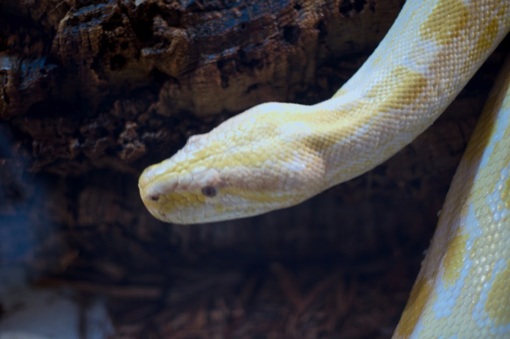
Many of the more dramatic and well-known examples of invasive species involve exotic animals. Burmese pythons (Python bivittatus), introduced to Florida from Southeast Asia through the exotic pet industry, are now thriving in the Florida Everglades, likely after being released by owners who found the snakes too much to handle. Growing up to 12 feet in length, and with voracious appetites, they are seriously impacting species native to the Everglades, such as foxes, wood rats and bobcats.


A brief history of the eucalyptus in California
Various eucalyptus species were brought to Europe from Australia in the late 18th Century, collected during the explorations of Captain James Cook. In Europe, they attracted the attention of botanists and exotic tree enthusiasts, eventually making their way to California with European settlers and through large seed shipments from Australia.
During the California Gold Rush, wood for fuel and for building was in high demand. As such, deforestation became a real problem and, in 1868, the California Tree Culture Act was created to encourage people to plant more trees. Beginning in the 1870s, large-scale eucalyptus planting began, with entrepreneurs hoping to capitalize on the sale of these fast-growing trees. Eucalyptus globolus, commonly known as blue gum eucalyptus, was the most commonly planted and is still the most common species of eucalyptus in California today. However, when the timber was harvested, the wood was too young and not of the same quality as the native trees. The wood bent, twisted and cracked, and was unusable for building, for railroad track ties or even for solid fence posts. As such, the eucalyptus timber industry never really took off in the way it could have, but many of the trees endured, and have since remained a part of the California landscape as ornamentals and windbreaks.
So what’s the problem?
Although perhaps not as destructive as some other invasive species, eucalyptus is still a relative newcomer to the California landscape and so can pose challenges to the native flora and fauna.
In Australia, eucalyptus trees provide natural habitats for dozens of mammal species, including koalas and wallabies. Additionally, hundreds of avian species have evolved to thrive alongside these trees. However, in California, the blue gum’s relatively short history combined with the toxicity of its leaves and bark has led to a relative lack of California wildlife capable of utilizing this species. Once established, blue gum eucalyptus can also alter local soil moisture, nutrient content and light availability, negatively affecting the opportunities and success of surrounding native flora and the fauna that depend upon them. This reduction in native flora and fauna means that dense eucalyptus groves in California lack — and may even decrease — the surrounding biodiversity.
These eucalyptus trees are also known to drop large volumes of leaves, branches and strips of bark. This debris is extremely flammable and, once ignited, has been known to drift from its origin and cause spot fires, increasing the intensity and spread of wildfires.

So…
While there are invasive species that pose greater threats to ecosystems, the eucalyptus in California can at least serve as a cautionary tale to remind us of our delicately balanced environment — and to think carefully about what we introduce to the landscape.
Sonoma Land Trust’s Sonoma Valley Wildlife Corridor project includes the removal of invasive species and restoration of native species. We aim to improve natural conditions for native wildlife, allowing them to thrive and move freely throughout their range.
Click here to find out more about the project and how you can help!