Blog
A Force for Nature: Paul Stange
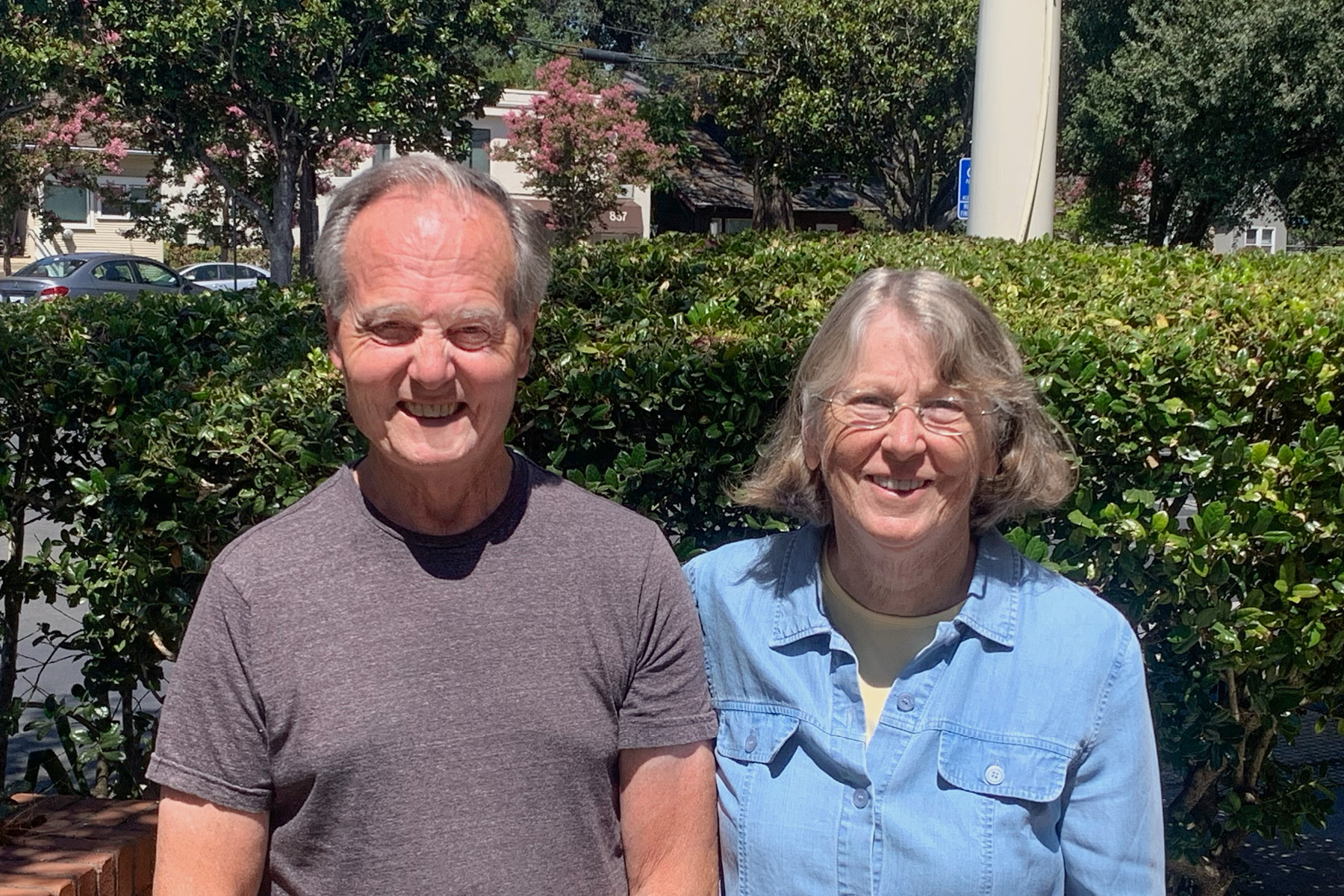
After a distinguished career working in policy analysis and implementation at the Centers for Disease Control and Prevention in Atlanta, Paul Stange stood at a crossroads, pondering where he and his partner, Anne Haddix, would spend the next chapter of their lives. The answer was never far from his heart. Having grown up in Vallejo and attended UC Berkeley, Paul’s connection to the Bay Area was strong, and he and Anne had often escaped to the serene beauty of Bodega Bay and our local wine country for vacations. This time, they were ready to make Sonoma County their home.
Choosing to be near the charming town of Occidental, they purchased land and built their dream home, surrounded by the natural splendor they had come to cherish. But settling down didn’t mean slowing down. Paul quickly found himself drawn into the fabric of the local community, volunteering with Fire Safe Occidental to help protect the area from wildfire risks. Anne and Paul didn’t stop there. Their commitment to their new home expanded beyond Occidental as they became active in the broader conservation and policy efforts across the North Bay. For Paul, it was more than just a retirement—it was a return to his roots and a new adventure in a place where the past and future seamlessly intertwined.
Paul and Anne quickly became acquainted with Sonoma Land Trust after they settled in the area in 2018, and as avid hikers took full advantage of the free outings we offer across the county. He shares that they “went on basically all of the outings, from raptor watching at the Jenner Headlands, to wildflower walks at the Sears Point uplands, to an exploration of wildfire recovery at Glen Oaks Ranch.” However, his commitment to the organization was cemented when he learned more about the Land Trust’s restoration program in the San Pablo Baylands, and our involvement in improvements to State Route 37.
The area is close to Paul’s heart, as his parents lived in a home just one block away from the Mare Island Strait. At the time, CalTrans was building a road through the sensitive marshland habitat, and Paul’s mother was part of a community activist group with the goal of ensuring the damage to the surrounding wetlands was minimal. Decades later, the current conversation around State Route 37 is compelling to Paul in that he sees incredible potential to curb the increasingly frequent flooding that plagues the road, while at the same time preserving and restoring the surrounding habitat. He describes it as “almost a perfect situation for advocacy,” and the benefits would be far-reaching throughout the entire North Bay Area – not just for Sonoma County but for Marin, Napa, and Solano counties as well.
Paul sees collaboration as a key to success in finding solutions, both in the policy sphere as well as in philanthropy. He points out that “nature doesn’t abide by the borders, parcels, and county lines that humans have established, our area is a series of interconnected landscapes and ecosystems.” Habitat restoration and revitalization in the Baylands benefits from Sonoma Land Trust partnering with other invested actors – from elected officials to private property owners, to other environmental nonprofits. Similarly, Paul sees great potential for creative thinking around how to fund large-scale projects. He and Anne are generous supporters of the Land Trust at the Blue Sky Leadership Circle level, and he’s interested in connecting with other donors with similar interests and commitments to “collectively match the scale of the ecosystem issues we’re facing with a set of innovative financing solutions.”
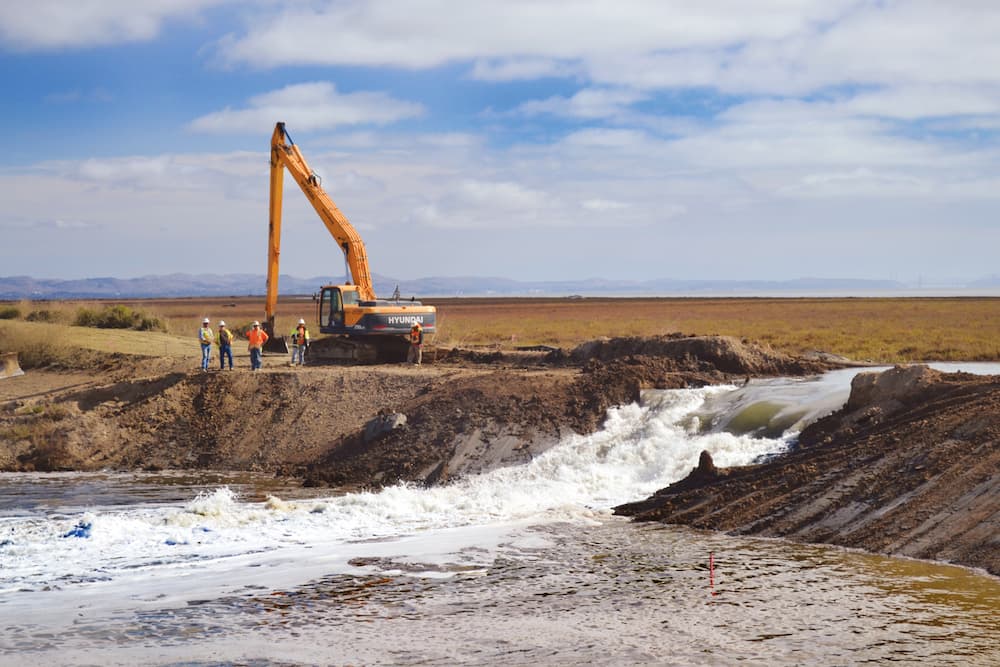
Paul’s vision for the Baylands is bolstered by the progress we’ve already made. He mentions sloshing through the mud at Sears Point with Land Trust staff a couple of years ago, getting as close as possible to where we breached the levee in 2015 to transform the area back into wetlands: “You breach the levee and you start seeing birds flying, the water quality improves, biodiversity skyrockets as the habitat is restored. With an investment in this work, the returns keep coming.”