Sonoma Valley Wildlife Corridor
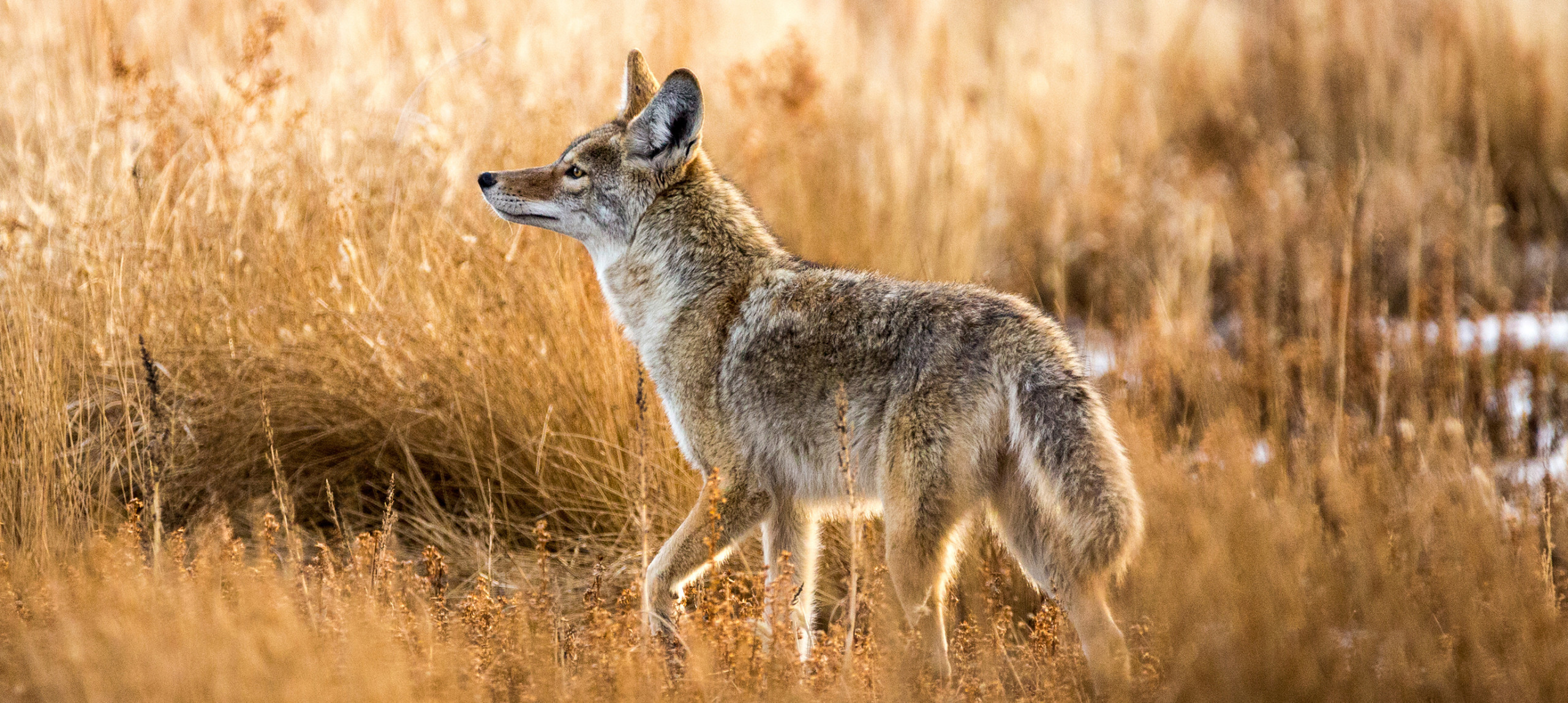
Keeping pathways open for wildlife
The Sonoma Valley Wildlife Corridor brings together protected lands across our region, creating a continuous pathway where wildlife can move safely.
Development pressures on ecosystems
In Sonoma Valley, increasing development pressures, including around the Sonoma Developmental Center, are threatening critical wildlife passageways. When natural routes become constricted by roads, buildings, or other human uses, wildlife populations face greater barriers to reaching food, mates, and shelter, which deteriorates their quality of life and puts them at risk for extinction. Protecting and enhancing these landscapes helps ensure wild species can continue to move freely and adapt in the face of climate change and growth pressures.
Wildlife on the move
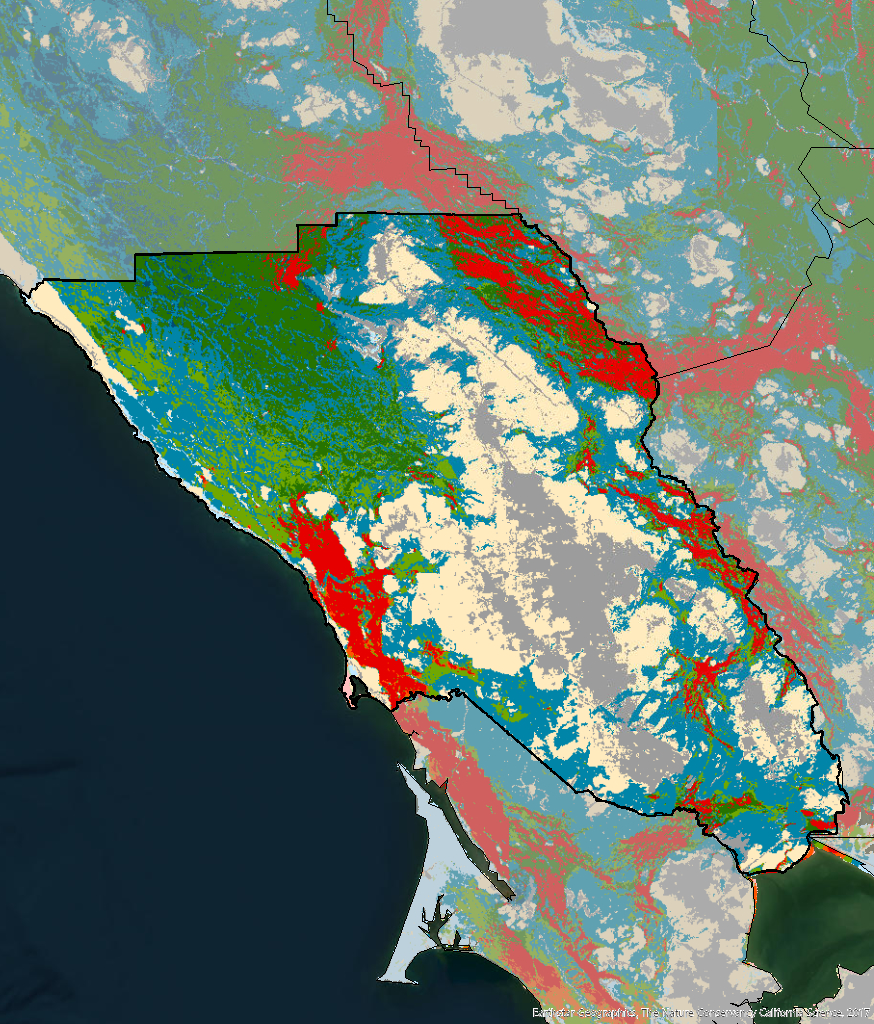
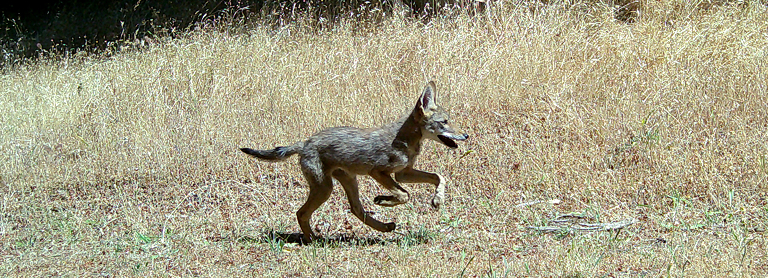
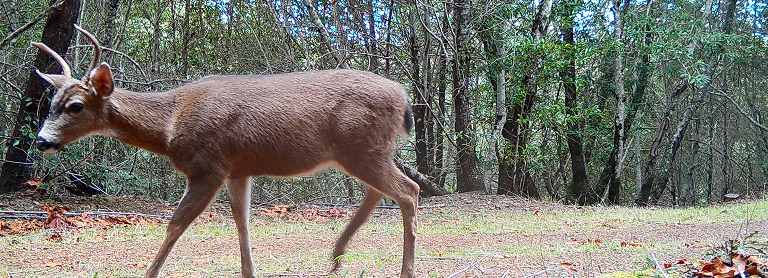
See how animals like mountain lions, badger, deer, and many others move, migrate, and survive throughout the protected Sonoma Valley Wildlife Corridor. This natural pathway links Sonoma Mountain, the valley floor, and the Mayacamas Mountains, from the Marin Coast to the Blue Ridge–Berryessa region in Napa and Lake Counties.
WILDLIFE CAMERA STUDY
Our wildlife monitoring program in Sonoma Valley is currently undertaking a yearlong study on Highway 12, using 36 cameras spread over 13 miles. Sonoma Land Trust is leading a partnership with CalTrans, CDFW, Pathways for Wildlife, and All Hands Ecology are monitoring crossings, tracking roadkill, analyzing habitat barriers, and developing a comprehensive plan to retrofit culverts and bridges, add new wildlife passages and fencing, and improve connectivity along one of California’s 61 highest-priority wildlife barriers.
Why does this matter? Science tells us that to avoid extinction in the short term, there must be at least 50 individuals to breed, and 500 are needed to maintain a healthy population for the long term.
100
Conservation projects completed
137
Monthly Supporters
250
Legacy League Members