Blog
fire recovery on the land
by Tom Tolliver
As I approached the end of the meadow where the grass and browse are quickly recovering from the fire, I could see about eight blacktail deer crossing it. I counted one buck, what appeared to be two yearlings and five does heading for Stuart Creek. This was the third week of February at Glen Oaks Ranch.
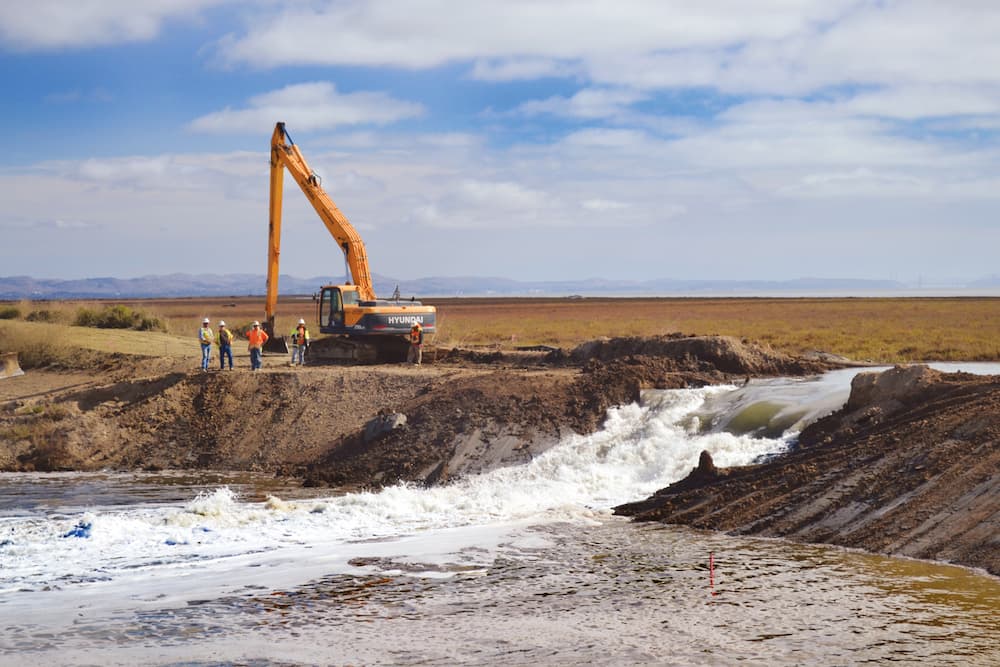
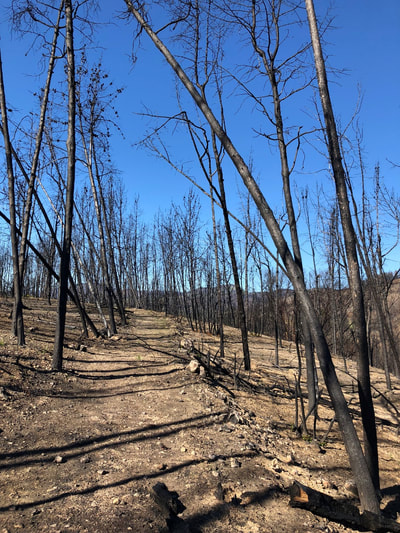
My job as fire recovery project manager is to manage the repair or replacement of the infrastructure at our fire-affected preserves. This offers an opportunity to see firsthand not only the damage at the Live Oaks, Glen Oaks and Sears Point Ranch preserves, but also how natural processes repair the fire damage of the natural areas. The best story is the one told in photos. (Click photos for captions)
My job as fire recovery project manager is to manage the repair or replacement of the infrastructure at our fire-affected preserves. This offers an opportunity to see firsthand not only the damage at the Live Oaks, Glen Oaks and Sears Point Ranch preserves, but also how natural processes repair the fire damage of the natural areas. The best story is the one told in photos. (Click photos for captions)
glen oaks ranch


live oaks ranch


sears point ranch


signs of recovery


Historically, local native American tribes deliberately burned lands to improve forage, control insects and increase basket-making materials. Today, we have the opportunity to see what they saw, as the land repairs itself and returns to a new stasis. In my work, I’ve been fortunate to regularly see firsthand not only the damage, but also to witness how natural processes repair the fire damage of our protected lands. They are, as they say, “fire adapted.”
Tom Tolliver is the fire recovery project manager at SLT. Almost daily he gets to enjoy spectacular views and witness nature at its finest, and he continually asks himself, “They pay me for this?”