Blog
What can spending 10 minutes in nature do for you?
Nature Is the Best Medicine
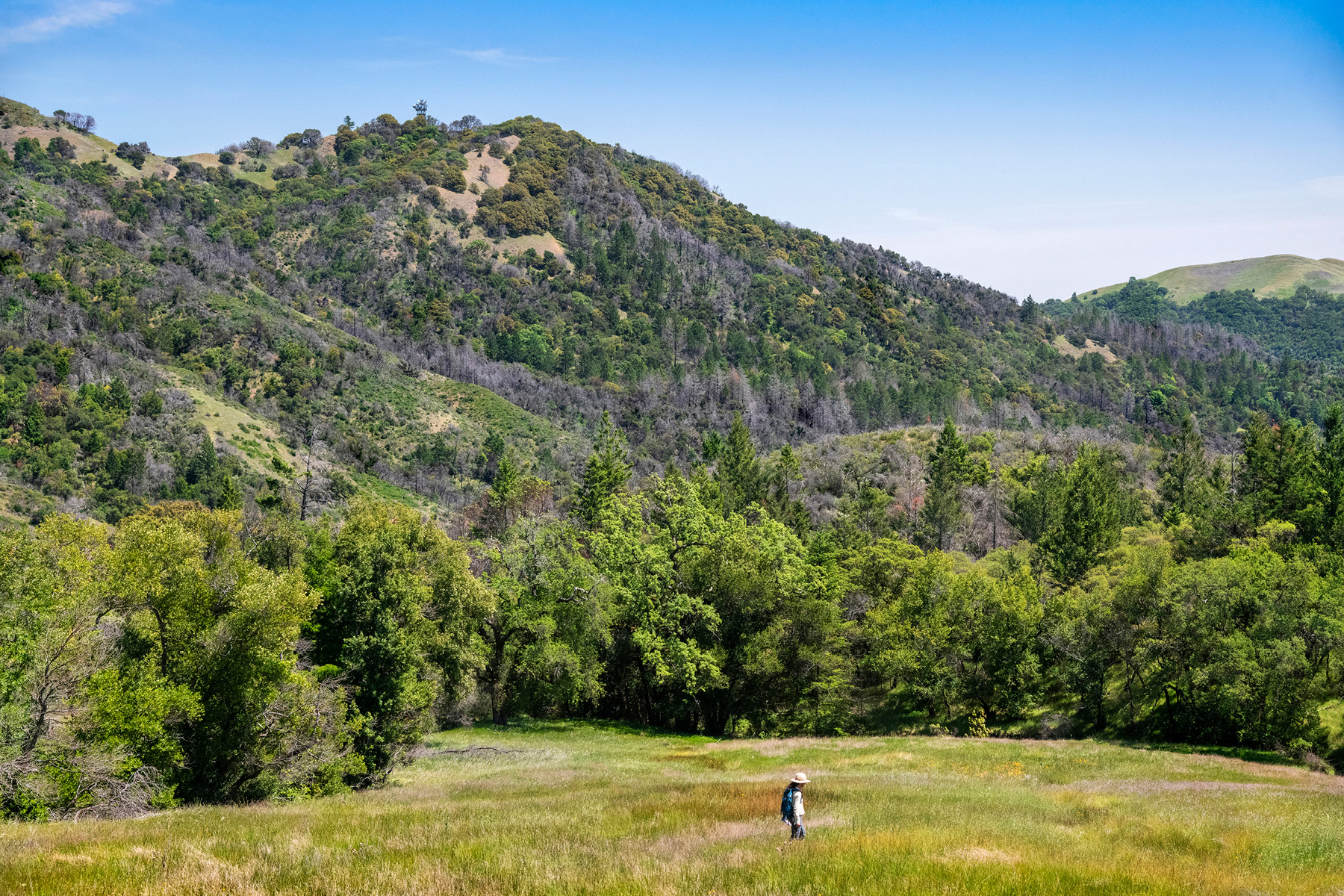
It’s no surprise that spending time in nature can be good for us, but science is now catching up to what many of us feel intuitively: time outdoors supports our mental, physical, and emotional health in measurable ways. In Sonoma County, where coastlines, forests, creeks, and grasslands are part of daily life, that connection is never far away.
Mind and spirit
A growing body of research shows that spending time in nature reduces anxiety, depression, and stress. Analyzing data across many studies consistently finds that even modest exposure to natural environments improves mood and emotional wellbeing. The benefits don’t require a long hike or a weekend getaway: studies suggest that as little as 10–15 minutes outdoors can improve our moods and sharpen focus. If you aren’t able to get outside for a strenuous hike, no fear—passive exposure to nature can make a difference. It can be as simple as stepping outside and noticing the nature around you.
Nature also helps the brain recover from mental fatigue—something we all need in our busy information-filled and tech-obsessed modern lives. According to Attention Restoration Theory (ART), natural settings allow the mind to rest from the constant demands of screens, notifications, and decision-making that shape our days. Nature helps us deal with pain, too, from physical pain to the pain of emotions like anxiety, grief, and anticipation. A 2025 study published in Nature Communications found that viewing natural scenes—both real and virtual—reduced pain intensity by actually dampening neural pain signals in the brain. Thanks, nature! And then there’s awe. Standing where a river meets the ocean, walking beneath towering redwoods, or watching fog lift off the hills can spark a feeling of vastness and connection to something greater than ourselves. Research has linked awe to greater wellbeing, expanded perspective, and a deeper sense of community and belonging. Sonoma County offers no shortage of places to experience that sense of wonder. It is one of the many reasons why so many people have advocated for and invested in protecting this special place.
Body
Time outdoors is also linked to lower blood pressure, improved cardiovascular health, and better sleep quality. Natural light plays a key role in regulating circadian rhythms, helping align sleep, hormone production, and energy levels. Spending time amongst trees—often called forest bathing, from the practice shinrin yoku that originated in Japan—has been shown to boost our physical health in measurable ways. As we walk through a forest and breathe in the air, we inhale natural compounds released by trees that evolved to protect the trees from pathogens and pests. One example you’re probably familiar with is antifungal and antimicrobial pinene, the signature scent of pine trees that the common household cleaner Pine-sol gets its name from (although the product no longer contains real pine oil). Research shows these compounds are associated with lowering stress hormones like cortisol and adrenaline and increasing activity of natural killer cells, a key part of our immune systems. Together, these effects help the body recuperate from chronic stress and support immune function and recovery.
And we can’t forget about the benefits of a sunny day. Not only does sunlight boost our mood, but when our skin absorbs UVB rays, it converts a cholesterol-like molecule into vitamin D3, the form our bodies can use, which we need for everything from strong bones to a healthy immune system. More than 80% of our Vitamin D needs are fulfilled by just 10-30 minutes of sunlight exposure a day (just remember to wear sunscreen!). Nature also offers plenty of opportunity to improve our cardiovascular health through exercises like walking, running, kayaking, playing ball—the possibilities are endless.
Small steps you can take
Any nature is better than no nature. Parks, rivers, coastal trails, backyard gardens, or even viewing nature visuals at home can help (like on our social media channels and Language of the Land webinars!). Research suggests aiming for about two hours per week of intentional nature time for measurable benefits. Simple habits—stepping outside at sunrise or taking a midday walk through a green space—can support sleep, focus, and help us regulate stress. In Sonoma County, the medicine we need is all around us and is just what the doctor ordered!
Special thanks to Dr. Anita Das, board member and epidemiologist, for contributing her expertise to this edition of eNews.