Blog
The future of conservation starts here
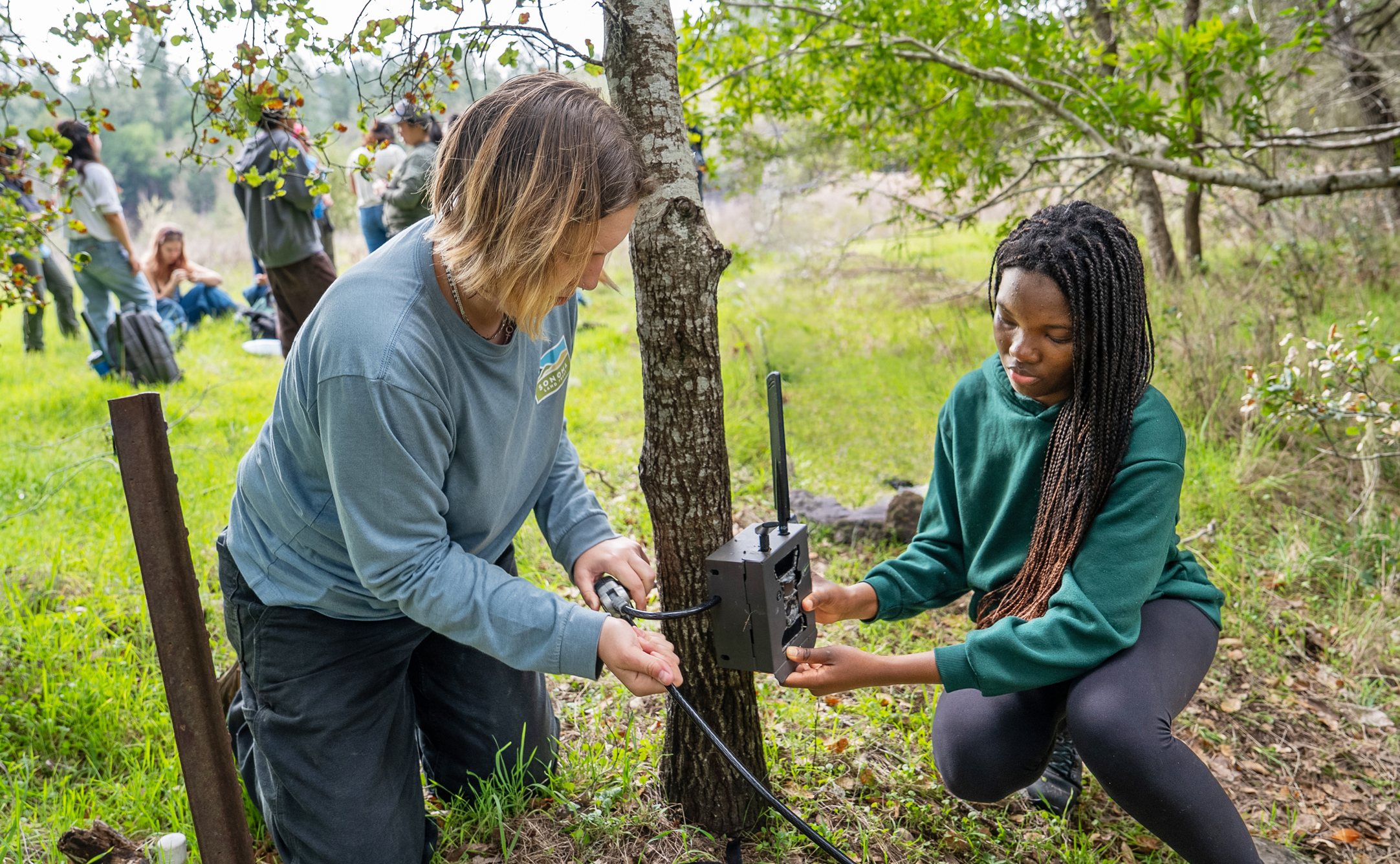
With a blue sky overhead and fresh air in their lungs, a group of cheerfully chattering students fans out across our Laufenburg Ranch Preserve. Notebooks in hand, they split off into small groups, stopping to dig in the soil or write down observations about the landscape. These students may look like they’re having fun outside (which they are), but they’re also collecting data for the scientific research projects they’ve designed, and by the end of the year, this cohort of 2024-2025 Conservation Council students will have presented their findings to conservation practitioners and achieved something many of them never believed they could: they’ll have done real conservation science.
For many of the teens, this is their first time participating not just in the scientific method, but in applied science. We are showing them not just theory, but how their work can influence the real world. Conservation Council is designed for youth who have had limited access to science education and outdoor spaces—students from underfunded schools, low-income families, and communities historically excluded from conservation.
Of the 26 students in the 2024–2025 cohort, 62% came from low-income families, 81% identified as youth of color, 12% as LGBTQ+, 42% were first-generation college-bound, and 73% lived in climate-impacted neighborhoods.
Our program’s recruitment follows a specially-designed data-driven process that minimizes bias and supports equity-focused decisions. Priority audiences include low-income youth, youth of color, LGBTQ+ youth, first-generation college-bound students, and those most affected by climate change. Of the 26 students in the 2024–2025 cohort, 62% came from low-income families, 81% identified as youth of color, 12% as LGBTQ+, 42% were first-generation college-bound, and 73% lived in climate-impacted neighborhoods. “Part of that is also that they likely go to schools that are underfunded without access to quality education where they can actually put things into practice and learn hands-on,” says program lead and bilingual youth programs manager Mirella Ramos.
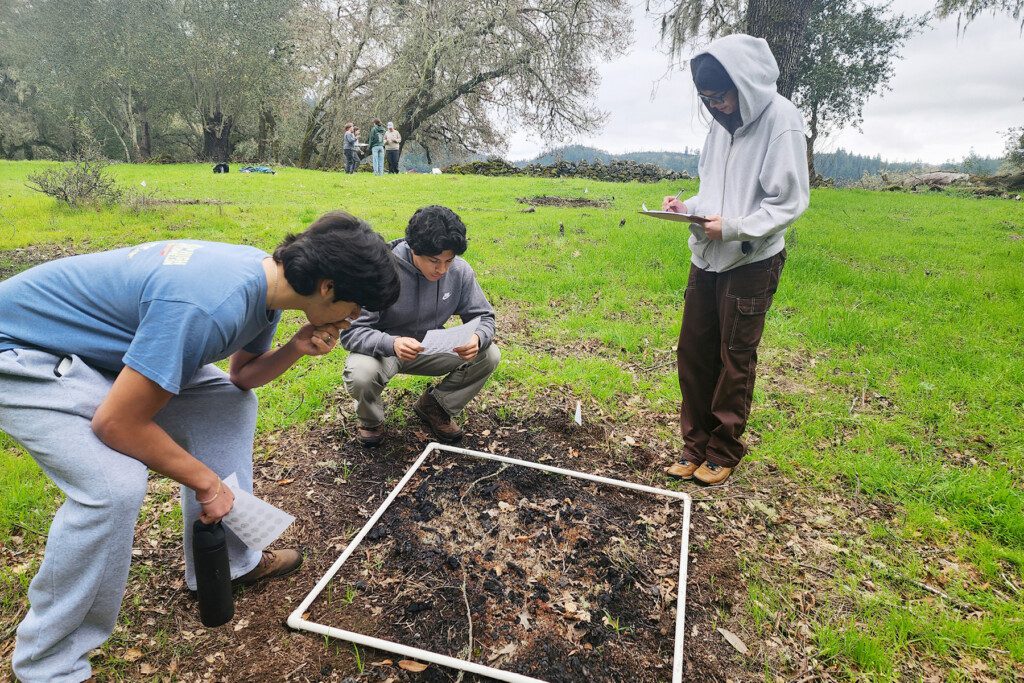
Last year, the cohort worked in two teams—Soil and Wildlife—designing and carrying out their own research, answering questions like, how does fire alter soil chemistry? How do species move through a landscape? How can we observe ecological change, and what might those changes imply? Working independently but under the guidance of Sonoma Land Trust staff, students generated findings relevant to land management, culminating in the annual Research Showcase where they presented papers and scientific posters to peers, families, and conservation professionals.
“One of the most important goals for Conservation Council is for young people to build an identity, to be able to see themselves as scientists,” —Mirella Ramos
“One of the most important goals for Conservation Council is for young people to build an identity, to be able to see themselves as scientists,” Ramos says, which isn’t something they had growing up, “and of course, building an appreciation for and an ethic around conservation.”
The program moves between classroom and field, combining research with skill-building—like public speaking and time management—while creating space for students to learn from one another. “When they’re in a group, they actually motivate each other,” Ramos says. “We’ve seen their grades improve because they’re seeing their peers and thinking, ‘I can be doing those things, too.’ It builds that confidence and helps them recognize they have the ability to show up as leaders.”
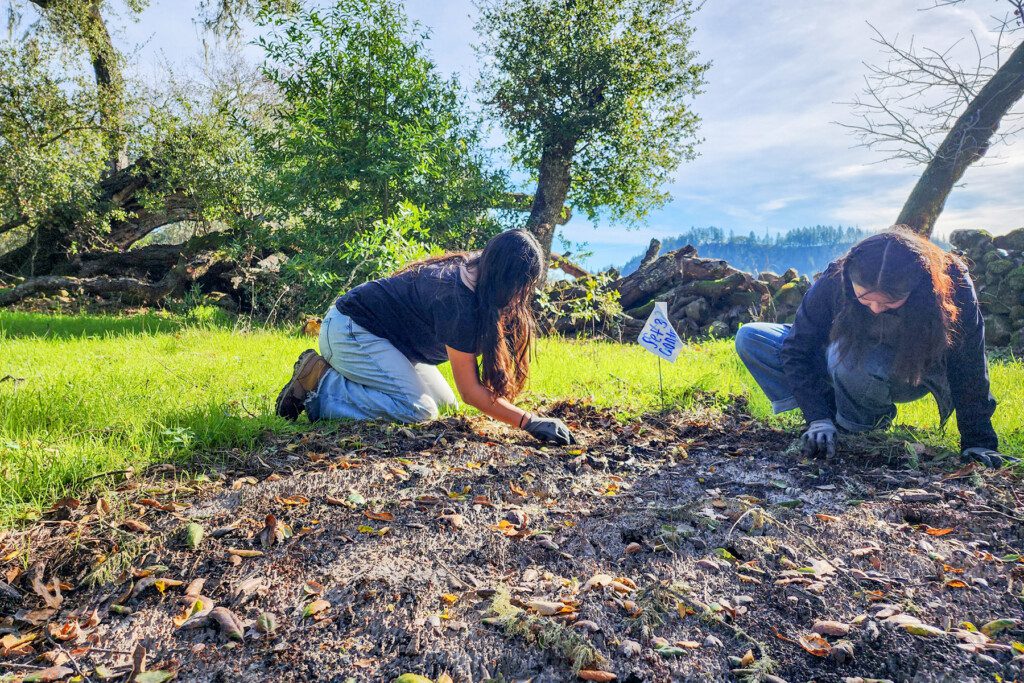
Weekly workshops introduce the scientific process, conservation science, and research design, while complementary sessions build practical skills such as outdoor safety, financial literacy, and communication. On alternating Saturdays, Expedition Days bring students to preserves across Sonoma County, where they get to see conservation in practice, conduct fieldwork, and reflect as a cohort, with dedicated time each month to advance their research and presentations.
Building on this foundation, students carry out primary research tied to real management questions. The Soil Team studied the November 2024 Cook Fire’s impact at Laufenburg Ranch, comparing postfire samples with baseline data and finding increases in soil pH and phosphorus, while nitrogen and organic carbon remained stable. At the same time, the Wildlife Team analyzed four years of camera footage to assess biodiversity, documenting a rise in nonnative species. Together, these projects offer insight into how fire and species shifts are reshaping the landscape, demonstrating how sustained observation can reveal subtle but consequential ecological change.
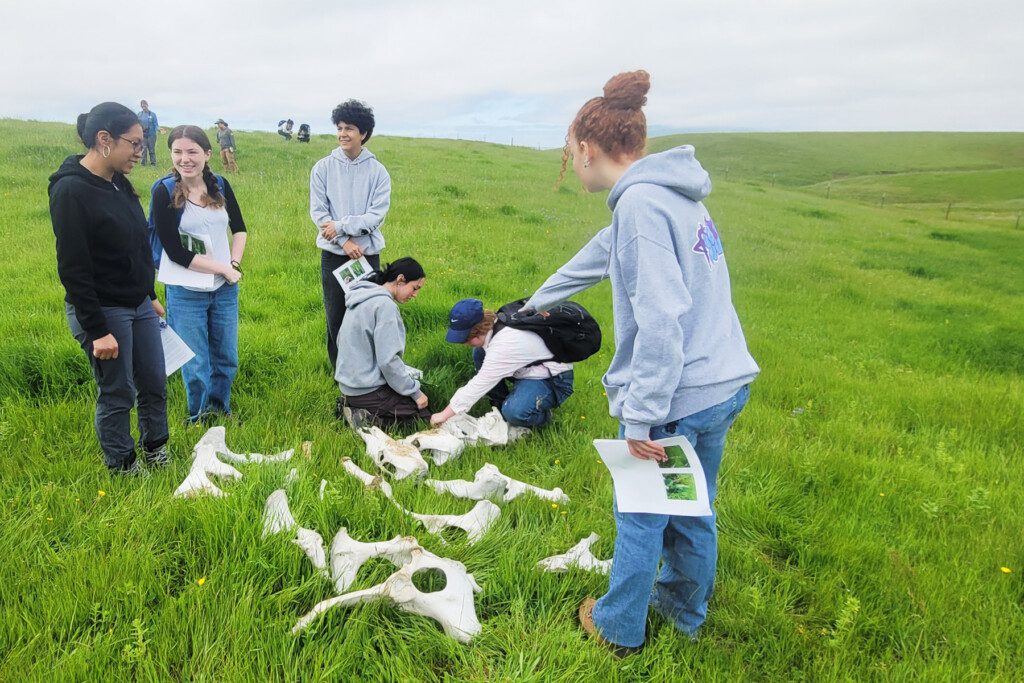
When students were asked to give feedback on their experience in Conservation Council, here are some highlights from what they had to say:
“I learned a ton about overall conservation and how to actually apply the teachings in the real world instead of having to learn it thought textbook but applying it really made it more personal and more of a connection.” —Julia, Healdsburg High School
“After being able to be a part of Conservation Council, I feel as though I have found a new sense of community, and appreciation for the outdoors. I also feel like I have a better grasp on what a career in conservation could look like.” —Jaskaran, Casa Grande High School
“One of the most memorable trips we took during Conservation Council this year was our trip to UC Berkeley. It was such a fun and interactive day. Never having toured the campus before, that was the first time I ever got to look at it, and it played a huge role in my time applying to colleges.” —Yesenia, Piner High School
“Along with being inclusive and a wonderful space, Conservation Council is one of the most welcoming and safest places I’ve ever been. It’s a place I’ve gotten to interact with many people from many backgrounds with many experiences, learn about the land around me along with its history, and allowed to be who I am and do what I love. It may be one of the best programs out there, and I’m honored I got to join this year.” —Ash, Maria Carillo High School
While Conservation Council is specifically focused on conservation science, Ramos designed the program to be holistic, which is evident in the student feedback. “They’re often surprised that we’re taking them on hikes across Sonoma County, for their own enjoyment and connection with each other and with nature,” Ramos remarked. “We’re not just focused on what we can give students; it’s about how we invest in young people so they can continue to develop their own voices and make choices that better our community and generations to come.”