Blog
Are the birds alright?
There are innumerable reasons to love birds—their stylish plumage, their intricate vocalizations, their graceful and playful antics. They’re also incredibly sensitive, yet masterful adapters to the changing world around them.
Sometimes, though, the environment changes faster than they can keep up, and in many cases, birds are bellwethers of a overall ecosystem health. To find out how local avian populations are doing, the San Francisco Bay State of the Birds report has tracked the trends observed in our local avian populations and combines them with long-term monitoring data about their habitats across the estuary— tidal marshes, mudflats, and open waters—tracking whether conservation and restoration efforts are delivering measurable results. In 2025, a new website was launched that lets us take a peek into datasets, key updates, and more.
Birds can serve as useful indicators of ecosystem health. Because birds tend to be sensitive to habitat changes and respond quickly to these changes, their population trends can alert us to problems, reveal how well our ecosystems are functioning overall, and help us understand the degree to which conservation and restoration efforts are effective.
The State of the Birds initiative was created by the San Francisco Bay Joint Venture in partnership with Point Blue Conservation Science to protect migratory birds. In San Francisco Bay, Point Blue’s keystone monitoring efforts began 30 years ago, providing one of the most comprehensive records of tidal marsh bird populations anywhere in the region. More recent datasets, including the Pacific Flyway Shorebird Survey led by Point Blue since 2010, expand that lens to tidal flats and migratory shorebirds across the West Coast.
Together, these datasets form the scientific backbone of the State of the Birds report. They allow researchers and land managers to evaluate habitat quality over time, identify emerging threats, and adjust conservation strategies based on scientific evidence.
The San Francisco Bay Joint Venture—a voluntary collaboration of 25 agencies, nonprofits, businesses, and community members—has set ambitious goals looking ahead to 2035, focused on habitat connectivity, species recovery, and climate resilience. The State of the Birds website plays a central role in tracking progress toward those goals, using wildlife indicators to reflect ecosystem health and guide future restoration efforts.
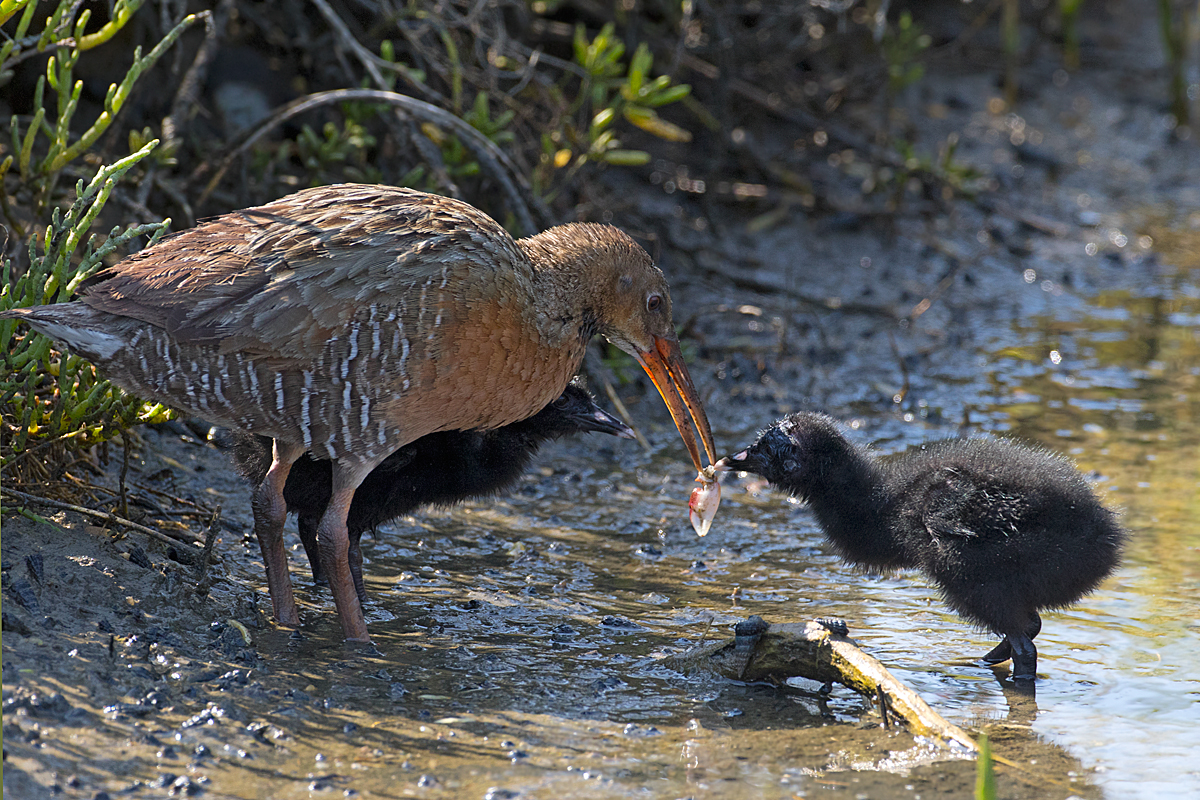
Overall trends. This is the science that’s leading us to put resources into restoration efforts for Ridgway’s rails. And the science show’s it’s working.
Overall, some clear trends emerge. Marsh birds—those endemic species that depend on tidal wetland habitats around the Bay—are doing well. Shorebird populations, on the other hand, are declining.
Among the report’s three featured success stories is one from our work in the Sonoma Baylands:
Restoring Habitat in the North Bay: Sears Point to the Sonoma Baylands
By Julian Meisler
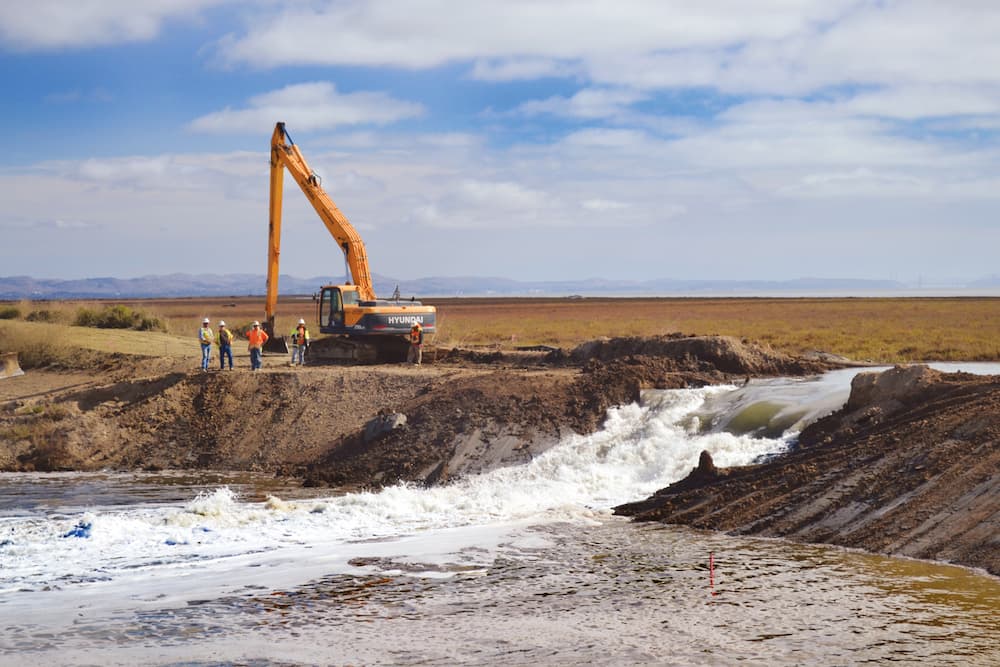
In October 2015, Sonoma Land Trust, Ducks Unlimited, and partners breached the century-old levee at Sears Point, restoring tidal action to 970 acres of former agricultural baylands on the north shore of San Pablo Bay. The response from wildlife was immediate—seals, otters, bat rays, schools of fish, and thousands of shorebirds and waterfowl returned to the site within weeks. Since then, Sonoma Land Trust has conducted more than seventy surveys to document how bird use has shifted as the habitat evolves. Initially, the deeper waters supported diving ducks, such as Canvasbacks and scaup, but as sediment has accumulated and created expansive mudflats, large numbers of shorebirds, including Western and Least Sandpipers, now utilize the area during migration.
As the site continues to accumulate sediment and transition into a vegetated marsh, cordgrass and pickleweed are establishing, setting the stage for marsh-dependent birds. The endangered California Ridgway’s Rail is expected to colonize first, followed by Black Rails. Nearby examples point to this trajectory, such as the Sonoma Baylands site, restored in the mid-1990s and now part of the San Pablo Bay National Wildlife Refuge, which supports some of the highest densities of Ridgway’s Rail in the North Bay.
Sears Point remains in transition, moving from open subtidal habitat toward a more complex tidal marsh system. Continued monitoring will be critical to tracking these changes and understanding how the site supports a diverse bird community over time. Like other large-scale restoration projects in the bay, Sears Point illustrates both the challenges and the promise of bringing tidal wetlands back for the benefit of wildlife and people alike.